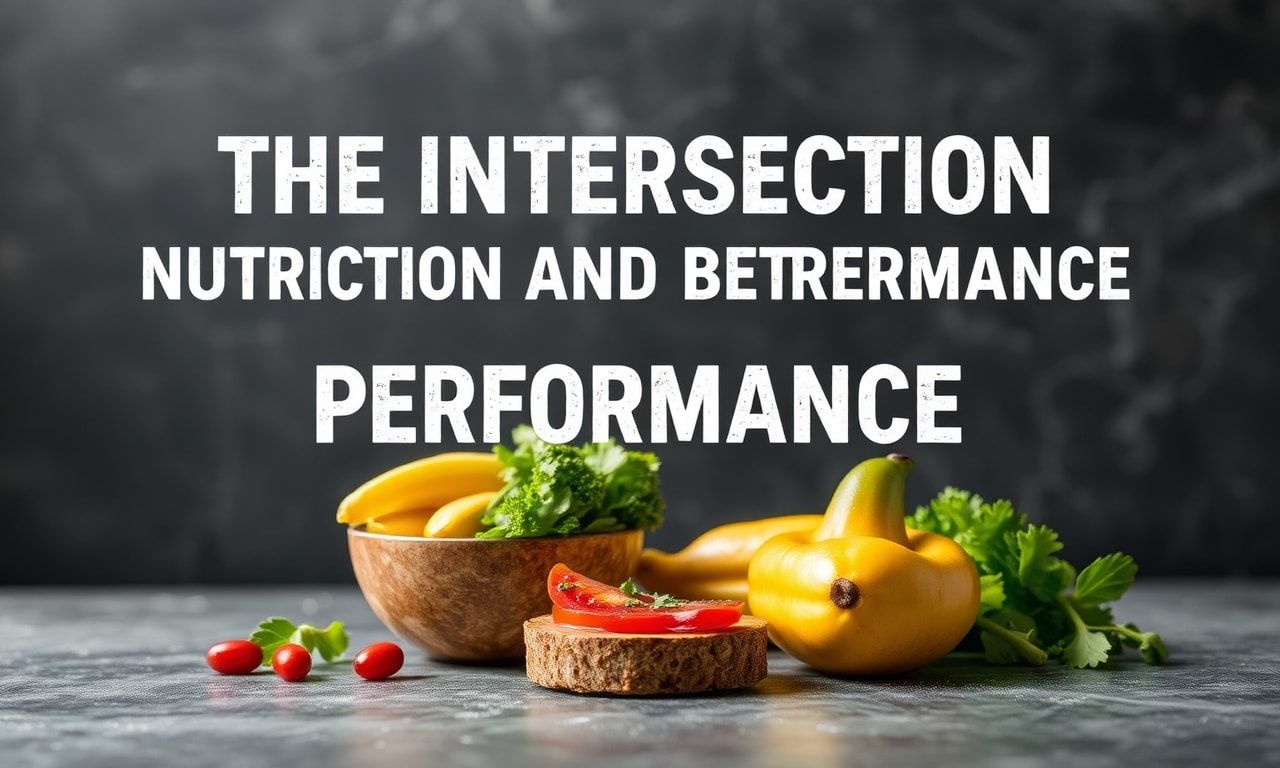
The Importance of Proper Nutrition in Sports
In the world of sports, athletes are constantly pushing their bodies to the limit. Whether you’re a professional athlete or a fitness enthusiast, understanding the role of nutrition in athletic performance is crucial. Proper nutrition can enhance endurance, improve recovery, and even prevent injuries. It’s not just about what you eat, but also when and how much you consume. This article delves into the fascinating intersection of nutrition and sports, providing insights and practical tips to help you fuel your body for optimal performance.
Macronutrients: The Building Blocks of Athletic Performance
Macronutrients are the nutrients that provide the body with energy. They include carbohydrates, proteins, and fats. Each plays a unique role in athletic performance. Carbohydrates are the body’s primary source of energy, especially during high-intensity exercises. Proteins are essential for muscle repair and growth, while fats provide a concentrated source of energy and support various bodily functions. Balancing these macronutrients is key to maintaining energy levels and supporting overall health.
Carbohydrates: The Body’s Fuel
Carbohydrates are stored in the muscles and liver as glycogen, which is then converted into glucose to fuel the body during exercise. Consuming adequate carbohydrates before and after workouts can help maintain energy levels and promote recovery. Complex carbohydrates, such as whole grains, fruits, and vegetables, are particularly beneficial as they provide sustained energy and are rich in essential vitamins and minerals.
Proteins: The Building Blocks of Muscle
Proteins are made up of amino acids, which are the building blocks of muscle tissue. Consuming adequate protein is essential for muscle repair and growth, especially after intense workouts. Lean sources of protein, such as chicken, fish, eggs, and legumes, are excellent choices for athletes. Additionally, incorporating protein into meals and snacks throughout the day can help meet daily protein requirements.
Fats: The Energy Reserve
Fats provide a concentrated source of energy and support various bodily functions, including hormone production and nutrient absorption. Healthy fats, such as those found in avocados, nuts, seeds, and fatty fish, are particularly beneficial. While fats should be consumed in moderation, they play a crucial role in maintaining energy levels and supporting overall health.
Hydration: The Often Overlooked Nutrient
Hydration is a critical aspect of athletic performance that is often overlooked. Water is essential for regulating body temperature, transporting nutrients, and removing waste products. Dehydration can lead to fatigue, decreased performance, and even heat-related illnesses. It’s important to drink water regularly throughout the day and to replenish fluids lost during exercise. Sports drinks can be beneficial during prolonged or intense exercise, as they provide electrolytes and carbohydrates to support hydration and energy levels.
Pre-Workout Hydration
Hydrating before a workout is essential to ensure optimal performance. Drinking water or a sports drink about 30 minutes before exercise can help maintain hydration levels and support energy production. It’s also important to listen to your body and drink when you’re thirsty, as this is a natural indicator of hydration needs.
Post-Workout Hydration
Replenishing fluids after a workout is crucial for recovery. Drinking water or a sports drink after exercise can help replace lost fluids and support muscle recovery. It’s also important to consume adequate fluids throughout the day to maintain hydration levels and support overall health.
The Role of Micronutrients in Athletic Performance
Micronutrients, such as vitamins and minerals, play a crucial role in athletic performance. They support various bodily functions, including energy production, muscle contraction, and immune function. Consuming a varied diet rich in fruits, vegetables, whole grains, and lean proteins can help ensure adequate intake of essential micronutrients.
Iron: The Oxygen Carrier
Iron is essential for the production of hemoglobin, which carries oxygen to the muscles. Adequate iron intake is particularly important for endurance athletes, as it supports oxygen delivery and energy production. Foods rich in iron include red meat, poultry, fish, and leafy green vegetables.
Calcium: The Bone Builder
Calcium is essential for bone health and muscle contraction. Adequate calcium intake is particularly important for athletes, as it supports bone density and reduces the risk of stress fractures. Foods rich in calcium include dairy products, leafy green vegetables, and fortified plant-based milks.
Practical Tips for Fueling Your Body for Success
Incorporating proper nutrition into your athletic routine can be challenging, but with a few practical tips, it’s achievable. Here are some strategies to help you fuel your body for optimal performance:
Plan your meals and snacks ahead of time to ensure you’re consuming a balanced diet.
Stay hydrated by drinking water regularly throughout the day and replenishing fluids lost during exercise.
Consume a balanced diet rich in carbohydrates, proteins, and healthy fats to support energy levels and muscle recovery.
Incorporate a variety of fruits and vegetables into your diet to ensure adequate intake of essential vitamins and minerals.
Consider consulting with a registered dietitian or sports nutritionist to develop a personalized nutrition plan.
For those looking to explore unique and healthy snack options, consider trying jelley maken met vruchtensap. This innovative approach to snacking can provide a delicious and nutritious way to fuel your body before or after a workout.
Conclusion
The intersection of nutrition and athletic performance is a complex and fascinating field. Understanding the role of macronutrients, hydration, and micronutrients in athletic performance can help you fuel your body for success. By incorporating practical tips and strategies into your athletic routine, you can optimize your performance and achieve your goals. Remember, proper nutrition is not just about what you eat, but also when and how much you consume. So, start fueling your body for success today!
Dive into the fascinating journey of football’s evolution with our latest feature, from humble beginnings to today’s spectacle, and discover how the beautiful game has transformed over the years.
Discover how elite athletes optimize their performance with sports nutrition secrets in our latest feature.
Dive into the thrilling world of Parisian athletics with our latest feature, Paris sports scene analysis, where we break down the city’s top teams and must-watch events.