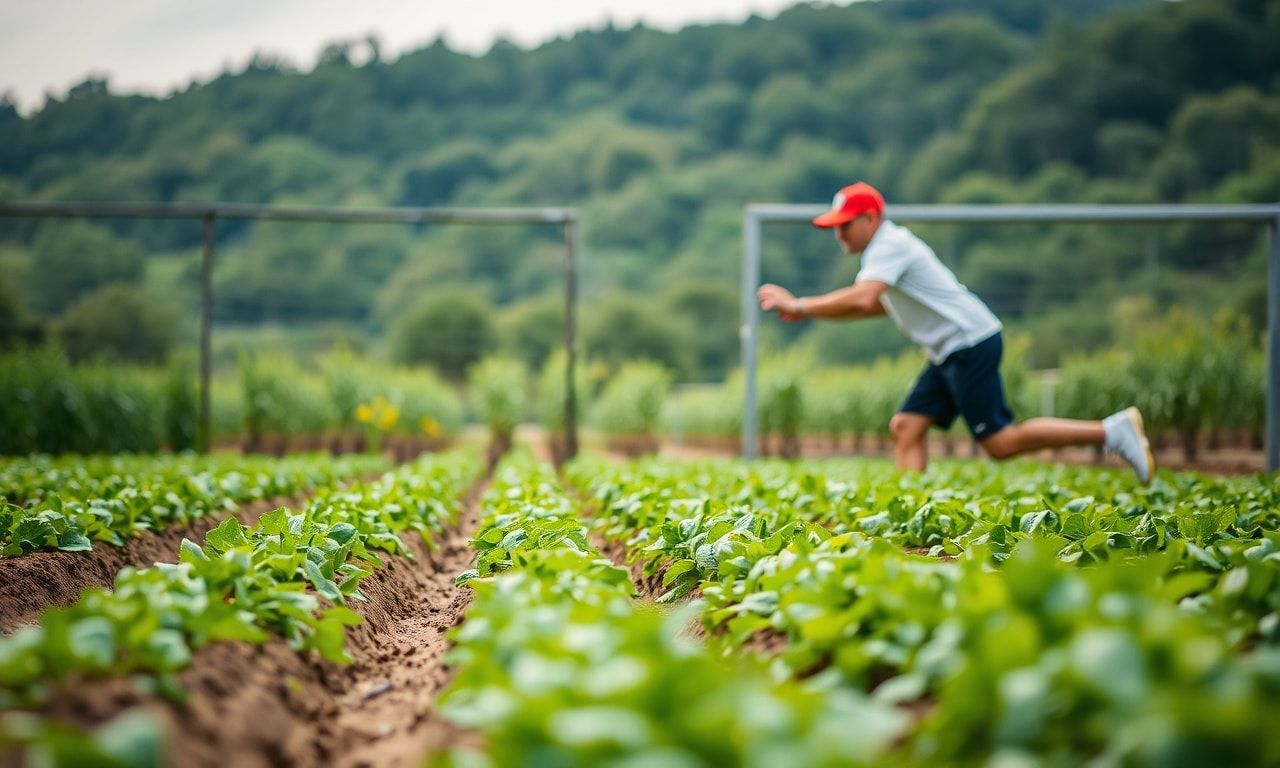
The Unlikely Connection Between Sports and Agriculture
The world of sports is often seen as a realm of physical prowess and competitive spirit, far removed from the tranquil fields of agriculture. However, a closer look reveals surprising connections between the two. Athletes, much like farmers, understand the importance of discipline, resilience, and the environment. This article explores the unexpected parallels and how sustainable practices, such as chia seed farming for soil sodicity management, can inspire and benefit the sports community.
The Role of Nutrition in Athletic Performance
Nutrition is a cornerstone of both agriculture and sports. Athletes require a balanced diet to fuel their bodies and enhance performance. Similarly, farmers must ensure their crops receive the right nutrients to grow and thrive. Chia seeds, for instance, are not only a superfood for athletes but also play a crucial role in improving soil health. By incorporating chia seeds into their diets, athletes can benefit from their high protein and omega-3 content, which aid in muscle recovery and overall health.
Superfoods for Athletes
The modern athlete’s diet often includes a variety of superfoods that provide essential nutrients. Chia seeds, quinoa, kale, and berries are just a few examples. These foods are not only nutrient-dense but also contribute to sustainable farming practices. For instance, chia seeds help in managing soil sodicity, a condition that can degrade soil quality. By promoting the growth of chia seeds, farmers can improve soil health and ensure better crop yields, which in turn supports the production of nutrient-rich foods for athletes.
The Importance of Soil Health in Sports
Soil health is a critical factor in agriculture, but it also has implications for sports. Healthy soil produces better crops, which in turn provide the nutrients athletes need. The practice of chia seed farming for soil sodicity management is a prime example of how sustainable agriculture can benefit both farmers and athletes. By improving soil quality, farmers can grow healthier crops, which are essential for the diets of athletes. This symbiotic relationship highlights the importance of sustainable practices in both fields.
Sustainable Practices in Sports
Sports organizations are increasingly adopting sustainable practices to reduce their environmental impact. From using renewable energy sources to implementing recycling programs, the sports industry is making strides towards sustainability. These efforts not only benefit the environment but also set a positive example for athletes and fans. By promoting sustainable agriculture practices, such as chia seed farming, sports organizations can further contribute to environmental conservation and support the production of nutrient-rich foods for athletes.
The Benefits of Chia Seeds for Athletes
Chia seeds are a powerhouse of nutrients, making them an ideal food for athletes. They are rich in protein, fiber, omega-3 fatty acids, and various vitamins and minerals. These nutrients help athletes maintain energy levels, improve muscle recovery, and enhance overall performance. Additionally, chia seeds are easy to incorporate into a variety of dishes, from smoothies to salads, making them a versatile addition to any athlete’s diet.
Incorporating Chia Seeds into Your Diet
There are numerous ways to incorporate chia seeds into your diet. One popular method is to add them to smoothies or yogurt for a nutrient boost. Chia seeds can also be used as a thickening agent in recipes, such as puddings or jams. Another option is to sprinkle them on top of salads or oatmeal. By experimenting with different recipes, athletes can find creative ways to enjoy the benefits of chia seeds.
Conclusion
The connection between sports and agriculture is deeper than one might think. Sustainable farming practices, such as chia seed farming for soil sodicity management, not only improve soil health but also provide athletes with the nutrients they need to perform at their best. By embracing sustainable practices, the sports community can contribute to environmental conservation and support the production of nutrient-rich foods. As athletes continue to prioritize their health and performance, the importance of sustainable agriculture will only grow, highlighting the need for collaboration between these two seemingly disparate fields.
For a deeper understanding of this topic, The Intersection of Sports and Nature: offers valuable insights worth exploring.