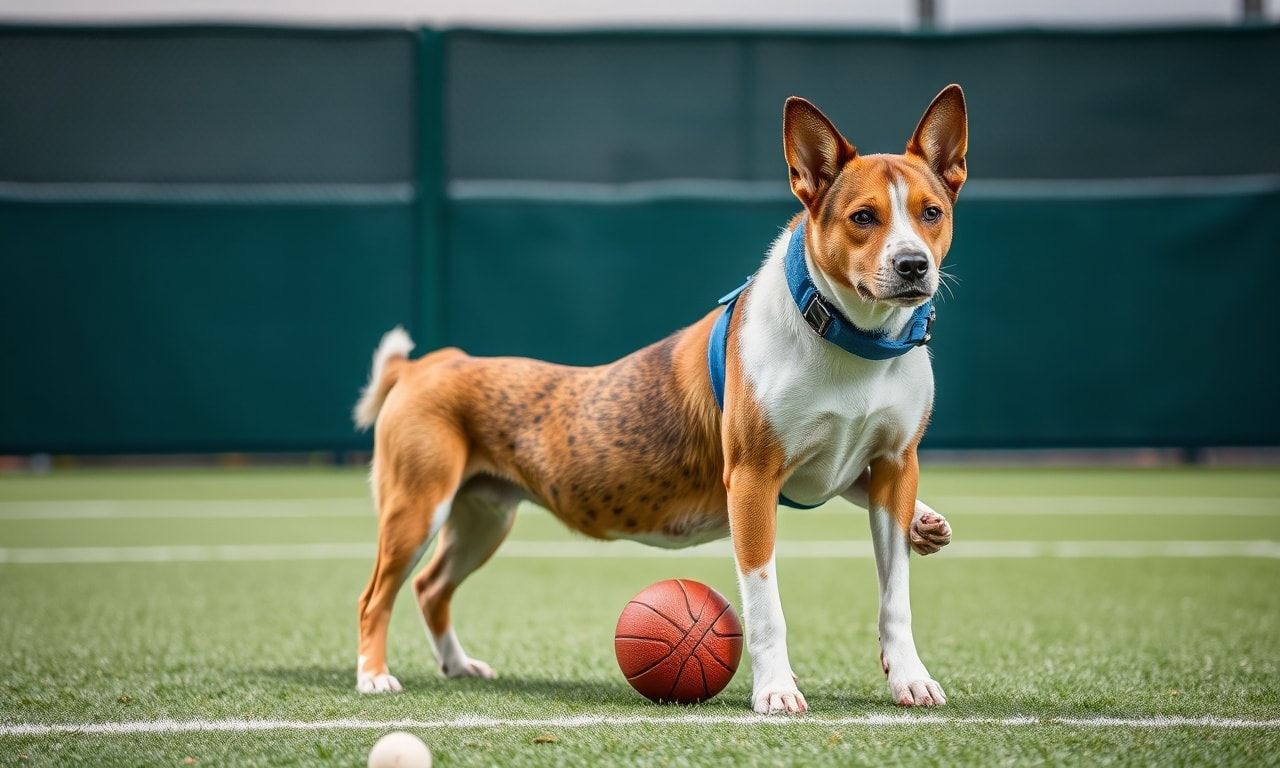
The Unseen Challenges: Athletes and Animal Encounters
In the world of sports, athletes often face a myriad of challenges, from intense training schedules to the pressure of competition. However, one challenge that is often overlooked is the potential for animal encounters. Whether it’s a jogger in the park, a cyclist on a trail, or a team practicing in a local field, athletes can sometimes find themselves in close proximity to animals. Understanding how to handle these situations is crucial for both the athlete’s safety and the well-being of the animal.
Common Animal Encounters in Sports
Runners, cyclists, and outdoor sports enthusiasts often share their environments with a variety of animals. Dogs, in particular, are a common sight in many recreational areas. While most dogs are friendly and well-behaved, there is always a risk of encountering an aggressive or unpredictable animal. According to the dog bite dangerous dog forums, understanding the signs of aggression and knowing how to react can prevent potentially dangerous situations. Other animals, such as snakes, coyotes, and even bears, can also pose threats in certain environments. Athletes should be aware of the local wildlife and take appropriate precautions.
Preventing Negative Interactions
Prevention is key when it comes to avoiding negative interactions with animals. Athletes should always be aware of their surroundings and avoid areas known for aggressive wildlife. Carrying a whistle or other noise-making device can help deter animals and alert others to potential dangers. Additionally, athletes should avoid running or cycling alone in remote areas, especially during dawn or dusk when many animals are most active. Joining a group or having a buddy system can provide an extra layer of safety.
What to Do If an Encounter Occurs
If an athlete encounters an aggressive dog or other animal, it’s important to remain calm and avoid sudden movements. Running away can trigger the animal’s predatory instincts, so it’s often better to stand still and avoid direct eye contact. Speaking calmly and firmly can sometimes deter an aggressive animal. If the animal approaches, athletes should use any available objects, such as a water bottle or a stick, to create a barrier. In the case of a dog bite, immediate medical attention is crucial. Athletes should also report the incident to local authorities to ensure the safety of others.
Protecting Pets During Sports Events
Athletes who own pets should also consider the safety of their animals during sports events. Leaving pets unattended in cars or in hot environments can be dangerous. Athletes should ensure their pets have access to shade, water, and proper ventilation. Additionally, athletes should be aware of the potential for their pets to become stressed or anxious during loud or crowded events. Providing a safe and quiet space for pets can help alleviate stress and ensure their well-being.
Promoting Animal Safety in Sports Communities
Sports communities can play a significant role in promoting animal safety. Organizing educational workshops on animal behavior and safety precautions can help athletes and sports enthusiasts better understand how to coexist with wildlife. Establishing clear guidelines for pet owners attending sports events can also ensure the safety of both animals and spectators. By fostering a culture of respect and awareness, sports communities can create a safer environment for everyone.
In the spirit of overcoming obstacles and pushing limits, we invite you to explore resilience in sports and life, a journey that mirrors the grit and determination we admire in athletics.
Dive into the critical world of athlete rights and legal protections with our latest feature, sports law essentials, a must-read for anyone passionate about the intersection of sports and justice.
To elevate your team’s presence and performance, dive into essential marketing strategies for success and discover how to make a lasting impact in the sports world.