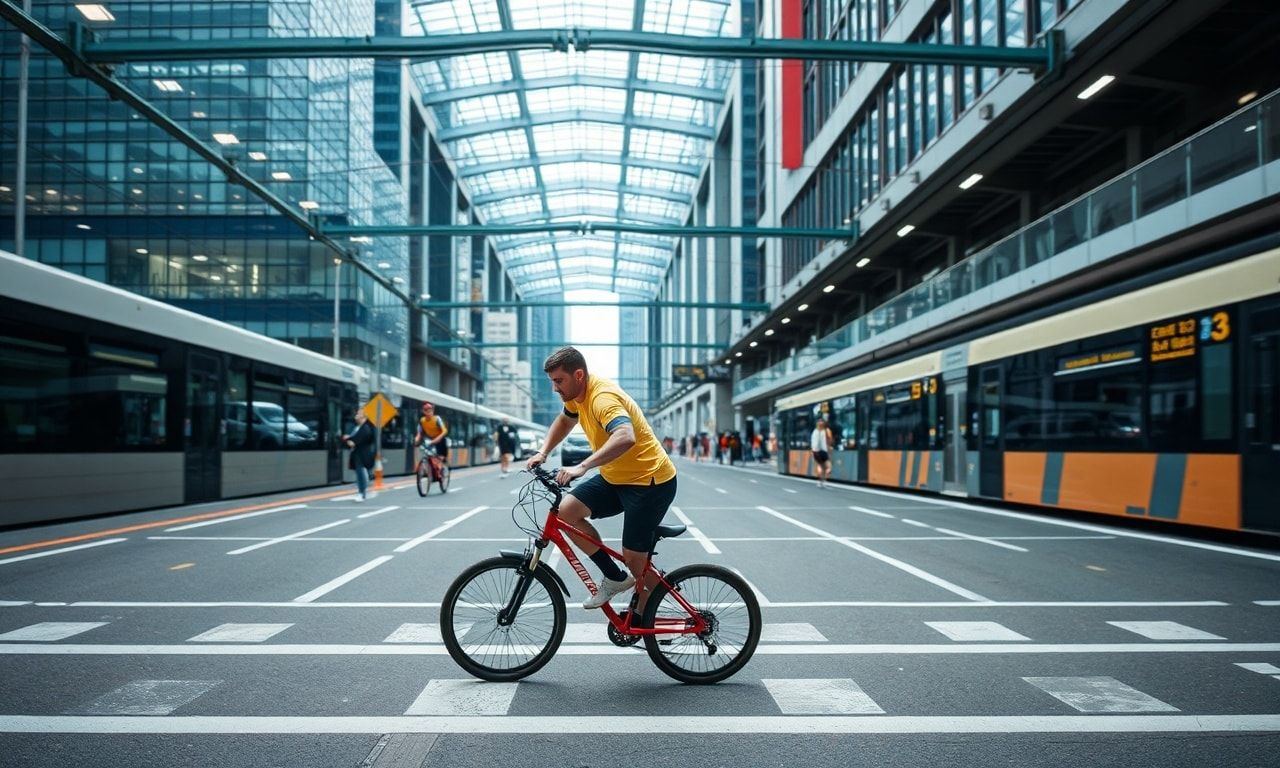
The Evolution of Sports Infrastructure
The world of sports is continually evolving, not just in terms of athletic performance but also in the infrastructure that supports it. From state-of-the-art stadiums to cutting-edge training facilities, the environment in which athletes operate plays a crucial role in their success. One often overlooked aspect of this infrastructure is urban mobility. The ability of athletes to travel efficiently and comfortably to training sessions, competitions, and other events can significantly impact their performance and overall well-being.
The Role of Public Transport in Sports
Public transport is a vital component of urban mobility, especially in densely populated cities. For athletes, reliable and accessible public transport can mean the difference between making it to a crucial training session on time or missing it altogether. Cities like London, New York, and Tokyo have long recognized the importance of integrating sports venues with their public transport networks. This integration not only benefits athletes but also fans who travel to watch their favorite teams play.
In the UK, cities like Sheffield have made significant strides in improving their public transport systems to better serve the needs of athletes and sports enthusiasts. The recent Sheffield transport schedule update is a testament to this commitment. By enhancing the frequency and reliability of public transport services, Sheffield aims to create a more conducive environment for sports activities and events.
Case Study: Sheffield’s Transport Revolution
Sheffield, a city known for its rich sporting history, has been at the forefront of integrating public transport with sports infrastructure. The recent updates to the Sheffield transport schedule have been designed to provide seamless connectivity between key sports venues and residential areas. This initiative has been particularly beneficial for local athletes who rely on public transport to commute to training sessions and competitions.
The impact of these improvements has been evident in the city’s sports scene. Local football clubs, athletics teams, and fitness centers have reported increased participation and attendance, thanks to the enhanced transport links. The Sheffield transport schedule update has not only made it easier for athletes to access training facilities but has also encouraged more people to engage in sports and fitness activities.
The Impact of Urban Mobility on Athletic Performance
Efficient urban mobility can have a direct impact on athletic performance. Athletes who spend less time commuting have more time to focus on their training and recovery. Additionally, reduced travel time can lead to lower stress levels, which is crucial for maintaining peak performance. Cities that invest in improving their public transport systems are essentially investing in the success of their athletes.
Reducing Travel Time and Stress
One of the primary benefits of improved urban mobility is the reduction in travel time. Athletes who can commute quickly and efficiently to their training sessions have more time to rest and recover. This is particularly important for athletes who train multiple times a day or have intense training schedules. Reduced travel time also means less exposure to traffic and other stressors, which can negatively impact an athlete’s mental and physical well-being.
Cities like Sheffield have recognized the importance of reducing travel time for athletes. By enhancing their public transport networks, they have created a more efficient and stress-free commuting experience. This has not only improved the quality of life for athletes but has also contributed to better performance on the field.
Future Trends in Sports and Urban Mobility
The future of sports and urban mobility looks promising, with several cities around the world exploring innovative ways to integrate sports infrastructure with public transport. The use of technology, such as real-time tracking and smart ticketing, is expected to play a significant role in this integration. Additionally, the rise of electric and autonomous vehicles could further enhance the efficiency and sustainability of urban mobility.
As cities continue to invest in improving their public transport systems, the impact on the sports world will be profound. Athletes will have better access to training facilities, fans will find it easier to attend games, and the overall sports experience will be enriched. The future of sports and urban mobility is not just about getting from point A to point B; it’s about creating a seamless and enjoyable journey for everyone involved.
Ever wondered how weather impacts your favorite athletes? Dive into climate’s role in sports performance and gain a new perspective on the games you love.
Discover the power of local sports events in our latest piece, community-driven athletic passion, and see how they ignite your love for the game.
To stay ahead in the competitive world of sports and fitness, understanding the power of digital marketing is crucial; check out essential digital marketing strategies to elevate your game.