The Evolution of Sports Fashion
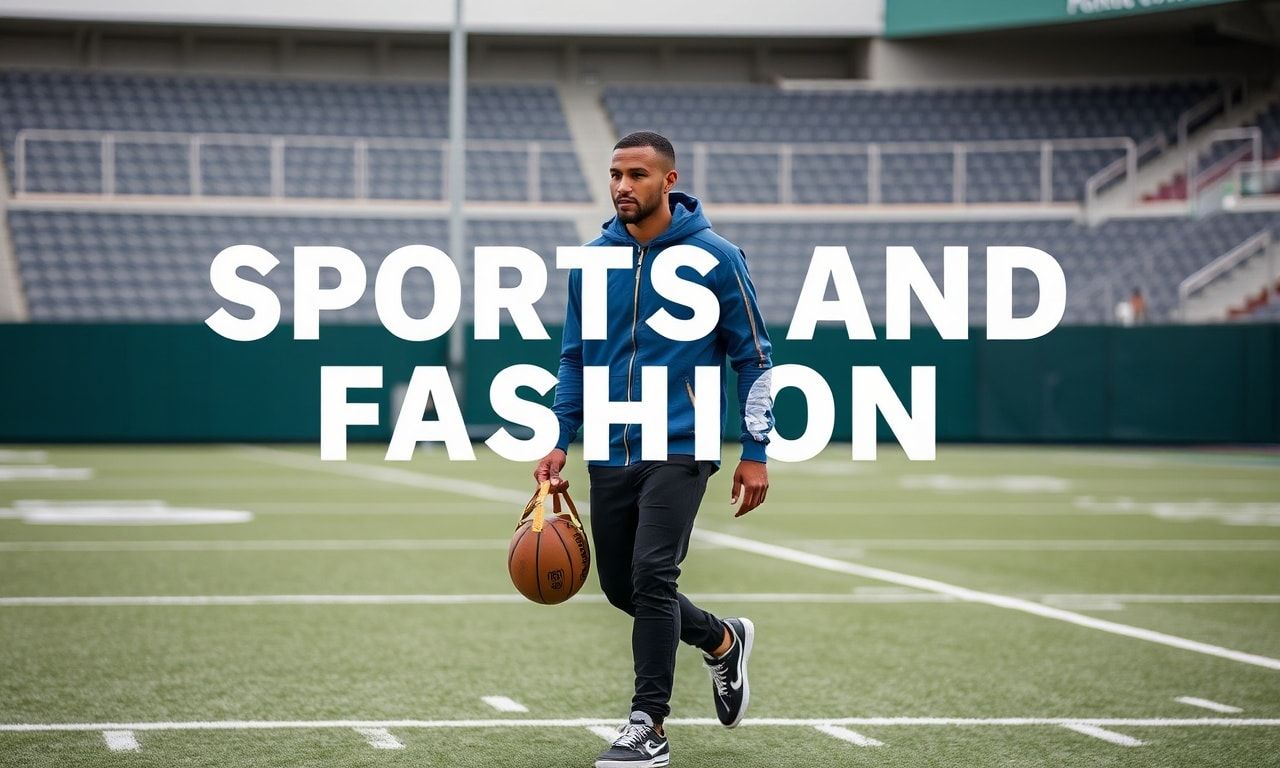
The world of sports has always been a breeding ground for innovation, not just in terms of athletic performance but also in fashion. From the classic tracksuits of the ’80s to the high-tech, performance-driven apparel of today, sportswear has evolved significantly. Athletes are no longer confined to wearing plain, functional clothing; they now have access to a wide range of stylish and comfortable options that can be worn both on and off the field.
The Influence of Athletes on Fashion Trends
Athletes have become style icons in their own right, influencing fashion trends both on and off the field. Their unique blend of comfort, functionality, and style has captured the imagination of fashion enthusiasts worldwide. For instance, the rise of athleisure wear can be attributed to the growing popularity of sportswear among non-athletes. This trend has led to a surge in demand for high-quality, stylish sportswear that can be worn in various settings.
One of the most notable examples of this trend is the collaboration between sports brands and high-end fashion designers. These collaborations have resulted in the creation of unique, limited-edition collections that combine the best of both worlds. Athletes like Serena Williams, LeBron James, and Novak Djokovic have all been involved in such collaborations, showcasing their personal style and influencing fashion trends.
The Role of Social Media
Social media has played a significant role in the rise of sports fashion. Platforms like Instagram and Twitter have given athletes a global stage to showcase their personal style and engage with their fans. This has led to a surge in demand for high-quality, stylish sportswear that can be worn in various settings. Additionally, social media has made it easier for athletes to collaborate with fashion brands and designers, further fueling the growth of sports fashion.
The Importance of Comfort and Functionality
While style is important, comfort and functionality remain the cornerstones of sports fashion. Athletes need clothing that can withstand the rigors of their sport while also providing the necessary support and protection. This is where high-quality, performance-driven sportswear comes in. Brands like Nike, Adidas, and Under Armour have invested heavily in research and development to create innovative, high-performance sportswear that meets the needs of athletes.
For example, Nike’s Flyknit technology has revolutionized the way athletes train and compete. This innovative technology uses a unique knitting process to create a lightweight, breathable, and supportive upper that conforms to the foot. Similarly, Adidas’ Boost technology has transformed the way athletes run, providing them with a responsive, cushioned ride that enhances their performance.
The Rise of Sustainable Sportswear
In recent years, there has been a growing demand for sustainable, eco-friendly sportswear. Athletes and fans alike are becoming more conscious of the environmental impact of their choices and are seeking out brands that prioritize sustainability. This has led to the rise of brands like Patagonia, which uses recycled materials and eco-friendly manufacturing processes to create high-quality, sustainable sportswear.
The Future of Sports Fashion
The future of sports fashion looks bright, with a growing emphasis on innovation, sustainability, and personal style. As athletes continue to push the boundaries of what is possible in their respective sports, they will also continue to influence fashion trends and inspire new generations of athletes and fashion enthusiasts.
One of the most exciting developments in sports fashion is the use of technology to create personalized, custom-fit sportswear. Companies like Vergleich Marken Kleider Genf are at the forefront of this trend, using advanced algorithms and 3D scanning technology to create custom-fit clothing that meets the unique needs of each athlete. This technology has the potential to revolutionize the way athletes train and compete, providing them with the perfect fit and support they need to perform at their best.
The Impact of Virtual Reality
Virtual reality (VR) is another technology that is set to transform the world of sports fashion. VR allows athletes to simulate real-life scenarios and practice their skills in a virtual environment. This technology can also be used to create virtual fashion shows and events, giving athletes a platform to showcase their personal style and engage with their fans. As VR technology continues to evolve, we can expect to see more innovative applications in the world of sports fashion.
Conclusion
The world of sports fashion is constantly evolving, driven by the unique needs and preferences of athletes. From the classic tracksuits of the ’80s to the high-tech, performance-driven apparel of today, sportswear has come a long way. As athletes continue to push the boundaries of what is possible in their respective sports, they will also continue to influence fashion trends and inspire new generations of athletes and fashion enthusiasts. The future of sports fashion looks bright, with a growing emphasis on innovation, sustainability, and personal style.