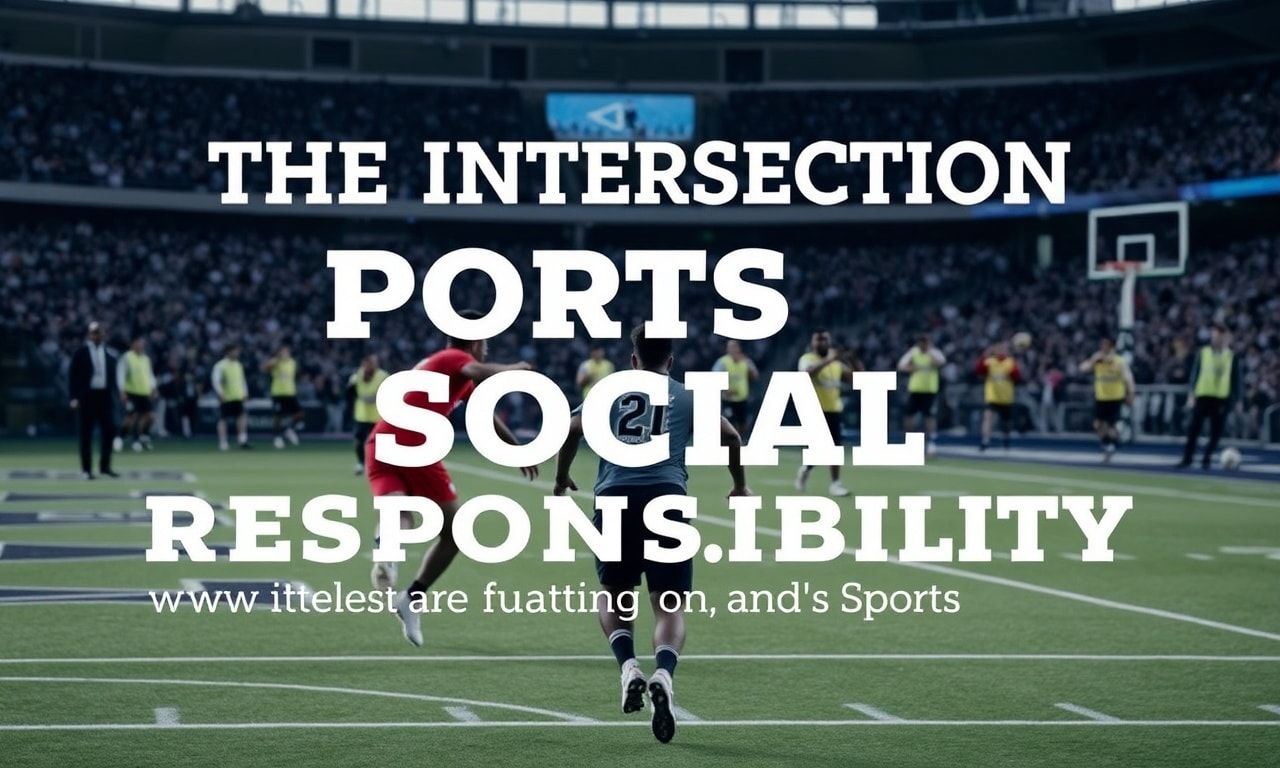
The Power of Sports in Driving Social Change
Sports have always been a powerful platform for uniting people and inspiring change. Beyond the thrill of competition and the pursuit of victory, athletes and teams are increasingly using their influence to address social issues and promote positive change. This article explores how sports figures and organizations are leveraging their platforms to make a significant impact on society.
Athletes as Agents of Change
Professional athletes often have a massive following and can reach millions of people through their social media presence and public appearances. Many athletes are using this influence to advocate for causes they care about, from environmental sustainability to social justice. For example, Colin Kaepernick’s protests during the national anthem sparked a national conversation about racial inequality and police brutality. Similarly, LeBron James has been vocal about education reform and social justice issues, using his platform to raise awareness and funds for various initiatives.
These athletes are not just talking the talk; they are also walking the walk by donating to charities, creating their own foundations, and actively participating in community service. Their actions inspire fans to get involved and contribute to these important causes. The ripple effect of their efforts can be seen in the growing number of people who are becoming more socially conscious and engaged in activism.
The Role of Sports Teams in Corporate Social Responsibility
Sports teams and organizations are also playing a crucial role in promoting social responsibility. Many teams have implemented corporate social responsibility (CSR) programs that focus on environmental sustainability, community engagement, and ethical business practices. For instance, the NBA has launched initiatives to reduce its carbon footprint and promote recycling. The English Premier League (EPL) has also been actively involved in community projects, aiming to improve the lives of people in the communities where they operate.
These efforts are not only beneficial for society but also for the teams themselves. Studies have shown that companies with strong CSR programs tend to have better reputations and higher customer loyalty. In the context of sports, this can translate to increased fan engagement and support. For more insights into how corporations are integrating social responsibility into their operations, you can visit UK corporate social responsibility news.
The Impact of Sports on Youth Development
Sports play a vital role in the development of young people. Participation in sports can help children and adolescents develop important life skills such as teamwork, discipline, and resilience. Moreover, sports can serve as a positive outlet for young people, keeping them away from harmful activities and providing them with a sense of purpose and belonging.
Many sports organizations and athletes are recognizing the importance of youth development and are investing in programs that provide young people with access to sports and mentorship. For example, the NFL’s Play 60 initiative encourages children to be physically active for at least 60 minutes a day. Similarly, the LaLiga Foundation in Spain focuses on using football as a tool for social integration and education.
Challenges and Opportunities
While the intersection of sports and social responsibility presents numerous opportunities, it also comes with its own set of challenges. One of the main challenges is ensuring that the initiatives are sustainable and have a lasting impact. Many well-intentioned programs fail to achieve their goals due to lack of funding, poor planning, or insufficient community involvement.
To overcome these challenges, it is essential to involve all stakeholders in the planning and implementation of CSR initiatives. This includes athletes, team management, fans, and community leaders. By working together, they can create programs that are not only impactful but also sustainable in the long run.
Conclusion
The role of sports in driving social change cannot be overstated. Athletes and teams have the power to inspire and mobilize people towards a common cause. By leveraging their influence and resources, they can make a significant impact on society and contribute to a better future. As fans, we can support these efforts by being more socially conscious and actively participating in the initiatives that our favorite athletes and teams are involved in.
In conclusion, the intersection of sports and social responsibility is a powerful force for good. By continuing to promote and support these initiatives, we can create a more just, equitable, and sustainable world.