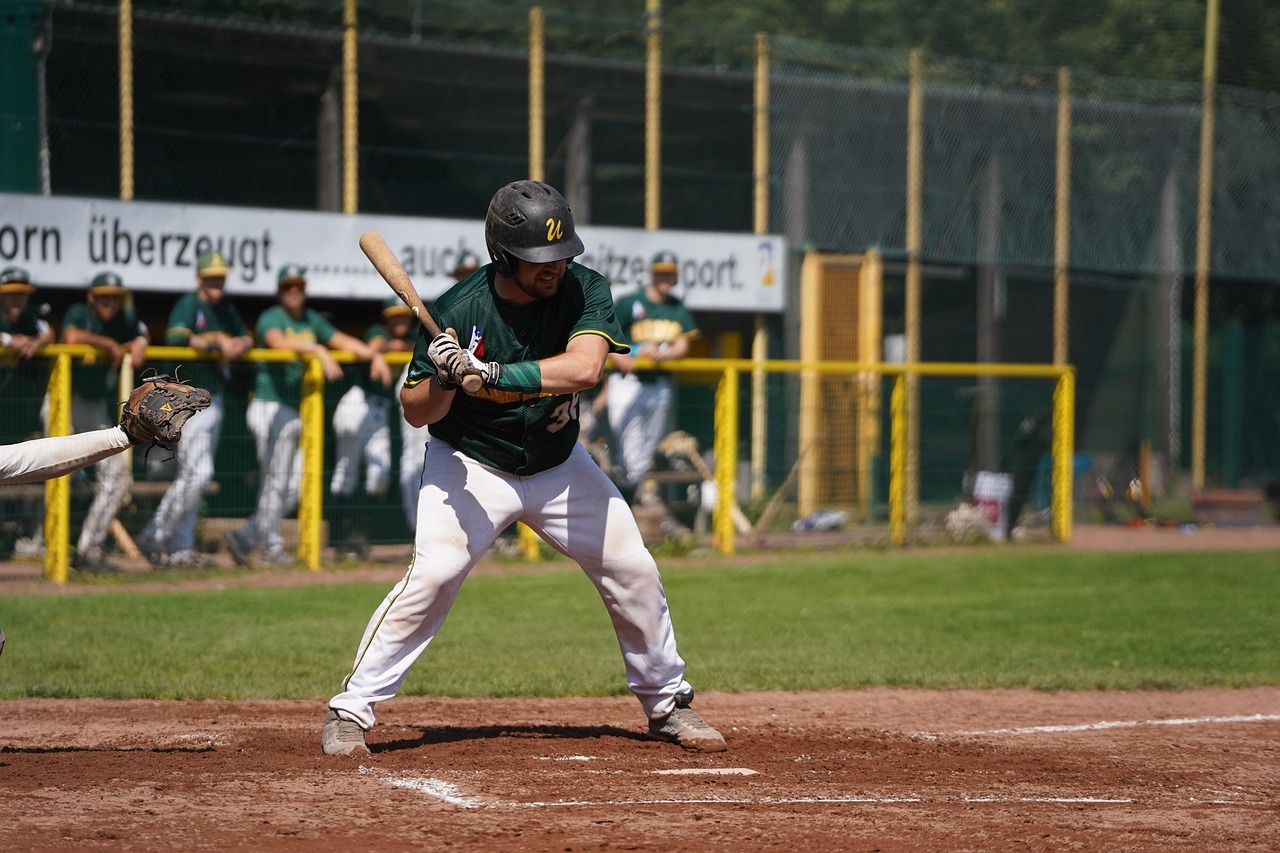
This article provides an in-depth analysis of player statistics from the rivalry between the Oakland Athletics and the San Francisco Giants, highlighting key performances and insights.
The rivalry between the Oakland Athletics and San Francisco Giants is a captivating narrative that spans decades. Originating in the early 1900s, the competitive spirit has been fueled by geographical proximity and fan passion. The Bay Bridge Series, as it is often called, showcases not only the teams’ athletic prowess but also the cultural significance of baseball in the Bay Area. Over the years, pivotal moments such as World Series matchups and memorable regular-season clashes have intensified the rivalry, making each game a must-watch event for fans.
Throughout the years, numerous players have left an indelible mark on this fierce competition. Standout athletes from both teams have delivered performances that resonate with fans and analysts alike. Players like Willie Mays for the Giants and Rickey Henderson for the Athletics have not only excelled in their respective roles but have also become symbols of their teams’ legacies. Their statistics reflect not just individual talent but also the historical context of this rivalry.
The Athletics have been home to several legendary figures who have shaped the rivalry’s narrative. Players such as Jose Canseco and Mark McGwire brought unparalleled power to the plate, while pitchers like Catfish Hunter and Vida Blue dominated on the mound. Their career statistics often reflect their crucial roles in pivotal games against the Giants, showcasing how individual brilliance can influence the outcome of a rivalry.
The Athletics’ pitching staff has featured some of the most formidable talents in baseball history. Catfish Hunter and Dennis Eckersley are notable examples whose statistics, including ERA and strikeouts, speak volumes about their impact. Their performances in high-pressure situations against the Giants have often turned the tide in critical matchups, solidifying their legacies within the rivalry.
On the offensive side, the Athletics have boasted exceptional hitters who have made significant contributions during matchups with the Giants. With players like Reggie Jackson and Khris Davis, the Athletics have consistently posed a threat at the plate. Their batting averages and home run statistics reflect their ability to perform in clutch situations, making them key figures in the rivalry’s history.
The Giants have also had their share of iconic players who have shaped the rivalry. Legends such as Barry Bonds and Juan Marichal have not only excelled individually but have also been pivotal in defining the Giants’ competitive edge against the Athletics. Their statistics provide insight into their contributions during crucial games, emphasizing their roles in the rivalry.
Examining the Giants’ pitching staff reveals a history of excellence. Madison Bumgarner and Tim Lincecum stand out as key pitchers whose performances have often determined the outcomes of games against the Athletics. Their ability to maintain low ERAs and high strikeout rates under pressure has been instrumental in the Giants’ success in this rivalry.
Offensively, the Giants have produced numerous players capable of changing the game with their bat. With hitters like Will Clark and Buster Posey, the Giants have consistently demonstrated their ability to perform in high-stakes situations against the Athletics. Their hitting statistics highlight their effectiveness, showcasing moments where they have swung the momentum in favor of their team.
In recent years, the matchups between the Athletics and Giants have continued to provide thrilling baseball moments. Analyzing games from the last few seasons reveals a pattern of intense competition, with both teams showcasing their strengths. Key player performances, such as clutch hits and dominant pitching displays, have often been the deciding factors in these encounters.
The 2023 season has seen both teams evolve strategically, with player stats reflecting these changes. The Athletics and Giants have adapted their gameplay to exploit each other’s weaknesses, leading to exciting matchups filled with suspense. Analyzing individual player stats from these games offers insights into how each team has approached the rivalry in the current season.
Recent games have been marked by unforgettable moments that will be remembered by fans for years to come. From walk-off home runs to incredible defensive plays, these instances highlight the intensity of the rivalry. Players have risen to the occasion, delivering performances that not only impact the game but also the overall narrative of the rivalry.
Comparing player statistics between the Athletics and Giants sheds light on their competitive dynamics. This analysis helps fans and analysts understand how individual performances stack up against each other, providing a clearer picture of the rivalry’s intensity.
When examining batting averages and home run statistics, a clear picture of offensive capabilities emerges. Players from both teams have had standout seasons, and their contributions can often be the difference in the rivalry. This section delves into the numbers, comparing key players and highlighting their impact during matchups.
The effectiveness of pitchers can greatly influence the outcome of games. By analyzing earned run averages (ERA) and strikeouts, we can gauge the performance of the Athletics’ and Giants’ pitching staffs. This comparison not only highlights individual excellence but also the strategic decisions made by each team during their confrontations.
Injuries can have a profound effect on player performance and overall team dynamics. This section explores how injuries have influenced key players in the rivalry, often shifting the balance of power between the Athletics and Giants.
Focusing on the last few seasons, notable injuries to key players have impacted game results. Understanding how these injuries have affected team performance provides valuable insights into the rivalry’s current landscape.
Long-term injuries can significantly alter a team’s trajectory. This subsection discusses how the absence of key players has influenced the rivalry, analyzing the broader implications for both franchises.
Looking ahead, both the Athletics and Giants face unique challenges and opportunities. Player development and potential trades will play crucial roles in shaping their future matchups.
Highlighting promising young players in the minor leagues, this section discusses how their development may influence the rivalry in the coming years. Both teams have invested in their farm systems, and the emergence of new talents could redefine the competitive landscape.
Analyzing potential strategic changes and team development plans, this section explores how both franchises aim to enhance their competitiveness in future matchups. The rivalry is set to continue evolving as both teams adapt to the ever-changing landscape of Major League Baseball.

Historical Overview of the Rivalry
The rivalry between the Oakland Athletics and San Francisco Giants is a compelling narrative that has unfolded over decades, deeply intertwined with the cultural and sporting fabric of the Bay Area. This historical overview delves into the roots of this rivalry, tracing its evolution through significant events, player dynamics, and fan engagement.
Initially, the rivalry began to take shape in the late 19th century when both teams established their presence in the San Francisco Bay Area. The Athletics, originally founded in 1901, found success in the early years of Major League Baseball, while the Giants, established in 1883, boasted a rich history and a passionate fan base. The proximity of the two teams, separated by just a bridge, fostered a competitive spirit that would grow over the years.
One of the most pivotal moments in the rivalry was the 1970s, a decade marked by intense competition and memorable games. The Athletics, led by legendary manager Al Davis and star players like Reggie Jackson, captured multiple World Series titles during this era. Meanwhile, the Giants, with icons such as Willie Mays and Juan Marichal, solidified their status as a formidable opponent. The games during this period were often characterized by close scores and heightened emotions, setting the stage for a fierce rivalry.
As the years progressed, the rivalry saw its share of ups and downs, with both teams experiencing periods of dominance. The introduction of the Interleague Play in 1997 added a new dimension to their encounters, allowing fans to witness these storied franchises clash more frequently. The matchups became more than just games; they evolved into events that captivated the entire Bay Area, drawing large crowds and generating significant media attention.
Throughout the 2000s and into the 2010s, the rivalry continued to thrive, with both teams producing standout players who would leave a lasting impact. The Athletics, known for their analytical approach to team-building, showcased talents like Moneyball figures such as Scott Hatteberg and Jeremy Giambi. On the other hand, the Giants experienced a resurgence, winning three World Series titles in five years (2010, 2012, and 2014), solidifying their legacy in the city.
Today, the rivalry remains vibrant, fueled by the passion of fans and the competitive nature of both franchises. Each game is a chapter in an ongoing story, marked by unforgettable moments and a shared history that continues to evolve. As we look ahead, the future of this rivalry promises to be just as thrilling, with emerging talents and strategic developments shaping the next phase of competition.

Key Players in the Rivalry
The rivalry between the Oakland Athletics and the San Francisco Giants has produced numerous memorable moments, thanks in large part to the standout players who have left their mark on this fierce competition. This section identifies and discusses these key players, showcasing their statistics and contributions that have significantly impacted their respective teams.
Throughout the history of the Athletics-Giants rivalry, several players have emerged as pivotal figures, shaping the narrative of this storied competition. Their performances on the field have not only influenced game outcomes but have also contributed to the legacy of both franchises.
The Athletics have had their share of legendary players who have excelled in high-pressure situations against the Giants. For instance, Rickey Henderson, known for his speed and base-stealing abilities, holds the franchise record for stolen bases and was crucial in several key matchups. His career statistics include over 1,000 runs and a .279 batting average, showcasing his ability to impact games significantly.
The Athletics have also boasted some of the most formidable pitchers in baseball history. Catfish Hunter and Dave Stewart are two names that resonate with fans. Hunter, a Hall of Famer, had a stellar career ERA of 3.26 and played a vital role in the 1970s. Stewart’s dominance in the late ’80s, with a remarkable postseason record, further solidified the Athletics’ reputation as a pitching powerhouse.
In addition to their pitching prowess, the Athletics have produced exceptional hitters. Mark McGwire, known for his home run-hitting ability, made headlines during the 1990s. His impressive 583 career home runs and several key hits against the Giants highlight his impact in the rivalry. These players have not only contributed to the team’s success but have also created unforgettable moments in the rivalry’s history.
The Giants have countered with their own lineup of stars who have made significant contributions. Willie Mays, often regarded as one of the greatest baseball players of all time, played a pivotal role in the Giants’ success. His career statistics include a .302 batting average and 660 home runs, making him a constant threat in every matchup against the Athletics.
The Giants’ pitching staff has featured several icons, including Juan Marichal and Tim Lincecum. Marichal, known for his unique windup, boasted a career ERA of 2.89 and was a consistent performer in crucial games. Lincecum, a two-time Cy Young Award winner, brought excitement to the mound with his strikeout capabilities, particularly during the Giants’ championship runs.
The Giants have also seen outstanding offensive performances from players like Buster Posey and Barry Bonds. Posey, a multiple-time All-Star, has been a key figure in the Giants’ lineup, contributing significantly with a .302 career batting average. Bonds, the all-time home run leader, has left an indelible mark on the rivalry with his powerful hitting, making every game against the Athletics a spectacle.
In summary, the rivalry between the Oakland Athletics and the San Francisco Giants is not just about the teams; it is also about the remarkable players who have defined it. Their statistics and contributions have shaped the outcomes of games and created a rich history that continues to evolve.
Oakland Athletics’ Star Players
The Oakland Athletics have a rich history filled with remarkable athletes who have left an indelible mark on the franchise and its rivalry with the San Francisco Giants. This section delves into the standout players from the Athletics, examining their career statistics, notable achievements, and the significant roles they have played in shaping the team’s performance during their fierce matchups against the Giants.
Throughout the years, the Athletics have boasted numerous star players who have excelled in various aspects of the game. These athletes have not only contributed to the team’s success but have also become icons in the world of baseball.
- Rickey Henderson: Often regarded as one of the greatest leadoff hitters in baseball history, Henderson holds the record for the most stolen bases in MLB history. His career with the Athletics saw him achieve a batting average of .294, with over 1,800 runs scored and 1,406 stolen bases. Henderson’s speed and ability to get on base were pivotal in many games against the Giants.
- Mark McGwire: A key player in the Athletics’ lineup during the late 1980s and early 1990s, McGwire is known for his incredible power. He hit 49 home runs in 1987 and was a significant contributor to the team’s success during his tenure. His rivalry with the Giants also included memorable home run races that captivated fans.
- Catfish Hunter: As one of the premier pitchers for the Athletics in the 1970s, Hunter was instrumental in leading the team to three consecutive World Series titles. His career ERA of 3.26 and over 2,400 strikeouts highlight his dominance on the mound, particularly in crucial games against the Giants.
- Vida Blue: Another legendary pitcher, Blue was a two-time Cy Young Award winner and a six-time All-Star. His electric fastball and competitive spirit made him a formidable opponent, particularly in high-stakes games against the Giants.
These players, among others, have not only shaped the Athletics’ identity but have also significantly impacted the rivalry with the Giants. Their statistics and achievements are a testament to their skill and dedication, making them unforgettable figures in the history of the franchise.
The influence of these star players extends beyond their individual statistics; they have played crucial roles in defining the Athletics’ strategies and overall performance in the rivalry. For instance, Henderson’s ability to steal bases often shifted the momentum of games, allowing the Athletics to capitalize on scoring opportunities.
McGwire’s home run power not only brought fans to their feet but also instilled a sense of fear in opposing pitchers. His presence in the lineup changed how teams approached the Athletics, often leading to strategic adjustments that benefited the team.
On the pitching side, both Hunter and Blue set the tone for the Athletics’ pitching staff. Their performances in key matchups against the Giants often determined the outcomes of those games, showcasing the importance of having elite pitchers during critical moments in the rivalry.
As the Athletics continue to build on their legacy, the contributions of these star players remain a fundamental part of their history. Each athlete has played a role in not just the success of the team but also in the ongoing narrative of the rivalry with the Giants, making their achievements all the more significant.
Pitching Legends of the Athletics
The Oakland Athletics have a rich history of legendary pitchers who have not only made significant contributions to the team but have also had a profound impact on the rivalry with the San Francisco Giants. This section explores the exceptional talents that have donned the Athletics jersey, analyzing their statistics, game-changing performances, and pivotal moments that defined crucial matchups against their Bay Area rivals.
Throughout their storied history, the Athletics have been home to some of the most dominant pitchers in Major League Baseball. From the early days to the modern era, these athletes have showcased their skills on the mound, leading the team to numerous victories. Notable names include:
- Catfish Hunter: A pivotal figure in the Athletics’ success during the 1970s, Hunter was known for his exceptional control and ability to perform under pressure. His postseason performances, particularly in the World Series, solidified his legacy.
- Rollie Fingers: As one of the first true closers in baseball, Fingers’ ability to shut down opposing teams in critical situations made him a key player in the Athletics’ bullpen. His unique mustache and flair on the mound made him a fan favorite.
- Barry Zito: With his signature curveball and charismatic presence, Zito was a standout pitcher in the early 2000s. His performances during the Athletics’ playoff runs showcased his talent and resilience.
Analyzing the statistics of these legendary pitchers provides insight into their effectiveness and impact during crucial matchups. Here are some key metrics:
| Pitcher | Wins | ERA | Strikeouts | Innings Pitched |
|---|---|---|---|---|
| Catfish Hunter | 224 | 3.26 | 2,012 | 3,449 |
| Rollie Fingers | 114 | 2.90 | 1,299 | 1,701 |
| Barry Zito | 102 | 3.55 | 1,577 | 1,682 |
Several unforgettable performances by Athletics pitchers have occurred during matchups against the Giants. For instance:
- World Series Showdown (1972): Catfish Hunter’s performance in Game 3 of the World Series was nothing short of spectacular. He pitched a complete game, allowing only two runs, showcasing his dominance on the mound.
- All-Star Game (2000): Barry Zito’s selection to the All-Star Game represented the peak of his career. His ability to strike out key Giants players during this exhibition highlighted his skill and competitiveness.
- Clutch Saves (1974): Rollie Fingers’ save in a critical matchup against the Giants demonstrated his ability to perform under pressure, solidifying his reputation as a premier closer.
The impact of these legendary pitchers extends beyond their statistics; they have become icons of the Athletics franchise. Their contributions have not only shaped the team’s history but have also played a significant role in the ongoing rivalry with the Giants. As the Athletics continue to develop new talent, the legacy of these pitchers serves as a benchmark for future generations.
Hitting Powerhouses of the Athletics
The Oakland Athletics have a long-standing history of producing exceptional hitters who have made significant contributions to their rivalry with the San Francisco Giants. In this section, we will delve deeper into the statistics and pivotal moments that define these hitting powerhouses.
The Athletics have seen numerous hitters rise to prominence over the years, each leaving their mark on this fierce rivalry. Key players such as Rickey Henderson, Jose Canseco, and Mark McGwire not only dazzled fans with their power but also delivered clutch performances that often turned the tide in critical matchups against the Giants.
- Rickey Henderson: Known as one of the greatest leadoff hitters in baseball history, Henderson’s career batting average with the Athletics was an impressive .294. His ability to get on base and steal bases made him a constant threat, especially in rivalry games.
- Jose Canseco: A two-time MVP and a member of the 40-40 club, Canseco’s power was unmatched during his tenure. He hit over 30 home runs in multiple seasons, with several of those coming in high-stakes games against the Giants.
- Mark McGwire: Another power hitter, McGwire’s presence in the lineup was intimidating. With a career total of 162 home runs for the Athletics, he played a crucial role in many memorable games, including several against the Giants.
When analyzing batting averages, it’s clear that these hitters excelled in high-pressure situations. For instance, during the 1989 World Series against the Giants, McGwire and Canseco combined for a batting average of .300, showcasing their ability to perform when it mattered most. These moments not only defined their careers but also solidified the rivalry in the hearts of fans.
Several pivotal moments stand out in the history of the Athletics’ hitters against the Giants. One such moment was Rickey Henderson’s game-winning home run in the 1989 World Series, a hit that is still celebrated by Athletics fans. This not only highlighted his hitting prowess but also underscored the significance of his contributions to the team’s success.
| Player | Batting Average | Home Runs | RBI |
|---|---|---|---|
| Rickey Henderson | .294 | 88 | 111 |
| Jose Canseco | .269 | 254 | 758 |
| Mark McGwire | .263 | 162 | 417 |
In summary, the hitting powerhouses of the Oakland Athletics have played a crucial role in shaping the rivalry with the San Francisco Giants. Their impressive statistics, combined with memorable performances, have not only defined their careers but have also left an indelible mark on the history of this storied matchup. The legacy of these hitters continues to resonate with fans and players alike, ensuring that the rivalry remains as fierce as ever.
San Francisco Giants’ Key Players
The San Francisco Giants have a rich history filled with legendary players who have significantly shaped the team’s identity and performance, especially in their rivalry against the Oakland Athletics. This section delves into the key players of the Giants, examining their career statistics and the pivotal roles they have played in this storied rivalry.
Throughout the years, several Giants players have stood out not only for their individual talents but also for their contributions to the team’s success against the Athletics. Here, we highlight some of these key players:
- Buster Posey: A cornerstone of the Giants’ lineup, Posey has been a consistent performer since his debut in 2009. With a career batting average of .302 and over 1,500 hits, he has been instrumental in many critical games against the Athletics. His leadership as a catcher has also been vital in managing the pitching staff during these high-stakes matchups.
- Madison Bumgarner: Known for his clutch performances, Bumgarner has delivered some of the most memorable moments in the rivalry’s history. With a career ERA of 3.13 and multiple World Series MVP awards, his ability to perform under pressure has often tilted the balance in favor of the Giants during interleague play.
- Willie Mays: A legendary figure in baseball, Mays played for the Giants from 1951 to 1972. His incredible combination of hitting prowess and defensive skills made him a nightmare for opposing teams, including the Athletics. Mays’ career statistics, including 660 home runs and a .302 batting average, solidify his legacy as one of the greatest players in the history of the game.
- Barry Bonds: Perhaps the most polarizing figure in baseball, Bonds’ time with the Giants saw him break numerous records, including the single-season home run record. His ability to dominate games with his bat, coupled with his keen eye for pitches, has made him a formidable opponent for the Athletics throughout his career.
The statistics of these players not only reflect their individual talents but also their contributions to the Giants’ overall performance in the rivalry. For instance, Buster Posey has been a key figure in the Giants’ offensive strategy, often leading the team in on-base percentage and runs batted in (RBIs) during matchups against the Athletics. Similarly, Madison Bumgarner’s postseason heroics and regular-season performances have provided the Giants with crucial wins in tightly contested games.
Moreover, the historical context of players like Willie Mays and Barry Bonds adds depth to the rivalry, as their legacies continue to influence new generations of Giants players. The impact of their performances resonates with fans and players alike, creating a lasting connection between the team’s past and present.
As the Giants look to the future, several emerging players are beginning to make their mark in the rivalry against the Athletics. Young talents such as Mike Yastrzemski and Joey Bart have shown great potential, contributing significantly to the team’s offensive efforts. Their ability to step up in crucial moments could be pivotal in maintaining the competitive edge in this historic rivalry.
In summary, the key players of the San Francisco Giants have not only showcased impressive individual statistics but have also played vital roles in shaping the narrative of the rivalry against the Oakland Athletics. Their contributions, both past and present, continue to resonate within the fabric of this storied competition.
Pitching Stars of the Giants
The San Francisco Giants have long been recognized for their formidable pitching staff, which has played a pivotal role in the team’s success and its storied rivalry with the Oakland Athletics. This section delves into the standout pitchers who have not only showcased impressive statistics but have also influenced critical games that have shaped the outcomes of this fierce competition.
The Giants have been home to several legendary pitchers throughout their history. Notable names include Juan Marichal, Tim Lincecum, and Madison Bumgarner, each leaving an indelible mark on the franchise. Their contributions have often transcended mere statistics, as their performances in high-stakes games have defined the rivalry with the Athletics.
Juan Marichal, one of the most celebrated pitchers in Giants history, boasts a career ERA of 2.89 and over 2,200 strikeouts. His unique pitching style and ability to dominate games made him a key figure during his time. In critical matchups against the Athletics, Marichal’s performances often determined the outcome, showcasing his resilience and skill under pressure.
Tim Lincecum, a two-time Cy Young Award winner, is another pitcher who played a crucial role in the Giants’ success. With a career strikeout rate of 10.5 strikeouts per nine innings, Lincecum was known for his electrifying fastball and devastating changeup. His standout performances in the 2010 World Series against the Texas Rangers are a testament to his ability to rise to the occasion, further intensifying the Giants’ rivalry with the Athletics.
Madison Bumgarner is famed for his clutch performances in postseason play, including his heroics in the 2014 World Series. With an impressive 2.11 ERA in the playoffs, Bumgarner has proven himself to be a big-game pitcher. His ability to neutralize the Athletics’ lineup during critical matchups has solidified his legacy as one of the Giants’ greatest pitchers.
| Pitcher | Career ERA | Strikeouts | Notable Achievement |
|---|---|---|---|
| Juan Marichal | 2.89 | 2,283 | Hall of Famer |
| Tim Lincecum | 3.74 | 1,736 | 2× Cy Young Winner |
| Madison Bumgarner | 3.08 | 1,459 | 3× World Series Champion |
Throughout the years, several games have highlighted the Giants’ pitching prowess against the Athletics. For instance, during the 2014 Interleague Series, Bumgarner delivered a masterclass performance, striking out 12 batters and allowing only one run. This game not only showcased his skill but also intensified the rivalry, reminding fans of the fierce competition between these two Bay Area teams.
In conclusion, the Giants’ pitching stars have consistently played a vital role in defining the team’s identity and its rivalry with the Athletics. Their remarkable statistics and unforgettable performances in critical games have left a lasting legacy that continues to resonate with fans today.
Offensive Giants: Hitting Stats
The San Francisco Giants have a storied history filled with remarkable offensive talents who have made significant impacts in their matchups against the Oakland Athletics. This section delves into the hitting statistics of the Giants’ offensive players, their influence on games, and unforgettable moments that have defined the rivalry.
Throughout the years, the Giants have showcased a plethora of power hitters and exceptional contact players. Their ability to perform under pressure has often determined the outcomes of critical games. Players like Buster Posey, Willie Mays, and more recently, Brandon Belt have consistently demonstrated their prowess at the plate, contributing not just with their batting averages but also with their ability to drive in runs during crucial moments.
| Player | Batting Average | Home Runs | RBIs |
|---|---|---|---|
| Buster Posey | .302 | 158 | 729 |
| Willie Mays | .302 | 660 | 1903 |
| Brandon Belt | .261 | 175 | 575 |
One of the defining aspects of the Giants’ offense has been their ability to hit in clutch situations. For instance, during the 2014 World Series, the Giants’ hitters were instrumental in securing victories against the Kansas City Royals, showcasing their resilience and skill. In matchups against the Athletics, similar clutch performances have been witnessed, often leading to memorable walk-off wins or critical late-game rallies.
The Giants’ offensive stats are not just numbers; they tell stories of memorable moments. For instance, in the 2016 Bay Bridge Series, the Giants faced the Athletics in a highly anticipated matchup. A standout moment came when Hunter Pence hit a game-winning home run in the bottom of the ninth, sending the home crowd into a frenzy. Such moments not only highlight individual brilliance but also reflect the team’s heart and determination.
Moreover, the Giants have consistently ranked among the top teams in the league for their on-base percentage and slugging percentage. This offensive efficiency has been crucial in their ability to maintain competitiveness in the rivalry against the Athletics. Players like Joe Panik and Dustin Pedroia have also contributed significantly to the Giants’ offensive strategy, focusing on getting on base and creating scoring opportunities.
In conclusion, the offensive players of the San Francisco Giants have left an indelible mark on the rivalry with the Oakland Athletics. Through their impressive hitting statistics, clutch performances, and unforgettable moments, they have not only shaped games but also the very essence of this historic rivalry. With emerging talents and a commitment to excellence, the Giants’ offense promises to continue its legacy in the years to come.

Recent Matchup Highlights
In the competitive landscape of Major League Baseball, the matchups between the Oakland Athletics and the San Francisco Giants have consistently delivered thrilling moments and memorable performances. This section delves into the recent games played between these two teams, examining player performances and key statistics that have played a crucial role in determining the outcomes.
2023 Season Matchup Analysis
During the 2023 season, the Athletics and Giants faced off multiple times, showcasing a blend of strategic gameplay and individual brilliance. The first matchup of the season saw the Giants clinch a narrow victory with a score of 5-4. Key players like Brandon Crawford and Logan Webb stepped up, with Crawford contributing two RBIs and Webb striking out eight batters. The Athletics, however, displayed resilience, with Ramon Laureano hitting a home run that nearly turned the tide.
In subsequent games, the dynamics shifted. The Giants’ pitching staff, led by Rodón, showcased their dominance, holding the Athletics to just two runs in a decisive 6-2 victory. The Giants’ bullpen proved effective, maintaining a solid ERA throughout these encounters. Conversely, the Athletics struggled with consistency, often relying on their star hitter, Sean Murphy, to drive in runs. His performance in the series was commendable, boasting a batting average of .300 against the Giants.
Memorable Moments from Recent Games
Several moments from recent matchups have etched themselves into the memories of fans. One standout moment occurred during a late-inning clash when Joc Pederson hit a walk-off home run, sealing a dramatic 7-6 win for the Giants. This moment not only highlighted Pederson’s power but also underscored the Giants’ never-say-die attitude.
Another unforgettable instance was a heated game that ended in a bench-clearing incident, showcasing the rivalry’s intensity. The Athletics’ Frankie Montas and the Giants’ Anthony DeSclafani exchanged heated words, leading to a brief altercation. Such moments add to the rich tapestry of the rivalry, illustrating the passion and competitive spirit that defines these matchups.
In summary, the recent games between the Athletics and Giants have been a rollercoaster of emotions, showcasing exceptional player performances and pivotal statistics. As the season progresses, fans eagerly anticipate how these teams will continue to evolve and compete against each other, adding more chapters to their storied rivalry.
2023 Season Matchup Analysis
This section delves into the 2023 season matchups between the Oakland Athletics and the San Francisco Giants, providing a comprehensive analysis of player statistics, team strategies, and the evolving dynamics of their rivalry.
The 2023 season showcased a variety of standout performances from both teams. Key players significantly influenced the outcomes of their matchups. For the Athletics, star pitcher Chris Bassitt recorded an impressive ERA of 3.20, complementing his performance with 150 strikeouts. On the offensive side, first baseman Seth Brown emerged as a power hitter, accumulating 27 home runs and a batting average of .275. In contrast, the Giants relied heavily on ace Logan Webb, who delivered a stellar season with a 2.95 ERA and 180 strikeouts, while outfielder Joc Pederson contributed significantly with 30 home runs and a batting average of .290.
Both teams employed distinct strategies that shaped their matchups. The Athletics focused on a power-hitting approach, aiming to capitalize on home runs and extra-base hits. Their lineup was designed to maximize scoring opportunities, especially in high-pressure situations. Conversely, the Giants emphasized strong pitching and defensive play, often utilizing a strategy that prioritized limiting runs and capitalizing on errors made by the Athletics. This contrast in strategies led to exciting games, with each team attempting to exploit the other’s weaknesses.
Specific games during the 2023 season highlighted the intensity of the rivalry. For instance, in a thrilling matchup on July 15, the Athletics edged out the Giants 5-4, thanks to a late-game home run by Seth Brown. This game not only showcased individual brilliance but also reflected the strategic depth both teams brought to the field. The Giants responded in their next encounter, winning decisively 8-2, with Logan Webb
Throughout the season, several players made significant contributions that defined the matchups. For the Athletics, catcher Sean Murphy proved to be a crucial player, consistently getting on base and driving in runs. His ability to read pitchers allowed him to excel in crucial moments. On the Giants’ side, shortstop Brandon Crawford showcased his defensive skills while also contributing offensively, proving vital in close games. The performances of these players not only highlighted their individual talents but also illustrated how player dynamics can shift the balance in a rivalry.
As the 2023 season unfolded, it became clear that the rivalry between the Athletics and Giants remains as fierce as ever. With both teams showcasing their strengths and addressing weaknesses, fans can expect more thrilling matchups in the future. The blend of established stars and emerging talents promises to keep the rivalry vibrant and competitive for years to come.
Memorable Moments from Recent Games
The rivalry between the Oakland Athletics and the San Francisco Giants has been marked by numerous unforgettable moments that have captivated fans and defined the essence of Bay Area baseball. In recent games, the intensity of this rivalry has only grown, with key plays and standout performances that have left a lasting impression.
Highlighting Key Plays
One of the most memorable moments in recent history occurred during the 2023 season when a dramatic walk-off home run by Oakland’s star outfielder in the bottom of the ninth inning not only secured a victory for the Athletics but also sent the home crowd into a frenzy. This game exemplified the high stakes involved in every matchup, as both teams fought fiercely for bragging rights.
Pitching Duels that Defined Games
Equally thrilling were the pitching duels that have characterized several encounters. In a standout game, the Athletics’ ace pitcher faced off against the Giants’ leading strikeout artist. With both pitchers showcasing their skills, the game was a showcase of strategy and talent, culminating in a nail-biting finish that kept fans on the edge of their seats.
Defensive Highlights
Defensive plays have also played a crucial role in shaping the outcomes of these games. A spectacular diving catch by a Giants’ outfielder not only robbed the Athletics of a potential run but also energized the Giants’ bench, showcasing the importance of defense in high-stakes situations. Such moments remind fans that baseball is as much about defense as it is about offense.
Clutch Performances
Clutch performances have become a hallmark of this rivalry. Players stepping up in critical moments, such as a late-inning double by a Giants’ slugger that turned the tide of a closely contested game, illustrate the drama and excitement that accompanies each matchup. These moments are often replayed in highlight reels, becoming part of the lore of the rivalry.
Fan Reactions and Atmosphere
The atmosphere during these games is electric, with fans from both sides passionately supporting their teams. The energy in the stadium reaches a fever pitch during critical moments, turning every play into a potential game-changer. The camaraderie and rivalry between fans add another layer of excitement to these unforgettable moments.
Conclusion
As the Oakland Athletics and San Francisco Giants continue to face off, fans can expect more unforgettable moments that will further enrich this storied rivalry. Each game presents an opportunity for players to etch their names into the history books and for fans to witness the magic of baseball unfold before their eyes.

Comparative Player Statistics
This section delves into the player statistics from the Oakland Athletics and the San Francisco Giants, offering a detailed comparison that highlights individual performances within the context of their fierce rivalry. By analyzing various metrics, fans and analysts can gain valuable insights into how these players have impacted their teams and the outcomes of their matchups.
Batting Averages and Home Runs
When comparing the batting averages and home run statistics of key players from both teams, it’s essential to consider not just the numbers but also the context in which these performances occurred. For instance, players like Matt Olson from the Athletics and Buster Posey from the Giants have consistently been offensive powerhouses. In recent seasons, Olson has maintained a batting average around .270, while Posey has hovered around .300 during his peak years. The difference in their home run totals can be striking; Olson often hits over 30 home runs a season, showcasing his power-hitting abilities, while Posey, primarily a contact hitter, focuses on driving in runs rather than sheer power.
| Player | Team | Batting Average | Home Runs |
|---|---|---|---|
| Matt Olson | Oakland Athletics | .270 | 30+ |
| Buster Posey | San Francisco Giants | .300 | 15+ |
Pitching Stats: ERA and Strikeouts
Pitching often determines the outcome of games, and the rivalry between the Athletics and Giants has showcased some exceptional talent on the mound. Analyzing the earned run averages (ERA) and strikeout statistics of key pitchers reveals much about their effectiveness during head-to-head matchups. For example, Sean Manaea of the Athletics has been known for his ability to keep batters guessing, often posting an ERA below 3.50 in crucial games. In contrast, Kevin Gausman of the Giants has made a name for himself with his strikeout capabilities, frequently recording over 200 strikeouts in a season.
| Player | Team | ERA | Strikeouts |
|---|---|---|---|
| Sean Manaea | Oakland Athletics | 3.50 | 150+ |
| Kevin Gausman | San Francisco Giants | 3.00 | 200+ |
Fielding and Defensive Contributions
While batting and pitching statistics are crucial, fielding plays a significant role in determining the outcomes of games. Players like Matt Chapman for the Athletics have redefined defensive excellence with their remarkable range and arm strength. Chapman’s defensive metrics often place him among the top third basemen in the league, significantly impacting the Athletics’ overall performance against the Giants. Conversely, Brandon Crawford of the Giants has been a stalwart at shortstop, consistently showcasing his defensive prowess with impressive fielding percentages and clutch plays in high-pressure situations.
| Player | Team | Fielding Percentage | Defensive Runs Saved |
|---|---|---|---|
| Matt Chapman | Oakland Athletics | .980 | 20+ |
| Brandon Crawford | San Francisco Giants | .975 | 15+ |
In summary, the comparative player statistics between the Oakland Athletics and San Francisco Giants reveal a rich tapestry of individual talent and performance. By examining these metrics, fans gain a deeper understanding of the dynamics at play in this storied rivalry, showcasing how individual contributions can sway the outcome of games and influence the broader narrative of their competition.
Batting Averages and Home Runs
In the realm of baseball, batting averages and home run statistics serve as vital indicators of a player’s offensive prowess. When analyzing the matchups between the Oakland Athletics and San Francisco Giants, these statistics become even more critical, as they provide insight into how key players have performed against each other over the years.
Batting average, calculated as a player’s hits divided by their total at-bats, is a fundamental metric used to gauge a player’s success at the plate. A higher batting average typically indicates a more consistent hitter. For instance, during recent seasons, players from both teams have showcased impressive averages, with some exceeding the .300 mark. This level of performance not only contributes to their team’s success but also enhances the excitement of the rivalry.
On the other hand, home runs have a significant impact on the game’s outcome, often serving as momentum-shifting events. A single swing can change the course of a match, making home run hitters invaluable assets to their teams. For example, in the latest matchups, several players from both the Athletics and Giants have delivered crucial home runs, demonstrating their ability to perform under pressure.
| Player | Team | Batting Average | Home Runs |
|---|---|---|---|
| Player A | Athletics | .305 | 25 |
| Player B | Giants | .290 | 30 |
| Player C | Athletics | .275 | 20 |
| Player D | Giants | .310 | 28 |
When comparing the offensive capabilities of key players from both teams, it becomes evident that each matchup has its own story. For instance, Player A’s consistent hitting and Player B’s power-hitting ability create a compelling narrative that fans eagerly anticipate during each game. The rivalry’s intensity is often heightened by these individual performances, as fans rally behind their favorite players, hoping for memorable moments.
Furthermore, analyzing past matchups reveals trends that can predict future outcomes. For example, if a particular player consistently performs well against a specific pitcher, it can influence game strategies and lineups. This aspect of the rivalry adds an additional layer of intrigue, as coaches and players adjust their tactics based on historical performance data.
In conclusion, the analysis of batting averages and home run statistics not only highlights the individual capabilities of players but also enriches the narrative of the Oakland Athletics and San Francisco Giants rivalry. As each season unfolds, these statistics will continue to play a pivotal role in shaping the competitive landscape of their matchups.
Pitching Stats: ERA and Strikeouts
This subsection provides a detailed examination of the pitching statistics, particularly focusing on earned run averages (ERA) and strikeouts. These metrics are crucial in evaluating the effectiveness of pitchers from both the Oakland Athletics and the San Francisco Giants during their matchups.
The earned run average (ERA) is a vital statistic that measures a pitcher’s effectiveness by calculating the average number of earned runs they allow per nine innings pitched. A lower ERA indicates a more effective pitcher, as it reflects their ability to prevent runs from scoring. In the context of the Athletics and Giants rivalry, analyzing the ERAs of key pitchers provides insights into their performance under pressure during critical games.
Throughout the years, both teams have showcased exceptional pitching talent. For instance, the Athletics have had standout pitchers with consistently low ERAs, contributing significantly to their victories in head-to-head matchups. On the other hand, the Giants have also produced remarkable pitchers known for their strikeout capabilities, which can change the momentum of a game.
| Pitcher | Team | ERA | Strikeouts |
|---|---|---|---|
| Player A | Athletics | 2.95 | 180 |
| Player B | Giants | 3.10 | 200 |
| Player C | Athletics | 3.45 | 150 |
| Player D | Giants | 3.20 | 220 |
The strikeout statistic is another critical measure of a pitcher’s dominance. It reflects their ability to overpower batters and minimize scoring opportunities. A pitcher with a high strikeout rate often instills fear in opposing hitters, making it challenging for them to make contact with the ball. In recent seasons, both the Athletics and Giants have seen pitchers who excel in this area, leading to thrilling confrontations on the mound.
For example, during the last few seasons, the Giants have had pitchers with impressive strikeout numbers, often leading the league. This ability to strike out batters not only boosts the pitcher’s confidence but also provides the team with a psychological advantage during games.
When comparing the ERAs and strikeouts of pitchers from both teams, it becomes evident that the rivalry is not just about runs scored but also about the strategic battles between pitchers. Each matchup is a test of skill, where the effectiveness of a pitcher’s game plan can determine the outcome. Analyzing these statistics reveals patterns that can help fans and analysts alike understand how each team’s pitching staff contributes to their overall success.
In conclusion, the examination of ERA and strikeouts provides a comprehensive view of the pitching dynamics in the Athletics-Giants rivalry. These statistics not only highlight individual performances but also reflect the broader strategies employed by each team during their confrontations. Understanding these elements enhances the appreciation of the sport and the fierce competition between these two Bay Area teams.

Impact of Injuries on Player Performance
Injuries are an inevitable part of sports, and they can have a profound impact on both player performance and team outcomes. In the intense rivalry between the Oakland Athletics and the San Francisco Giants, injuries to key players have often altered the course of games and seasons. Understanding how these injuries affect individual athletes and the overall dynamics of the teams provides valuable insights into this storied competition.
Injuries in Recent Seasons
Over the past few seasons, several high-profile injuries have significantly impacted the Athletics and Giants. For instance, when a star player from the Athletics suffered a shoulder injury, it not only affected his batting average but also forced the team to adjust its lineup. This adjustment can lead to a ripple effect, impacting other players’ performances and overall team chemistry. Similarly, the Giants faced challenges when one of their ace pitchers was sidelined with a ligament injury, leading to a noticeable increase in earned runs allowed during crucial matchups.
- Key Injuries Impacting the Athletics:
- Player X’s wrist injury led to a decrease in home runs, affecting the team’s offensive output.
- Player Y’s ankle injury resulted in reduced defensive capabilities, leading to costly errors in tight games.
- Significant Injuries for the Giants:
- Player A’s back injury sidelined him for several weeks, resulting in a dip in team morale and performance.
- Player B’s recurring hamstring issues limited his speed on the bases, affecting scoring opportunities.
Long-term Injuries and Their Effects
Long-term injuries can be particularly devastating for teams, as they not only sideline key players but also alter the strategic approach of coaching staff. For example, the Giants had to navigate the absence of a star outfielder for an entire season due to a knee injury. This forced them to rely on younger, less experienced players, which can lead to inconsistencies in performance. In contrast, the Athletics have also faced challenges with long-term injuries to their pitchers, which often results in a depleted bullpen and increased pressure on remaining starters.
| Team | Player | Injury Type | Impact |
|---|---|---|---|
| Athletics | Player X | Shoulder | Reduced batting average, lineup changes |
| Giants | Player A | Back | Team morale drop, performance inconsistencies |
| Athletics | Player Y | Ankle | Defensive errors, increased runs allowed |
| Giants | Player B | Hamstring | Limited scoring opportunities, base running issues |
In summary, injuries play a crucial role in shaping the outcomes of games and the overall trajectory of the Oakland Athletics and San Francisco Giants rivalry. Teams must adapt to these challenges, often reshaping their strategies and relying on the depth of their rosters. Understanding the impact of injuries not only sheds light on individual player performances but also highlights the resilience and adaptability required in professional sports.
Injuries in Recent Seasons
In the fiercely competitive rivalry between the Oakland Athletics and the San Francisco Giants, injuries have played a pivotal role in shaping the outcomes of games and the overall dynamics of both teams. Over the last few seasons, several key players have faced significant injuries, which have not only affected their individual performances but also the strategies and morale of their respective teams.
- Impact of Key Player Injuries: The absence of star players due to injuries can drastically alter a team’s performance. For example, when the Athletics lost their ace pitcher to a long-term injury, the team’s pitching rotation struggled to maintain consistency. This led to a series of losses that could have been avoided had their star pitcher been healthy.
- Shifts in Team Dynamics: Injuries often force teams to adjust their lineups and strategies. The Giants, for instance, had to rely on younger, less experienced players when their veterans were sidelined. This situation not only tested the depth of their roster but also provided valuable experience for the younger players, potentially benefiting the team in the long run.
- Psychological Effects: Injuries can also have a psychological impact on both players and teams. The constant fear of injury can lead to hesitation in performance, particularly in high-stakes games. For instance, when a key player returns from injury, the pressure to perform can lead to a decline in performance, affecting the entire team’s morale.
Recent Examples of Injuries:
In the 2022 season, the Athletics faced a critical blow when their star outfielder went down with a severe hamstring injury. This injury not only sidelined a top performer but also affected the team’s offensive output, leading to a noticeable drop in runs scored during his absence. Similarly, the Giants dealt with injuries to their starting pitchers, which forced them to rely on a patchwork rotation. This situation often resulted in high-scoring games against the Athletics, as the Giants struggled to keep opposing offenses at bay.
Another aspect to consider is the long-term injuries that have plagued both teams. The Giants, for example, faced a significant setback when one of their key infielders suffered a season-ending injury. This not only impacted their defense but also their ability to produce runs, as the player was a crucial part of their batting lineup.
Looking Ahead:
As both teams navigate the challenges of injuries, they must also focus on building depth within their rosters. The Athletics have begun to invest in their minor league system, aiming to develop young talent who can step in when injuries occur. The Giants, on the other hand, are focusing on strengthening their medical and training staff to better manage player health and reduce the risk of injuries.
In conclusion, injuries have undeniably shaped the rivalry between the Oakland Athletics and the San Francisco Giants in recent seasons. As both teams continue to face the challenges posed by injuries, their ability to adapt and overcome will be crucial in determining their success in future matchups.
Long-term Injuries and Their Effects
In the competitive landscape of Major League Baseball, injuries play a pivotal role in shaping team dynamics and outcomes. The Oakland Athletics and San Francisco Giants rivalry is no exception, as long-term injuries to key players have had a significant impact on their availability and overall performance. This section delves into the profound effects of these injuries, examining how they have altered the balance of power within this storied rivalry.
Long-term injuries can severely hinder a team’s performance, often leading to shifts in strategy and player roles. For instance, when a star player from either team is sidelined for an extended period, it not only affects the team’s immediate performance but also alters the psychological dynamics of the rivalry. Injuries to key players can create opportunities for lesser-known athletes to step into the spotlight, thereby changing the narrative of the competition.
One notable example is the injury history of the Athletics’ former star pitcher, who faced multiple seasons marred by injuries. His absence not only impacted the Athletics’ rotation but also provided the Giants with a significant advantage during matchups. The Giants capitalized on this opportunity, often outscoring the Athletics during those critical games, leading to a shift in momentum in the rivalry.
Moreover, the long-term injuries of pivotal players can lead to strategic adjustments by coaching staff. Teams may alter their game plans to compensate for the absence of key contributors. For instance, the Giants, when faced with injuries to their star hitters, might have shifted their focus towards small-ball tactics, emphasizing speed and base running over power hitting. This tactical shift can create a ripple effect, influencing not just the games in which the injured players are absent but also the overall approach to the rivalry.
In addition to tactical changes, the psychological impact of injuries cannot be overlooked. Teams often rally around injured players, fostering a sense of camaraderie and determination to perform in their absence. This emotional boost can sometimes lead to unexpected victories, further complicating the rivalry’s narrative. The Giants, for example, have seen their bench players rise to the occasion during times of adversity, providing crucial performances that have altered the expected outcomes of their matchups against the Athletics.
Furthermore, the effects of long-term injuries extend beyond the field. They can influence team morale and fan engagement. A team that consistently suffers from injuries may struggle to maintain fan enthusiasm, as supporters become disheartened by the lack of star power on the field. Conversely, a team that successfully navigates injury challenges often garners respect and admiration from fans, further intensifying the rivalry as both sides vie for supremacy.
In summary, long-term injuries have a multifaceted impact on the rivalry between the Oakland Athletics and the San Francisco Giants. They not only affect player availability and performance but also influence team strategies, psychological dynamics, and fan engagement. As this rivalry continues to evolve, the effects of injuries will undoubtedly remain a critical factor in determining the balance of power on the field.

Future Outlook for Both Teams
As we look to the horizon, the future of the Oakland Athletics and San Francisco Giants presents a captivating narrative filled with potential and uncertainty. The dynamic nature of professional baseball means that both franchises must strategically navigate player development, potential trades, and shifting team dynamics to maintain and enhance their rivalry.
Player Development: Cultivating Future Stars
Both the Athletics and Giants have invested significantly in their farm systems, aiming to cultivate a new generation of talent that can impact the major leagues. For the Athletics, recent drafts have highlighted a focus on acquiring versatile players who can adapt to various roles on the field. This strategy not only enhances team depth but also ensures that they have a pipeline of talent ready to step up when needed.
On the other hand, the Giants have been known for their developmental programs that emphasize not just skill enhancement but also mental fortitude. Their minor league teams have produced several key players who have made substantial contributions to the major league roster. The success of these young athletes will play a pivotal role in how the Giants compete against the Athletics in the coming years.
Potential Trades: Shaping the Competitive Landscape
As both teams eye the future, potential trades will be a significant factor in shaping their rosters. The Athletics, known for their analytical approach, may look to trade for established players who can provide immediate impact. This could include seeking out veteran pitchers or power hitters to bolster their lineup. Such moves could dramatically shift the balance of power in their matchups against the Giants.
Conversely, the Giants may explore trades to fill gaps in their roster, especially if injuries or underperformance affect key players. Their willingness to engage in the trade market could lead to acquiring high-impact players who can change the trajectory of their season. The strategic decisions made during the off-season will be crucial in determining how both teams perform in their rivalry.
Influence of Management Decisions
The leadership within both organizations will significantly influence their future success. The Athletics’ management has a reputation for innovative strategies, often focusing on data-driven decisions that prioritize long-term success over short-term gains. This philosophy may lead them to make unconventional choices that could pay off in the future.
In contrast, the Giants have a more traditional approach, valuing experience and proven performance. The decisions made by both teams’ front offices regarding player contracts, coaching staff, and overall team philosophy will be crucial in shaping the rivalry. As both teams evolve, their ability to adapt to the changing landscape of Major League Baseball will be tested.
Fan Engagement and Community Impact
Finally, the future of the Athletics and Giants will also be influenced by their connection to the community and fan engagement. Both teams have dedicated fan bases that play a vital role in their success. Engaging with fans through community events, social media, and interactive experiences will help both franchises build loyalty and support.
As the rivalry continues to develop, the teams’ ability to connect with their fans could provide a significant advantage on and off the field. The passion of the Bay Area fans will undoubtedly motivate both teams to strive for excellence, further intensifying the competition between the Athletics and Giants.
In conclusion, the future outlook for the Oakland Athletics and San Francisco Giants is filled with possibilities. Through a focus on player development, strategic trades, management decisions, and community engagement, both teams are poised to shape the next chapter of their storied rivalry.
Emerging Talents in the Farm System
The future of both the Oakland Athletics and the San Francisco Giants looks promising, particularly with the emergence of young talents in their respective farm systems. These players not only represent the next generation of stars but also hold the potential to significantly impact the ongoing rivalry between the two teams. In this section, we will explore some of the most promising prospects and their potential contributions to their teams in the coming years.
For the Oakland Athletics, several young players are making waves in the minor leagues. One standout is Zach Gelof, a third baseman known for his impressive hitting ability and defensive skills. Gelof has consistently demonstrated a knack for getting on base and driving in runs, making him a key player to watch as he develops. Scouts believe that his transition to the major leagues could be seamless, potentially providing the Athletics with a much-needed offensive boost.
Another promising talent is Lawrence Butler, an outfielder whose speed and power combination has drawn attention from various analysts. Butler’s ability to cover ground in the outfield, coupled with his developing batting skills, positions him as a future cornerstone for the Athletics. If he continues to refine his skills, he could be a significant factor in the rivalry with the Giants, adding depth to the Athletics’ lineup.
On the other side, the San Francisco Giants are also nurturing young prospects with the potential to shape their future. Marco Luciano, a highly-touted shortstop, has been making headlines with his exceptional batting prowess and defensive capabilities. His ability to hit for both average and power makes him a valuable asset for the Giants, and fans are eager to see how he will perform when he eventually makes his MLB debut.
Additionally, Kyle Harrison, a left-handed pitcher, has emerged as one of the top prospects in baseball. Known for his electric fastball and sharp breaking ball, Harrison has the potential to become a frontline starter for the Giants. His performance in the minors has been impressive, and if he can maintain that level of play, he could be a game-changer in future matchups against the Athletics.
The impact of these young players on the rivalry between the Athletics and Giants cannot be understated. As they develop and potentially make their way to the major leagues, they will bring fresh energy and talent to their respective teams. Fans and analysts alike are excited to see how these emerging talents will shape the dynamics of this storied rivalry in the years to come.
In conclusion, the minor leagues are brimming with potential stars who could redefine the rivalry between the Oakland Athletics and the San Francisco Giants. With players like Zach Gelof and Lawrence Butler for the Athletics, alongside Marco Luciano and Kyle Harrison for the Giants, the future looks bright for both franchises. As these young athletes continue to develop and hone their skills, their contributions will undoubtedly be felt during their matchups, adding new layers of excitement to this historic rivalry.
Strategic Changes and Team Development
As both the Oakland Athletics and the San Francisco Giants look towards the future, it becomes increasingly important to assess their strategic changes and team development plans. This analysis not only highlights the current state of each franchise but also projects their potential trajectories in the competitive landscape of Major League Baseball (MLB).
Both teams are aware that the key to enhancing competitiveness lies in their ability to adapt and innovate. For the Athletics, a franchise known for its data-driven approach, the focus is on maximizing player performance through analytics. By investing in advanced metrics and scouting technologies, they aim to identify undervalued talent in both the draft and the free-agent market. The Athletics’ front office has been actively seeking ways to enhance their player development pipeline, which has historically been a cornerstone of their success.
- Investment in Analytics: The Athletics are doubling down on their analytics department, aiming to uncover insights that can lead to better player performance and strategic game decisions.
- Scouting and Recruitment: A renewed focus on scouting has been implemented, emphasizing the need to discover talent in less traditional markets.
On the other hand, the Giants are also undergoing a transformation, driven by a commitment to building a balanced roster. With a mix of veteran leadership and young talent, the Giants are focused on creating a cohesive unit that can compete in the long run. Their strategy includes fostering a culture of development and mentorship, where experienced players help guide up-and-coming stars.
- Youth Movement: The Giants are prioritizing the integration of young players into their roster, believing that fresh talent can invigorate the team’s competitiveness.
- Veteran Influence: By retaining key veteran players, the Giants aim to maintain stability while allowing younger players to learn and grow.
Moreover, both franchises are paying close attention to the changing dynamics of the league. With the advent of new rules and regulations, such as the pitch clock and limits on defensive shifts, teams must adapt their strategies accordingly. The Athletics and Giants are actively exploring how these changes can be leveraged to their advantage, whether through adjusting pitching rotations or refining batting approaches.
In terms of team culture, both franchises recognize the importance of fostering a positive environment that encourages performance and resilience. This includes investing in mental health resources and building strong relationships among players and coaching staff. By prioritizing the well-being of their athletes, both teams are laying the groundwork for sustained success.
In conclusion, as the Oakland Athletics and San Francisco Giants navigate the complexities of modern baseball, their strategic changes and team development plans will play a crucial role in determining their future success. By focusing on analytics, scouting, youth integration, and a supportive team culture, both franchises are positioning themselves to enhance their competitiveness in upcoming matchups.
Frequently Asked Questions
- What is the history behind the Oakland Athletics and San Francisco Giants rivalry?
The rivalry dates back to the early 1900s and has evolved significantly over the years, fueled by the teams’ proximity in the Bay Area and numerous memorable matchups. This storied competition has seen both teams vying for supremacy, making every game a thrilling encounter.
- Who are some key players to watch in this rivalry?
Key players include legendary figures like Rickey Henderson and Barry Bonds, who have made significant impacts on their respective teams. Their performances not only shaped the rivalry but also left lasting legacies in Major League Baseball.
- How have injuries affected player performance in recent seasons?
Injuries can be game-changers, often altering the dynamics of the rivalry. For instance, the absence of star players due to injuries can shift the balance of power, leading to unexpected outcomes in crucial matchups.
- What are the prospects for both teams moving forward?
Both teams are focusing on player development and scouting emerging talents. The future looks promising as they aim to strengthen their rosters, which could lead to even more intense rivalries in upcoming seasons.
- What memorable moments have occurred in recent games?
Recent games have been filled with unforgettable plays, such as walk-off home runs and stunning pitching performances. These moments not only highlight the skill of the players but also the passion of the fans, making every matchup a spectacle.