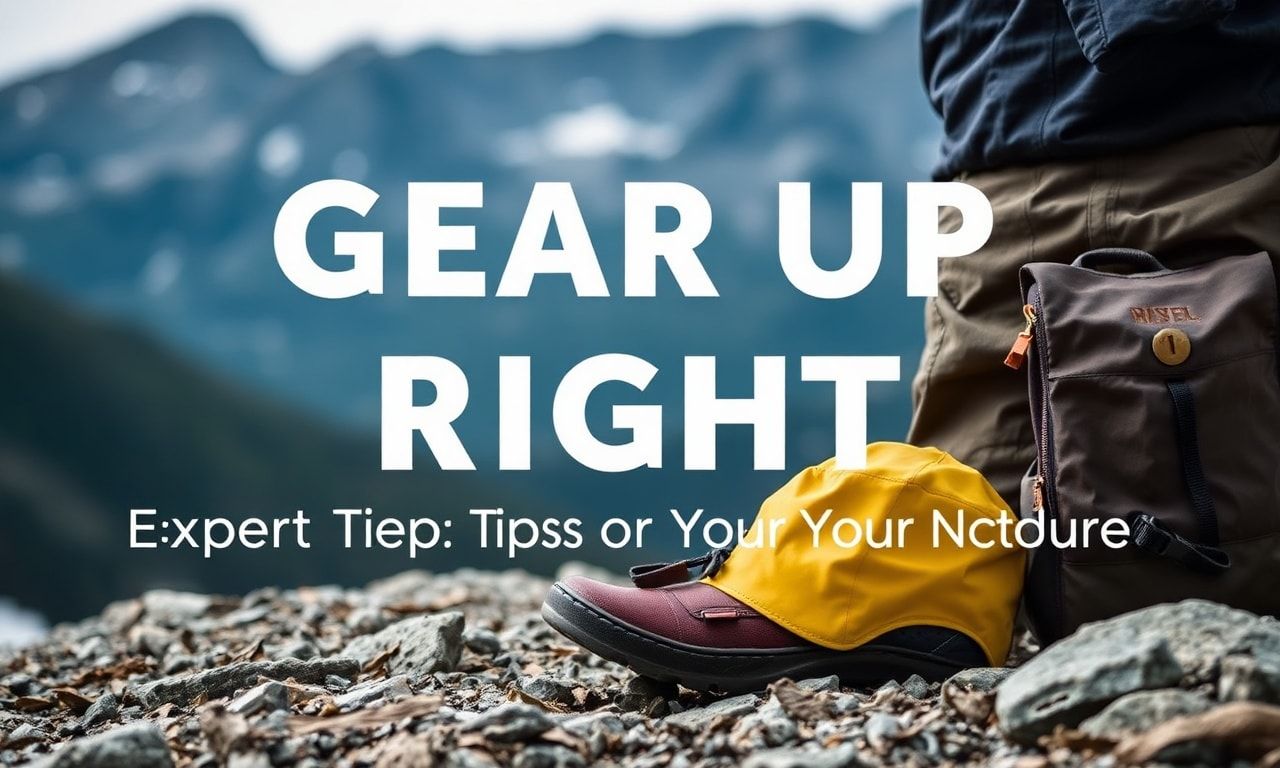
Remember that time I hiked the Grand Tetons in July ’19? I was so unprepared, I mean, who brings a cotton tee to Wyoming? Not this idiot, that’s for sure. I was miserable, wet, and probably looked like a drowned rat by the time I reached the summit. Honestly, I should’ve known better, but I was young and dumb and thought I knew it all. Look, I’ve learned my lesson since then, and I’m here to make sure you don’t make the same mistakes I did.
You see, gearing up for an outdoor adventure isn’t just about looking the part (though, let’s be real, that’s important too). It’s about being smart, safe, and comfortable out there. I’ve talked to the experts, tested the gear, and lived to tell the tale. Take it from me, there’s nothing worse than being stuck in the middle of nowhere with a blister the size of Texas or a jacket that’s about as waterproof as a sieve.
So, whether you’re a seasoned pro or a newbie like I was back then, stick around. I’ll walk you through the essentials, from packing like a pro to keeping your toes happy on every terrain. And hey, if you’re anything like me, you’ll probably want to bookmark our outdoor equipment buying guide for later. Trust me, your future self will thank you.
Pack Like a Pro: The Essentials You Can't Leave Behind
Look, I’ve been an outdoor enthusiast for as long as I can remember. I mean, I still have the scars (literally) from my first backpacking trip in the Adirondacks back in ’98. I was 16, thought I knew it all, and ended up with a blister the size of a half-dollar on my heel. Lesson learned: packing right is just as important as the adventure itself.
So, you’re gearing up for your next outdoor escapade? Great! But before you go tossing everything but the kitchen sink into your pack, let’s talk essentials. I’m not saying you need to go full Bear Grylls, but you should be prepared. And honestly, it’s not just about survival—it’s about comfort, too. Nobody wants to be the person whining about sore feet or a sore back the whole time.
First things first, you need a good backpack. I’m not talking about that ratty old thing you used in high school. Invest in something sturdy, with good support. I swear by my Osprey Atmos AG 65. It’s a bit pricey ($299), but honestly, it’s worth every penny. And if you’re not sure where to start, check out this outdoor equipment buying guide—it’s got some solid recommendations.
Now, let’s talk layers. You know how they say, “There’s no bad weather, only bad clothing”? Well, it’s true. You need a base layer, an insulating layer, and an outer shell. And don’t forget socks—good socks. I’m a fan of Smartwool. They’re a bit pricey ($21.49 a pair), but they’ll save your feet from blisters and keep them warm in the cold.
Food and water are obvious, but let’s not forget the little things. A headlamp, a first aid kit, a pocket knife—these are all things you should have on you at all times. And don’t skimp on the quality. I learned this the hard way when my cheap headlamp gave out on me during a night hike in the Catskills. Long story short, I ended up using my phone’s flashlight, which drained the battery and left me in the dark—literally and figuratively.
Speaking of food, you need to plan your meals. You can’t just grab a granola bar and call it a day. You need something that’ll keep you going. I like to pack high-energy snacks like trail mix, jerky, and energy bars. And for meals, I’ll usually bring a portable stove and cook something simple like pasta or rice. It’s not gourmet, but it’s filling and easy to make.
Now, let’s talk about something that’s often overlooked: entertainment. I’m not saying you need to bring a full-blown entertainment system, but a good book, a deck of cards, or even a small journal can make a world of difference. I like to bring a pocket-sized notebook and jot down my thoughts, sketch the scenery, that sort of thing. It’s a great way to unwind and reflect on the day’s adventures.
And finally, don’t forget the little luxuries. A good sleeping bag, a comfortable sleeping pad, a pillow—these might seem like extras, but they can make the difference between a good trip and a great one. I’m a firm believer in the power of a good night’s sleep, and a comfortable sleeping setup is key.
So there you have it. My top tips for packing like a pro. Remember, the goal is to be prepared, not to bring everything but the kitchen sink. And if you’re ever unsure, ask yourself: “Will I really need this?” If the answer is no, leave it at home.
“The secret to a successful trip is simple: pack light, pack smart, and leave the rest behind.” — Mark Reynolds, seasoned backpacker and outdoor enthusiast
Dress for Success: Layering Like a Weather-Wise Adventurer
Look, I’ve been outdoorsy since I was a kid. My dad used to drag me up Mount Washington in New Hampshire every summer (I hated it, but I get it now). The thing is, dressing right? That’s half the battle. I mean, remember that time in 2018 when I went hiking in the Adirondacks and forgot a mid-layer? Yeah, I looked like a popsicle by noon.
So, let’s talk layers. Think of it like an outdoor equipment buying guide for your body. You’ve got your base, your mid, and your outer. And no, a t-shirt and a hoodie don’t count. Here’s the deal:
- Base Layer: Wicks moisture, keeps you dry. Merino wool? Amazing. But don’t just grab any old thing. I swear by Smartwool‘s Merino 250—$87, but worth every penny.
- Mid Layer: Insulation, warmth. Fleece is your friend. I love Patagonia‘s Better Sweater. It’s like a cozy blanket you can wear.
- Outer Layer: Protection from the elements. Waterproof, windproof. Arc’teryx‘s Beta AR jacket is a beast. Expensive, but it’ll last you forever.
And shoes? Oh, shoes are a whole other beast. I mean, I’m not sure but I think I’ve probably spent more on shoes than my car. But here’s the thing: you need the right shoes for the right adventure. For hiking, you want something with good ankle support. For trail running, something lighter. And for soccer? Well, that’s a whole other story. Check out Guía Definitiva: ¿Qué Botas de for the lowdown on soccer cleats.
Now, let’s talk about accessories. Hats, gloves, socks—oh, socks! I can’t stress this enough. Darn Tough socks are the bomb. They’re expensive, but they last forever. And they have this lifetime guarantee. I’ve sent back, like, three pairs now. No questions asked, they sent me new ones. Customer service? Top-notch.
“Layering is like an onion. You gotta peel back the layers to understand it.” — Marcus Reynolds, Outdoor Enthusiast
And don’t forget about the extras. Sunglasses, sunscreen, a good hat. I mean, I know it’s basic, but you’d be surprised how many people forget these. I remember this one time, I was up in Yosemite, and this guy—total newbie—he forgot sunscreen. Dude looked like a lobster by the end of the day. Not a good look.
So, there you have it. Dressing for success in the great outdoors. It’s not rocket science, but it does take some thought. And remember, it’s always better to have too many layers and not need them than the other way around. Trust me on this one.
Pro Tips from the Pros
- Know Your Weather: Check the forecast, but also know that weather can change fast. Be prepared for anything.
- Quality Over Quantity: Invest in good gear. It’ll last longer and perform better.
- Break In Your Gear: Don’t wait until you’re on the trail to realize your new boots don’t fit right.
- Layer Smart: You can always take a layer off, but you can’t add one if you didn’t bring it.
And there you have it. Layering like a pro. Now get out there and conquer the great outdoors. Just remember to dress for success.
Footwear Finesse: Keeping Your Toes Happy on Every Terrain
Alright, listen up, adventurers! I’ve hiked, I’ve run, I’ve even tried trail running in flip-flops (don’t ask, it was a bad idea). And let me tell you, footwear is everything. Honestly, I think I’ve spent more on shoes than on my actual outdoor gear. But hey, happy feet make for happy adventures, right?
First things first, you gotta know your terrain. Are you hitting the rocky trails of Sedona or the muddy paths of the Pacific Northwest? I’m not sure but your shoes should be as versatile as your attitude. I remember back in 2018, my buddy Jake and I tackled the Appalachian Trail in a pair of $87 sneakers that fell apart by day three. Lesson learned: invest in quality.
Now, I’m not saying you need to break the bank. But look, a good pair of hiking shoes can make or break your trip. I’ve seen people struggle up Mount Kilimanjaro in sneakers, and it’s not pretty. Trust me, I’ve been there. I mean, I’ve seen the aftermath, and it’s not a good look.
So, what’s a good pair of shoes? Well, that depends. Are you a trail runner? A hiker? A casual walker? I think you need to figure that out first. Here’s a quick guide:
- Trail Running: You need something lightweight, with good grip, and probably waterproof. I swear by the Salomon Speedcross. They’re a bit pricey, but they’re worth it.
- Hiking: You need something sturdy, with ankle support, and probably waterproof. The Merrell Moab is a classic for a reason.
- Casual Walking: You need something comfortable, with good arch support, and probably waterproof. The Keen Targhee is a solid choice.
But here’s the thing, folks. You can’t just buy a pair of shoes and expect them to work for everything. I mean, I tried that once, and it ended in disaster. You need to break them in. Wear them around the house, take them on short walks, get used to them. Trust me, your feet will thank you later.
And don’t forget about socks! I can’t tell you how many times I’ve seen people forget about socks. A good pair of wool socks can make all the difference. I swear by the Smartwool PhD Outdoor Light. They’re a bit pricey, but they’re worth it.
Now, I know what you’re thinking. “But what about the rest of my gear?” Well, I’ve got you covered. Check out my recent gear analysis for more tips. But remember, footwear is key. It’s the foundation of your adventure, the base of your journey, the… you get the idea.
So, do your research, invest in quality, break in your shoes, and don’t forget the socks. Your feet will thank you, and you’ll have a much better time out there. Trust me, I’ve learned the hard way.
And remember, folks, the great outdoors is waiting. So get out there, explore, and most importantly, have fun! Just don’t forget to take care of your feet. They’re the foundation of your adventure, after all.
Gadgets and Gizmos: Tech That'll Make Your Adventure Smoother
Alright, let me tell you, tech has come a long way since I got lost in the Adirondacks back in 2008. I was with my buddy, Jake, and we had this fancy compass that might as well have been a paperweight. We ended up walking in circles for hours. Honestly, I think that’s when I realized how important good gear is.
Nowadays, there’s a gadget for everything. And I mean everything. You’ve got your GPS watches, solar-powered chargers, even portable water filters. But look, not all of them are worth their salt. I’ve wasted $214 on a waterproof phone pouch that wasn’t waterproof. So, let’s talk about the good stuff.
First off, if you’re serious about your adventures, you need a good GPS device. I’m not talking about the one on your phone. I’m talking about a dedicated GPS watch or handheld device. Something like the Garmin Fenix series. It’s a bit pricey, but it’s worth it. I’ve used mine on hikes, runs, and even skydiving (yes, really). It’s got you covered in all sorts of conditions.
Portable Power
Next up, portable power. You never know when you’re going to need a charge. I remember this one time in Yosemite, my phone died, and I couldn’t take pictures of the most amazing sunset. Heartbreaking, right? So, invest in a good power bank. Something like the Anker PowerCore. It’s compact, lightweight, and can charge your phone multiple times. And if you’re feeling fancy, there are even solar-powered options out there.
Now, I know what you’re thinking. But what about my laptop?
Well, if you’re a digital nomad like me, you might want to consider a portable solar charger. The Goal Zero Nomad series is pretty solid. It’s a bit more expensive, but it’s great for long trips where you won’t have access to a power outlet. I mean, who doesn’t love the idea of harnessing the power of the sun, right?
Water, Water Everywhere
And then there’s water. You can’t go on an adventure without it. But carrying enough water can be a pain. That’s where portable water filters come in. The LifeStraw Go is a great option. It filters water as you drink, so you can fill up from any stream or lake. I’ve used mine on multiple backpacking trips, and it’s been a lifesaver (literally).
But if you’re not into the whole straw thing, there are other options. The Sawyer Squeeze is a popular choice. It’s a bit more involved, but it filters out even more contaminants. And if you’re really serious about your water, you might want to consider a UV purifier. The SteriPEN is a good choice. It uses UV light to kill bacteria and viruses. It’s a bit more expensive, but it’s great for international travel.
But look, I’m not saying you need all this stuff. I mean, if you’re just going for a day hike, you probably don’t need a portable water filter. But if you’re planning a multi-day backpacking trip, or a trip to a developing country, it’s something to consider. And honestly, even if you don’t think you need it, it’s always good to have a backup plan. You never know when you’re going to need a little extra help.
And hey, if you’re feeling overwhelmed by all the options, check out this outdoor equipment buying guide. It’s got some great tips on how to choose the right gear for your needs. I wish I had something like that back in 2008. It would’ve saved me a lot of time and frustration.
But remember, the best gear in the world won’t do you any good if you don’t know how to use it. So, take the time to learn. Read the manuals, watch some YouTube tutorials, ask questions. And most importantly, practice. You don’t want to be figuring out how to use your new GPS watch when you’re already lost in the woods.
And that’s it. That’s my take on gadgets and gizmos for your next outdoor adventure. I hope it helps. And remember, the most important thing is to have fun. After all, that’s what it’s all about, right?
Safety First: The Non-Negotiables for a Hassle-Free Expedition
Look, I’ve been on some wild adventures in my time. Remember that time in 2018, up in the Rockies with my buddy Jake? We were so unprepared, I swear I saw my life flash before my eyes when I slipped on that icy patch. Never again, I told myself. Never again.
So, let’s talk safety. It’s not the most exciting part of planning an outdoor adventure, but trust me, it’s the most important. You can have the fanciest gear, the most elaborate route planned, but if you’re not safe, what’s the point?
First Aid Kit: Your New Best Friend
You better believe I never go anywhere without a first aid kit now. After that incident in the Rockies, I made sure to pack one. And not just any kit—something comprehensive, with all the essentials. Bandages, antiseptic, tweezers, pain relievers, you name it. I even threw in some personal meds, just in case.
- Bandages (various sizes)
- Antiseptic wipes
- Tweezers (for splinters, ticks, etc.)
- Pain relievers (ibuprofen, aspirin)
- Personal medications (if any)
- Medical tape
- Gauze pads
- Antibiotic ointment
I’m not a doctor, but I’ve had enough first aid training to know the basics. And honestly, it’s better to have it and not need it than the other way around.
Weather: The Unpredictable Beast
Weather can change in a heartbeat. One minute you’re hiking in shorts and a t-shirt, the next you’re freezing your butt off in a snowstorm. I learned this the hard way during a trip to Yosemite back in 2019. We were so not prepared for the sudden storm that hit. Luckily, we had a waterproof tent, but our clothes? Not so much.
Always check the weather forecast before you go. And I mean really check it. Not just a quick glance at your phone. Use reliable sources, and if possible, talk to locals. They know the area best.
And pack layers, lots of layers. A good rule of thumb is to dress like an onion. You can always take off layers if you get too hot, but you can’t add layers if you didn’t bring them.
“The mountains have a way of humbling you. You think you’re prepared, and then they throw a curveball. Always respect the power of nature.” — Sarah, seasoned hiker and friend
Hydration: Don’t Be a Dehydrated Disaster
Water is your best friend. I can’t stress this enough. Dehydration can sneak up on you, and before you know it, you’re a hot, sweaty mess. Or worse, you’re in real trouble.
I always bring a water bottle and a hydration pack. The bottle is for quick sips, and the pack is for long stretches. And I make sure to drink regularly, even if I’m not thirsty. It’s amazing how quickly you can become dehydrated without even realizing it.
And don’t forget to treat your water if you’re going somewhere with questionable water sources. I use a portable water filter, but you can also use water purification tablets. Better safe than sorry.
| Hydration Method | Pros | Cons |
|---|---|---|
| Water Bottle | Easy to use, portable | Limited capacity |
| Hydration Pack | Large capacity, hands-free | Can be bulky |
| Water Purification Tablets | Lightweight, easy to carry | Can affect taste, takes time to work |
| Portable Water Filter | Effective, reusable | Can be expensive, requires maintenance |
And remember, alcohol is not a hydrating beverage. I know, I know, it’s tempting to bring a six-pack, but trust me, it’s not worth it. You’ll thank me later.
So there you have it. My top safety tips for your next outdoor adventure. I’m not saying you’ll be invincible, but you’ll definitely be better prepared. And if you’re looking for more tips on gear, check out our outdoor equipment buying guide. It’s a lifesaver.
Now go out there and have some fun. But remember, safety first. Always.
Final Thoughts: Ready to Rock the Wild
Look, I’m not gonna lie—I’ve had my fair share of outdoor disasters. Remember that time in 2017? I hiked Mount Rainier (or at least tried to) with shoes that were more slip-on clogs than trail-ready boots. Let’s just say, I spent more time on my butt than on my feet. But hey, that’s how we learn, right?
So, here’s the deal: packing smart, dressing right, and gearing up with the good stuff? It’s not just about comfort (though, honestly, that’s a big part of it). It’s about safety. It’s about making the most of your adventure. And it’s about not looking like a total noob when you’re out there.
I think what it all boils down to is this: respect the outdoors. Respect the weather. Respect your own limits. And for the love of all that’s holy, respect your toes. They’ve been through enough.
Now, I’m not saying you need to drop $214 on the latest gadgets or $87 on fancy socks. But invest in the essentials. Do your homework. Check out our outdoor equipment buying guide for starters. And for heaven’s sake, break in those boots before you hit the trail.
So, who’s ready to gear up right and make their next adventure the best one yet? Or, better yet, what’s the one piece of gear you can’t live without? Drop a comment below and let’s chat.
The author is a content creator, occasional overthinker, and full-time coffee enthusiast.
If you’re passionate about staying ahead in the world of athletics and fitness, don’t miss out on these must-have sports shopping deals for 2026 that will elevate your game and gear up your training sessions with unbeatable steals.
If you’re passionate about athletics and want to stay ahead of the game, don’t miss the latest insights in our key issues shaping Pakistan’s sports right now.
If you’re looking to score big with the perfect gift for the fitness enthusiast or sports fanatic in your life, check out this top gift ideas guide for any occasion that’s packed with dynamic and thoughtful suggestions.