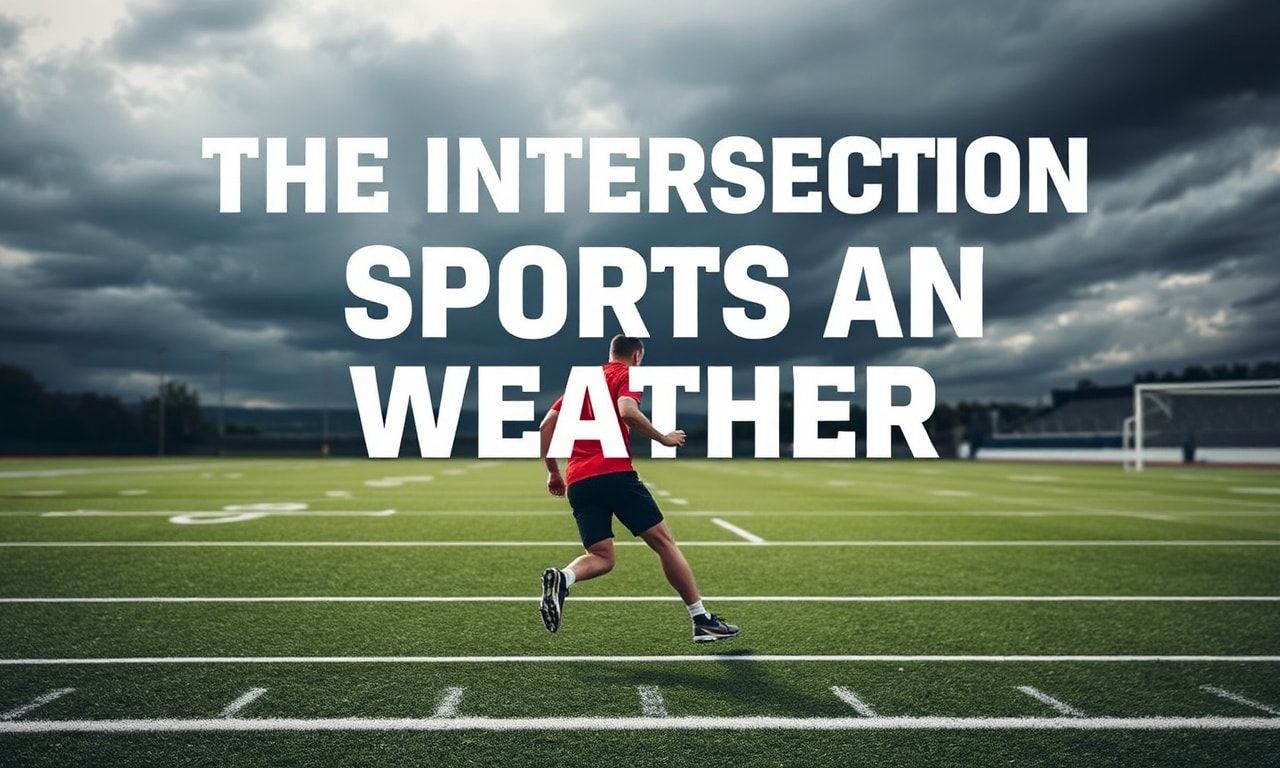
The Impact of Weather on Sports
Sports and weather have a symbiotic relationship that has fascinated athletes, coaches, and analysts for decades. The performance of athletes and the outcome of games can be significantly influenced by weather conditions. From the sweltering heat of summer to the biting cold of winter, every season presents unique challenges and opportunities for athletes. Understanding how weather affects sports can provide a competitive edge and enhance the viewing experience for fans.
Weather conditions such as temperature, humidity, wind speed, and precipitation can alter the dynamics of a game. For instance, high humidity can make it difficult for athletes to cool down, leading to decreased performance. On the other hand, a strong wind can either aid or hinder athletes depending on the direction and intensity. The hava durumu portal rehberi provides valuable insights into how weather patterns can be monitored and utilized to optimize athletic performance.
Temperature and Athletic Performance
Temperature is one of the most critical weather factors affecting athletic performance. Extreme heat can lead to dehydration, heat exhaustion, and even heat stroke, which can severely impact an athlete’s ability to perform. Conversely, cold temperatures can cause muscle stiffness and reduced blood flow, making it harder for athletes to warm up and perform at their best. Athletes often have to adapt their training regimens and hydration strategies to cope with varying temperatures.
In sports like marathon running, the impact of temperature is particularly pronounced. Studies have shown that marathon runners perform better in cooler temperatures, with optimal performance often occurring between 10°C and 15°C. In contrast, temperatures above 20°C can lead to a significant decrease in performance due to the increased strain on the body’s cooling mechanisms. Understanding these temperature thresholds can help athletes and coaches devise better strategies for training and competition.
The Role of Humidity
Humidity is another crucial weather factor that can influence athletic performance. High humidity levels can make it feel much hotter than the actual temperature, as the air is saturated with moisture, making it difficult for sweat to evaporate and cool the body. This can lead to a higher risk of heat-related illnesses and decreased endurance. Athletes often have to adjust their hydration and cooling strategies to cope with high humidity levels.
In sports like soccer and basketball, where continuous running and quick bursts of energy are required, high humidity can be particularly challenging. Players may experience fatigue more quickly and have a harder time maintaining their performance levels. Coaches and athletes need to be aware of these challenges and plan accordingly, ensuring that players are well-hydrated and have access to cooling strategies during games.
Wind Speed and Direction
Wind speed and direction can also play a significant role in athletic performance. In sports like cycling and sailing, wind can either aid or hinder an athlete’s progress. A tailwind can provide a boost, allowing athletes to travel faster with less effort, while a headwind can make it much harder to maintain speed. Understanding wind patterns and how to use them to your advantage can be a game-changer in these sports.
In sports like golf, wind can significantly impact the trajectory and distance of a ball. Golfers need to adjust their swings and club selection based on wind speed and direction to ensure accurate shots. The ability to read and adapt to wind conditions is a skill that separates good golfers from great ones. Weather forecasting tools, such as the hava durumu portal rehberi, can provide valuable insights into wind patterns, helping athletes make informed decisions.
Precipitation and Its Effects
Precipitation, in the form of rain, snow, or hail, can have a profound impact on athletic performance. Rain can make surfaces slippery, increasing the risk of injuries and making it harder for athletes to maintain their footing. Snow can create additional challenges, particularly in winter sports like skiing and snowboarding, where visibility and terrain conditions can be affected. Athletes need to be prepared for these conditions and have the appropriate gear and strategies to cope with them.
In sports like football and rugby, rain can make the ball slippery and harder to handle, affecting the accuracy of passes and kicks. Players need to adjust their techniques and grip to ensure they can perform at their best in wet conditions. Coaches and athletes should be aware of the potential challenges posed by precipitation and plan their strategies accordingly.
Adapting to Weather Conditions
Adapting to weather conditions is a critical skill for athletes. Whether it’s adjusting training regimens, modifying equipment, or changing strategies, athletes need to be flexible and adaptable to perform at their best in varying weather conditions. Understanding how weather affects sports can provide a competitive edge and enhance the viewing experience for fans.
One of the key strategies for adapting to weather conditions is proper hydration. Athletes need to ensure they are well-hydrated before, during, and after games, particularly in hot and humid conditions. This can help prevent heat-related illnesses and maintain performance levels. Additionally, athletes should wear appropriate clothing and gear that can help regulate body temperature and protect against the elements.
Another important strategy is to monitor weather forecasts and plan accordingly. Tools like the hava durumu portal rehberi can provide valuable insights into weather patterns, helping athletes and coaches make informed decisions about training and competition schedules. By understanding how weather affects sports, athletes can better prepare and perform at their best, regardless of the conditions.
Discover how to elevate your game with a holistic wellness approach, blending nutrition, fitness, and mental health for peak athletic performance.
Ever wondered how weather can make or break a game? Dive into sports and weather impacts to uncover the fascinating connection between local conditions and athletic performance.
Elevate your training environment with secrets to better air quality, ensuring you breathe easy and perform at your peak.