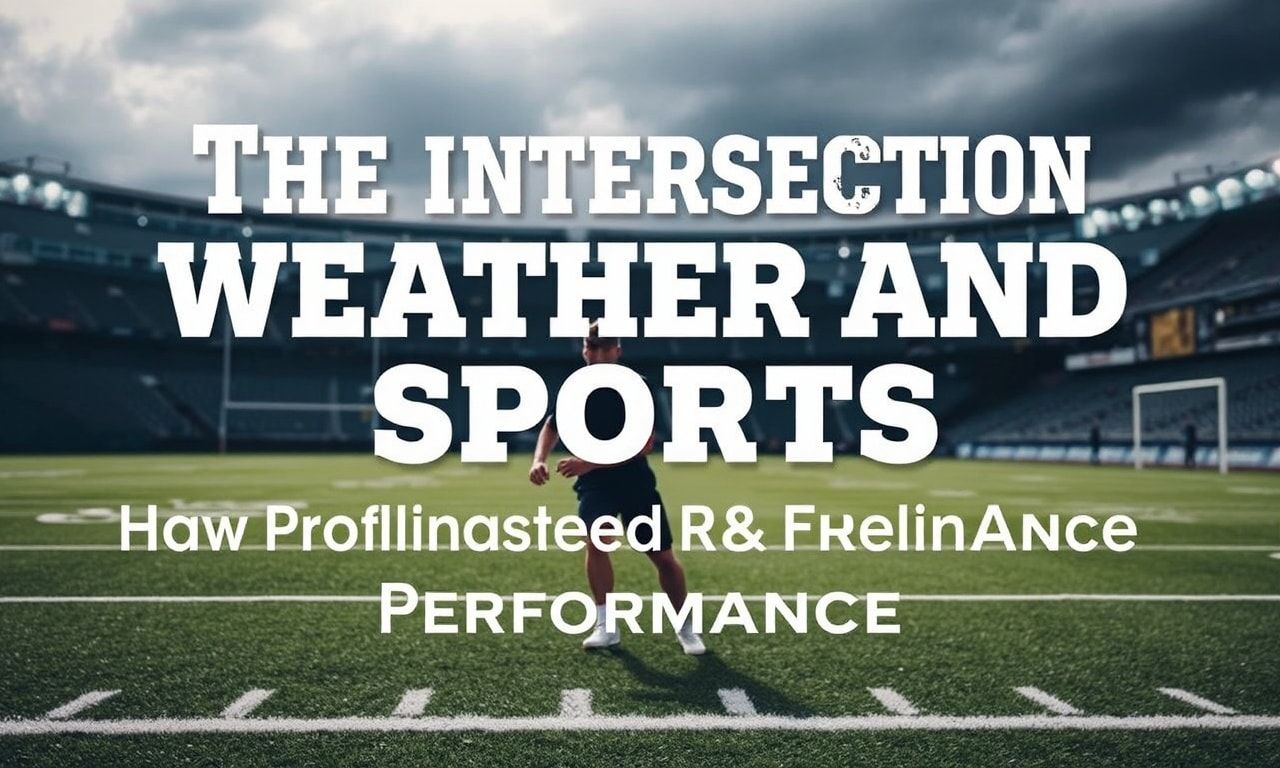
The Influence of Weather on Sports
In the world of sports, athletes and teams are constantly seeking that competitive edge. While training, strategy, and athleticism are crucial, one often overlooked factor is the weather. The climate can significantly impact athletic performance, influencing everything from player comfort to game outcomes. Understanding how weather conditions affect sports can provide valuable insights for athletes, coaches, and fans alike.
Temperature and Performance
Temperature is one of the most critical weather factors affecting sports. High temperatures can lead to dehydration and heat exhaustion, while cold weather can cause muscle stiffness and reduced agility. Athletes must adapt their training and game-day strategies to accommodate these conditions. For instance, marathon runners often start races early in the morning to avoid the hottest part of the day, and football teams may use different playbooks based on the temperature to optimize their performance.
To stay ahead of the game, athletes and teams rely on accurate weather information. Websites like real time weather forecast online provide up-to-date data that can help athletes prepare for any weather condition. Whether it’s a sunny day at the stadium or a rainy afternoon on the track, having access to real-time weather updates can make a significant difference in performance.
Humidity and Its Effects
Humidity is another crucial factor that can impact athletic performance. High humidity levels can make it feel much hotter than the actual temperature, leading to increased sweating and a higher risk of heat-related illnesses. Athletes in humid conditions need to be extra vigilant about hydration and cooling strategies. On the other hand, low humidity can cause dehydration and respiratory issues, particularly in endurance sports like long-distance running or cycling.
Coaches and athletes often use humidity data to adjust their training regimens. For example, they might schedule high-intensity workouts during times of the day when humidity is lower or incorporate more hydration breaks during practice sessions. By understanding the role of humidity, athletes can better prepare for competitions and minimize the risk of weather-related injuries.
Wind and Its Impact on Sports
Wind can be a game-changer in many sports, particularly those played outdoors. In golf, wind direction and speed can significantly affect the trajectory of a ball, requiring players to adjust their swings accordingly. In cycling, headwinds can slow down riders, while tailwinds can provide a speed boost. Even in team sports like soccer and football, wind can influence the direction and distance of passes and kicks.
Athletes often practice in various wind conditions to develop the skills needed to adapt to different scenarios. For instance, golfers might spend time on the driving range practicing shots in windy conditions, while cyclists might train in open areas to get used to riding against the wind. By mastering these skills, athletes can perform better in competitions, regardless of the weather.
Rain and Its Challenges
Rain can present unique challenges for athletes and teams. Wet surfaces can become slippery, increasing the risk of falls and injuries. In sports like soccer and football, rain can make the ball more difficult to handle, affecting the accuracy of passes and kicks. In track and field, rain can make running surfaces slick, requiring athletes to adjust their stride and technique.
Teams and athletes must be prepared for rainy conditions, often using specialized equipment like waterproof gear or cleats designed for wet surfaces. Coaches may also adjust their game plans to account for the challenges posed by rain, such as focusing on short, controlled passes in soccer or using more ground balls in baseball. By being proactive, athletes can minimize the impact of rain on their performance.
Altitude and Its Effects
Altitude is another weather-related factor that can impact athletic performance. At higher altitudes, the air is thinner, which can affect an athlete’s ability to breathe and perform at their best. Sports like running and cycling are particularly affected by altitude, as athletes may experience reduced oxygen levels and increased heart rates. Teams and athletes often travel to high-altitude locations to train, allowing their bodies to acclimate to the conditions before competitions.
Understanding the effects of altitude can help athletes prepare for competitions in different locations. For example, runners might adjust their training regimens to include high-altitude workouts, while cyclists might focus on endurance training to build stamina. By being aware of the challenges posed by altitude, athletes can better prepare for competitions and perform at their best, regardless of the location.
The intersection of weather and sports is a fascinating and complex topic. By understanding how different weather conditions can impact athletic performance, athletes, coaches, and fans can gain valuable insights into the world of sports. Whether it’s temperature, humidity, wind, rain, or altitude, the weather plays a crucial role in shaping the outcomes of athletic competitions. By staying informed and prepared, athletes can optimize their performance and achieve their goals, no matter the weather.
Take a break from the game and dive into the vibrant world of anime’s global impact, a cultural and economic force that’s as dynamic as your favorite sport!
Discover how Taiwan is revolutionizing wellness tourism, offering athletes and fitness enthusiasts unique opportunities to rejuvenate and enhance their performance by exploring Taiwan’s wellness innovations.
As athletes and sports enthusiasts, it’s crucial to stay informed about global safety trends, so dive into our latest feature crime reporting in Baku to understand how it impacts international competitions.