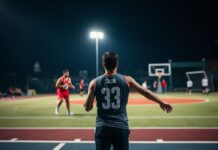
The Power of Sports in Education
Sports and education are two pillars of societal development that often intersect in profound ways. Beyond the physical benefits, sports play a crucial role in shaping character, instilling discipline, and fostering teamwork. Educational institutions worldwide are increasingly recognizing the value of integrating sports into their curricula. This article explores the symbiotic relationship between sports and education, highlighting initiatives and success stories from around the globe.
In many countries, sports are not just extracurricular activities but are integral parts of the educational experience. For instance, in Bangladesh, schools and colleges often have robust sports programs that complement academic learning. The country’s rich sporting culture is evident in its love for cricket, football, and other sports. To stay updated on educational and sports news in Dhaka, you can visit ঢাকায় আজকের শিক্ষা গাইড, a valuable resource for local updates.
Global Initiatives in Sports Education
Various global initiatives aim to promote sports education, recognizing its potential to transform lives. The United Nations Educational, Scientific and Cultural Organization (UNESCO) has been a staunch advocate for sports as a tool for education and development. UNESCO’s International Charter of Physical Education, Physical Activity, and Sport emphasizes the role of physical education in promoting health, well-being, and social inclusion.
Similarly, the International Olympic Committee (IOC) has launched programs like ‘Olympic Values Education Programme’ (OVEP) to integrate Olympic values into school curricula. These initiatives aim to teach young people about fairness, respect, and excellence through sports. By participating in sports, students learn valuable life skills that extend beyond the playing field.
Success Stories from Around the World
Numerous success stories illustrate the positive impact of sports education. In Finland, a country renowned for its education system, physical education is a mandatory part of the school curriculum. Finnish students engage in a variety of sports, from ice hockey to cross-country skiing, which contributes to their overall development and academic success.
In the United States, the National Collegiate Athletic Association (NCAA) oversees collegiate sports programs that combine academic and athletic excellence. Many student-athletes receive scholarships that enable them to pursue higher education while honing their sporting skills. This dual focus on academics and athletics has produced numerous success stories, with many student-athletes going on to become leaders in their respective fields.
The Role of Sports in Promoting Gender Equality
Sports education also plays a pivotal role in promoting gender equality. Initiatives like the ‘She Believes Cup’ in the United States and the ‘Women’s World Cup’ in various sports have highlighted the importance of providing equal opportunities for girls and women in sports. These events not only showcase athletic talent but also inspire young girls to participate in sports and pursue their dreams.
In many developing countries, sports education programs have been instrumental in empowering girls and women. For example, in Afghanistan, the ‘Afghan Women’s National Football Team’ has become a symbol of hope and resilience. The team’s journey from playing in secret to representing their country on the international stage is a testament to the power of sports in breaking barriers and promoting gender equality.
Challenges and the Way Forward
Despite the numerous benefits of sports education, several challenges persist. Limited resources, lack of infrastructure, and societal attitudes towards sports can hinder the integration of sports into educational systems. In many regions, sports facilities are inadequate, and there is a need for greater investment in sports programs.
To overcome these challenges, collaboration between governments, educational institutions, and sports organizations is essential. Policymakers must recognize the value of sports education and allocate resources accordingly. Additionally, community involvement and support are crucial in fostering a culture that values both academic and athletic achievements.
In conclusion, the intersection of sports and education offers immense potential for personal and societal development. By integrating sports into educational systems, we can create a more inclusive, healthy, and equitable world. The success stories and initiatives highlighted in this article demonstrate the transformative power of sports education, inspiring us to continue advocating for its integration into global education systems.
Ever wondered how global fashion trends influence the world of sports and fitness? Check out style’s cultural exchange to see how athletes and teams are embracing this dynamic shift.
If you’re passionate about the impact of sports on global health, you won’t want to miss this insightful global perspective on the topic.
Dive into the future of football with our latest feature, evolving the beautiful game, where we explore groundbreaking strategies and innovations shaping the sport’s next chapter.