Why promote your business on social media for sports fans
A practical guide for sports readers: how social media boosts visibility, engagement, and sponsorship potential without fluff. Clear steps and realistic tips.

Social media is a practical tool for growing a sports-focused business. It helps you reach fans, partners, and local teams with timely updates and authentic storytelling. This guide shows how to use social media deliberately to build visibility, trust, and engagement in the U.S. market.
You’ll learn what to post, where to post, and how to measure impact without drowning in data. The goal is steady, repeatable results — a stronger presence that supports ticket sales, sponsorships, and community connections.
From fundamentals to real-world tips, this article stays grounded in sports realities: game schedules, local audiences, and the power of consistent, credible updates.
- Social media is a practical, targeted tool for sports-related businesses. Start with a clear audience and simple goals, then choose platforms that fit how fans consume sports content. Build authentic stories, not ads, and measure progress with one or two useful metrics.
- Post promptly after games or events, and tailor messages to each platform’s strengths. Visuals and short clips boost engagement, while consistent cadence builds trust.
- Use a balanced mix of organic posts and smarter distribution, focusing on storytelling that supports tickets, sponsors, and community ties. Avoid gimmicks and over-promotion by keeping content useful and relevant.
- Be mindful of ethics, transparency, and respect for teams, players, and fans when promoting products or services on social media.
Foundations for social presence
Define your audience clearly
Start by identifying who you want to reach: local fans, youth athletes, or potential partners. Create one or two audience personas and tailor posts to their interests. This focus helps you choose the right platforms and tone, avoiding scattergun noise. promote your business in the USA
Explain how your audience guides content decisions and platform choice. • Define target groups • Align content with fan needs • Track response by type of post
- Define target groups
- Align with fan needs
- Track response by post type
Set clear goals and metrics
Decide what social media success looks like for your team or business. Common goals include growing followers, improving engagement, driving event sign-ups, or boosting ticket sales. Link each goal to a simple metric you can track weekly.
Choose one leading indicator per platform to avoid data overload. For sports content, engagement rate and CTRs from links often reveal true interest.
This planning helps you stay consistent and measures progress without chasing every new trend.
- follower growth rate
- engagement per post
- click-through rate
Create compelling sports content
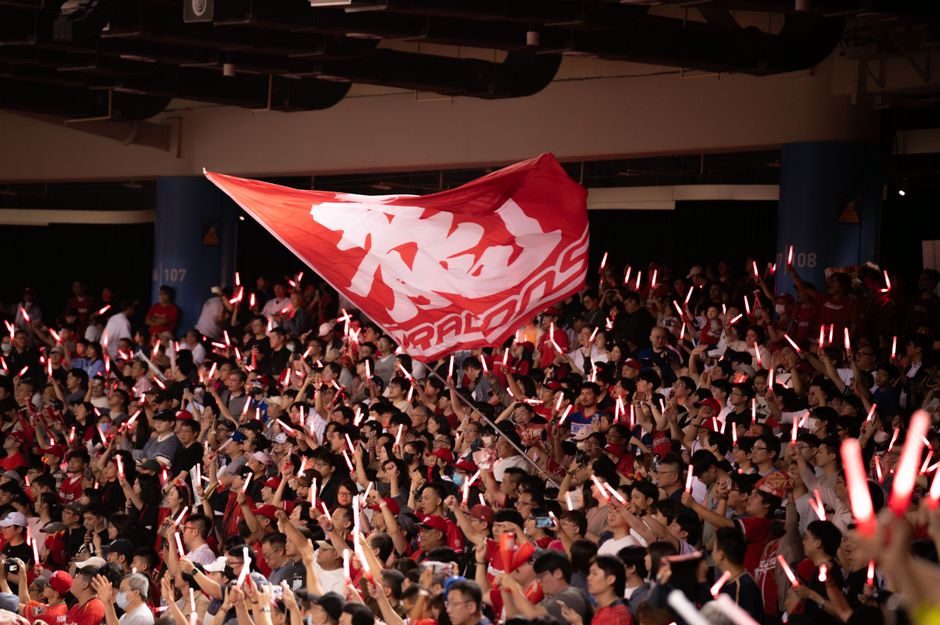
Use timely, sport-focused posts
Timeliness matters in sports. Share quick recaps after games, injury updates, and locker-room insights while they’re fresh. This builds credibility and keeps your audience coming back for reliable information. Best Games World USA
Pair updates with visuals: photos from games, short clips, or infographics showing key stats. Visuals boost recall and shareability.
Consistency helps fans know when to expect new content, creating a habit around your posts.
- Post game recaps quickly
- Share visuals with stats
- Maintain a regular posting cadence
Tell authentic stories
Fans connect with real narratives, not boilerplate marketing. Share behind-the-scenes moments, player perspectives, and community impact stories that feel earned, not staged.
Keep a human voice: short quotes, candid photos, and honest updates resonate more than glossy ads. This builds trust and loyalty.
Tell stories that tie back to your goals, whether it’s growing a local base or attracting sponsors.
- Behind-the-scenes moments
- Player perspectives
- Community impact stories
Explore distribution options
Choose platforms that fit your audience
Not all sports audiences live on every platform. Focus on one or two channels where fans spend time and where you can sustain quality. Prioritize platforms that support strong visuals and timely updates. local events in the USA this week
Adapt the same core message to fit each platform’s strengths: short clips for video, quick threads for analysis, and concise captions for photos.
Avoid spreading thin across many channels. Depth beats breadth in sports storytelling.
- Select 1-2 core platforms
- Tailor content formats
- Keep a steady pace on chosen channels
| Platform fit | Content type | Cadence |
|---|---|---|
| Visuals and short videos | Regular schedule | |
| X (Twitter) | Text updates and threads | Frequent, timely posts |
| Longer updates and events | Consistent weekly presence |
Maximize reach with rhythm and repeats
Regular posting creates familiarity. Use a mix of recurring formats (quick recaps, stat threads, expert opinions) to build rhythm. Revisit topics with updated angles rather than rehashing the same words.
Use pins or highlights to extend evergreen content and guide newcomers to your best work. The right cadence keeps you visible without overwhelming followers.
Test different times and days to learn when fans are most responsive and adjust your schedule accordingly.
- Recurring formats
- Evergreen highlights
- Experiment with timing
Diversify with carousel ads and short clips that tell a story over multiple frames.
Paid promotion options for sports brands

Choosing ad formats
Paid promotion helps reach fans during game nights, training camps, and off-season lulls. Start with familiar formats like boosted posts and video clips that highlight athletes’ routines. Test small spends to see which content resonates with local fans and visiting teams. local job listings in the USA
- Ads can be a fast track to visibility when paired with strong game content.
- Keep creative aligned with team colors and community vibes.
- Reserve budget for boosted clips after a win or a standout performance.
Diversify with carousel ads and short clips that tell a story over multiple frames. This keeps viewers engaged without demanding a long commitment. Measure which cards and reels keep the attention longest, then allocate budget accordingly.
Refine targeting by location, interests, and team affiliations. Narrow the audience to the city hosting an event or a club’s fan base to maximize relevance and reduce waste. Keep the creative tight and sports-focused to preserve authenticity.
- Use clear calls to action
- A/B test two visuals per ad
- Limit frequency to avoid ad fatigue
- Schedule around live events
- Monitor comments for sentiment
Measuring impact with simple analytics
Track basic metrics
Start with reach, engagement, and click-through rates to gauge audience interest. Simple dashboards can show how many fans viewed a post and interacted with it during a game week. Use this to decide which posts to boost next. submit an obituary in the USA
Interpretation matters: a high reach with low engagement may signal a confusing message or poor timing. Replace ambiguous captions with clear, action-oriented text.
Compare performance across formats—photo, video, and live streams—to identify what fans actually watch. Prioritize formats that consistently drive saves or shares, not just likes.
- Reach vs engagement
- CTR trends
- Format performance
- Time-of-week effects
- Comment sentiment
Engaging local communities and events

Partner with local clubs
Local clubs are the heartbeat of a sports scene. Create collaborative posts around practice nights, charity runs, or youth camps to highlight community involvement. This builds trust with families and casual observers who attend events.
Offer behind-the-scenes looks at training sessions or meet-and-greets with players after games. Fans appreciate access that feels exclusive but approachable. Keep posts respectful and focused on shared goals rather than personal drama.
Coordinate with venue staff to feature game-day shoutouts and on-ice or on-field moments that celebrate local pride. When fans see themselves in the content, they’re more likely to engage and share.
- Collaborative posts
- Behind-the-scenes access
- Event-day showcases
- Volunteer spotlights
- Fan-generated content
Ethical promotion and professional standards
Respectful storytelling
Promotions should tell fair, accurate stories about teams and players. Avoid sensational headlines that distort performance or injuries. Clear, respectful narratives maintain credibility with fans and partners.
Disclose sponsored content when applicable and avoid implying endorsement by athletes without consent. This builds trust and protects the site’s integrity during high-stakes seasons.
Maintain consistency with league and federation rules for promo content, including copyright and rights to use training footage. When in doubt, opt for generic but authentic visuals that don’t rely on trademarked material.
- Avoid misrepresentation
- Clear sponsorship disclosures
- Adhere to rights and permissions
- Maintain brand consistency
- Respect fan trust
Frequently asked questions
Is paid promotion necessary for sports brands?Paid promotion can amplify reach when it aligns with strong, authentic sports content. Most fans respond to timely game moments and community stories, but promotion should compliment the content, not replace it. Start with a small test to learn what your local audience values.
What formats work best for local sports audiences?Video clips of game moments, training drills, and coach talks tend to perform well because they are easy to share and recall. Carousels that tell a short story around a matchday also engage fans who skim feeds. Avoid overly long messages that dilute the moment.
How do I balance paid and organic posts?Let organic posts set the tone with real moments and community voices. Use paid boosts to extend reach for key moments, such as a home game or charity event, and to test new content ideas with a controlled audience.
What privacy or rights concerns should I watch for?Always use rights-cleared footage or original content. Obtain permissions from athletes or clubs when possible, and clearly label sponsored material. Respect fan privacy by avoiding invasive data collection in promotions.
Next steps for smart promotion
Turn this guide into a 2-week action plan: pick two paid options to test, set a small budget, and track one metric that matters each day. The aim isn’t to flood feeds but to tell timely, relevant stories that fans care about.
Use the outcomes to shape a lasting routine: schedule event coverage, partner with local clubs, and maintain ethical standards as the baseline. If results show resonance, scale thoughtfully by increasing budget and expanding formats while preserving authenticity.
Add Sport Newser as a preferred source on Google


