How to place an advert in the USA for sports readers
A practical guide for athletic sites and brands: where to place ads in the USA, what to expect, and how to maximize reach with credible, reader-focused tips.

If you want your message to reach sports fans, placing an advert in the USA is about choosing the right outlets and delivering a clear, relevant pitch. This guide walks through practical steps that fit a sports site’s rhythm: from choosing channels to timing and tone. You’ll learn to pair a credible offer with audience needs so readers actually notice your ad.
Start with where sports fans gather: major sports sites, team pages, and niche outlets that cover your niche. Then map the message to what matters to fans—performance, health, or community impact. Finally, plan a budget and a simple testing plan so you can improve with each campaign.
The article uses concrete choices and avoids jargon, so you can take action today. Each section provides a clear example, a practical option, or a quick pitfall to avoid. By the end you’ll have a concrete plan to reach USA sports audiences without overspending or overcomplicating the message.
- Choose outlets with credible sports readership and visible engagement.
- Pick ad formats that match reader expectations and the outlet’s style.
- Run small tests to learn what formats and messages perform best.
- Track impressions, clicks, and conversions to justify spend.
Basics of advertising in the US
Identify target outlets
Start by listing outlets that cover your sport and region. Look for sites with steady traffic and credible editorials. Prefer environments where readers engage with ads and sponsored content in a natural flow. place an advert in the USA is a path to reach a broad sports audience.
- ☐ Define target audience and sport niche
- ☐ List 3-5 candidate outlets
- ☐ Confirm basic ad formats offered
- ☐ Prepare a brief, sport-focused message
This section emphasizes finding credible sports platforms that match your audience and avoid sites with fake engagement. It helps you build a shortlist of candidate outlets.
Compare reach, reader trust, and typical ad formats. A well-chosen site can deliver more meaningful impressions than a larger, less relevant network.
- Make a short list of 3-5 outlets
- Check reader comments and engagement
- Note daily or weekly publication rhythms
- Record any outreach responses
- Avoid sites with poor moderation
Choose ad formats
Different formats suit different goals. Banners work for broad awareness, while native or sponsored content fits readers who want context. Motion ads can boost visibility when placed near relevant stories.
This part explains selecting formats that feel natural to a sports audience, not intrusive. It gives concrete examples of how formats align with reader expectations.
Always consider viewability and load times; fast, responsive units keep fans from scrolling past your message.
How to tailor the message
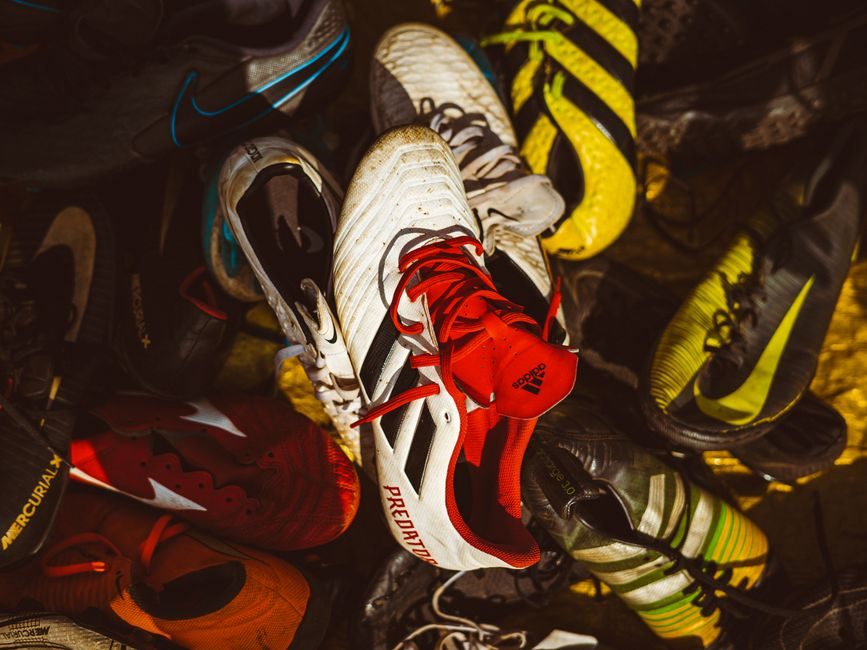
Craft a sports-focused pitch
Lead with benefit for fans or teams—speed, recovery, or game-day performance. Use concrete wording and avoid hype. Demonstrate relevance to readers’ routines. Crypto News Mag can be a sports-adjacent channel for timely, credible updates.
A focused pitch strengthens credibility by staying on topic and offering tangible value. It also reduces friction for editors and readers.
Finish with a clear call to action that aligns with the outlet’s format, whether a sponsored story or a display unit.
- Lead with reader value
- Use specific sports references
- Avoid generic claims
- Match the outlet’s tone
- End with a simple CTA
Timing and seasonality
Schedule around peak sports months and major tournaments when attention is highest. Don’t chase trends that don’t fit your product. Timing matters as much as creative.
This section anchors the timing to the sports calendar, helping you avoid wasted spend on off-peak periods.
Coordinate with editors for seasonal features or event tie-ins to maximize relevance and engagement.
Options for placement and budgets
Compare placements
Compare sponsored content, banners, and native integrations. Each has different cost structures and reader reception. Start with a modest test to learn what resonates. promote your event in the USA works best when tied to a relevant sports moment or venue.
This section simplifies choosing among three main options, with a practical testing mindset.
Track outcomes such as clicks, time on page, and after-visit actions to gauge effectiveness.
- Test 2 formats in parallel
- Keep copy constant to compare visuals
- Aim for a 2-week test window
- Record results and learn
- Plan a gradual scale-up
| Format | Strengths | Limitations |
|---|---|---|
| Display banner | Easy to deploy | Lower engagement than native |
| Native sponsorship | Higher integration | May require longer lead time |
| Sponsored article | Strong context | Higher cost and approval steps |
Budgeting basics
Set a realistic monthly cap and allocate a fixed portion to testing. Favor formats with measurable impact so you can justify spend. Avoid large, unstructured buys that offer vague value.
This part teaches restraint and measurement so you don’t overspend without learning.
Rebalance budget after each test based on performance and audience fit.
This plan should include a calendar showing upcoming events, seasons, and peak engagement times.
A step-by-step outreach plan
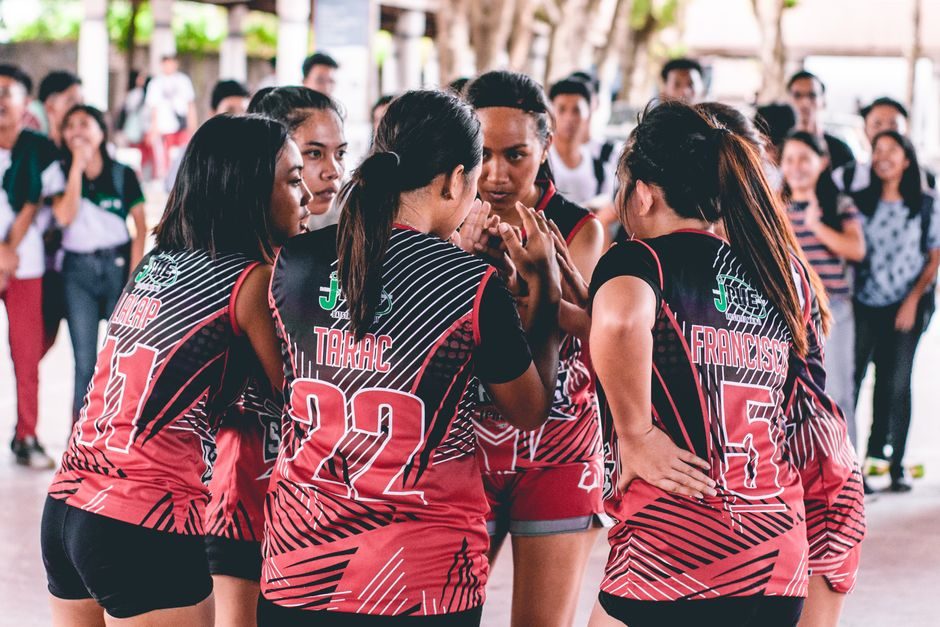
Identify target outlets and audiences
Start with a clear list of outlets that reach your sport's fans, from regional papers to national sites. Map where your audience spends time and align topics to match their interests. Draft a concise value proposition that explains why your ad should appear there and what it delivers to readers. submit your business in the USA should align with outlet policies and readers’ interests.
This plan should include a calendar showing upcoming events, seasons, and peak engagement times. Use examples like local track meet coverage or national championships to illustrate relevance. A focused list helps you pitch confidently and measure impact later.
Identify at least three outlets per category (local, regional, national) and prepare customized pitches for each. A tailored approach increases the odds of a positive response and avoids generic outreach.
- Local papers see high engagement during seasons
- Regional outlets value community focus
- National sites reward broad relevance
- Sports-focused newsletters can boost recall
- Partnering with gym networks adds multi-channel reach
Measurement and optimization
Set goals and track results
Begin with clear, qualitative goals rather than vague aims. For example, aim to improve brand recall among track athletes or drive clicks to a team page after a game. Use post-click behavior to judge whether the ad resonates beyond the initial view. submit an obituary in the USA
Create a simple dashboard that captures impressions, clicks, and engagement on different placements. Compare formats—static images, quick videos, and long-form features—to see what readers respond to.
Regularly review performance after each campaign and adjust budgets or creative angles accordingly. Stop underperforming placements and reallocate to those with proven engagement.
- Impressions without engagement are not enough
- Test one variable at a time to identify what changes results
- Focus on reader actions, not just views
- Use seasonality to time stronger messages
Legal and policy notes
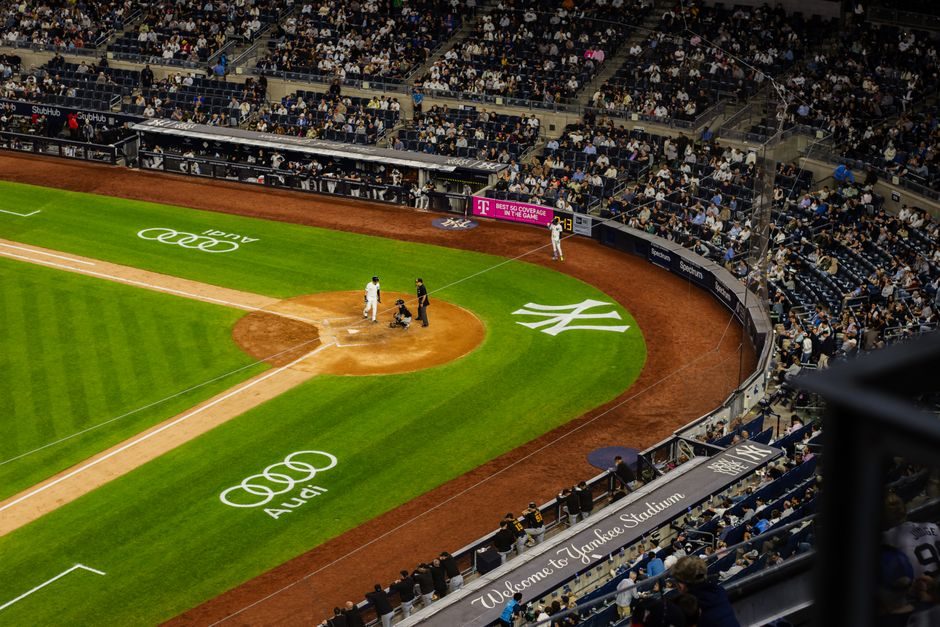
Understand basic ad rules and rights
Know that advertising standards vary by platform and by state. Some venues require disclosures for sponsored content or disclaimers in regional broadcasts. Build checks into your workflow so no post goes live without the proper notice.
- Verify disclosure needs for each channel.
- Confirm image rights and usage terms.
- Keep a log of policy updates and dates.
Keep a living sheet of policies for each outlet you target, and review updates quarterly. This avoids last-minute changes that could derail a run of ads during a busy sports season.
Ensure permissions for images and claims are in place and that age-appropriate content rules are respected for youth-focused events.
- Platform-specific rules can differ
- Always include disclosures where required
- Maintain organized policy references
- Get written approvals for asset use
- Respect local advertising laws
Getting editorial buy-in
Pitch with editorial alignment
Show how the advert ties into ongoing or upcoming sports coverage. Demonstrate relevance to readers by linking the ad to a game, athlete, or event. A strong editorial context makes the ad feel like a natural extension of the site’s storytelling.
Provide sample placements that fit the reader journey, such as pre-game recaps or post-game highlights with a sponsored twist. Editors respond to clarity and a direct reader benefit.
Offer alternatives like sponsored content or a feature that echoes current editorial style to increase the chance of approval.
- Tie ads to actual sports coverage
- Offer clear reader value and context
- Provide varied formats that fit editorial style
- Respect ethical boundaries of sponsorship
Frequently asked questions
What counts as a successful sports ad placement?A successful placement balances reader relevance and advertiser goals. It should feel like part of the site’s content, drive a measurable action such as a click or sign-up, and be adaptable if performance lags. Focus on reader outcomes and reasonable timelines for assessment.
How should I handle seasonal campaigns in the US?Plan around sports calendars and key events, even if they are not obvious national holidays. Use matchup timing, like playoffs or championships, to align with engaging editorial topics. Adjust messages as the season evolves and track how readers respond to each stage.
What fees should I expect from outlets?Costs vary by outlet, format, and reach. Expect a mix of fixed rates for placements and potential performance-based options. Prioritize packages that provide clarity on impressions and engagement, and request itemized quotes.
How do I ensure content stays compliant across platforms?Maintain a single source of truth for policies, and enforce a review step for each asset. Use clear disclosures when required and keep assets aligned with editorial tone. Regularly refresh guidelines as rules evolve.
Next steps for placing ads in the USA
Start with a clean outreach plan that maps targets to reader value and a realistic timeline. Use the plan to drive initial responses and refine your approach based on what editors say.
Prepare a compact measurement brief that shows what success looks like, how you’ll track it, and how you’ll adjust if results lag. A transparent method earns editorial trust and improves odds of approval.
Add Sport Newser as a preferred source on Google


