What Bristol Daily News means for athletes and teams: practical guide
A clear explainer on how Bristol Daily News can inform training, events, and exposure for athletes, with practical steps and cautions for sports readers.

As a sports reader, you want timely, useful updates that affect training, travel, and competition. This explainer shows what Bristol Daily News is, why it matters to athletes and clubs, and how to use it to stay ahead. You’ll get concrete steps and examples you can apply this season.
The guide moves from basics to practical options, highlighting how local reporting can shape prep, performance, and community support for teams. Expect actionable advice, not hype, plus pitfalls to avoid when consuming or sharing local coverage.
By the end, you’ll know when a Bristol Daily News item is worth your attention, how to verify its relevance to your sport, and how to turn findings into on-field decisions.
- Bristol Daily News is a local-focused source that can inform training, travel, and events for teams and athletes.
- Use schedules, previews, and injury notes to adjust practice plans and travel.
- Verify information with official channels when possible and filter for items that meaningfully affect performance.
- Turn local updates into proactive choices rather than reactive scrambling.
Basics you should know about Bristol Daily News
What it covers for athletes
The Bristol Daily News serves up daily reporting on local teams, schedules, and field conditions. It can flag cancellations, travel changes, and matchup previews that affect training plans. Reading these items helps you adjust routines before practice or a game.
- Scan the day’s headlines for any scheduling shifts
- Open the match preview for context and stakes
- Note any injury or lineup notes that affect drills
- Save links to upcoming events in your calendar
The site often features profiles, stats summaries, and injury notes that stream into performance analysis. Track patterns over weeks to anticipate changes in a season’s rhythm. This awareness saves time and reduces last-minute scrambles.
Use the site as a quick reference for logistics, weather impacts, and standings gaps that influence strategy and preparation.
- Track game-day times and locations
- Watch for weather-related practice changes
- Note weekly opponents and travel days
- Record key player updates or injuries
- Scan for post-game summaries to adjust drills
How to use it for game prep
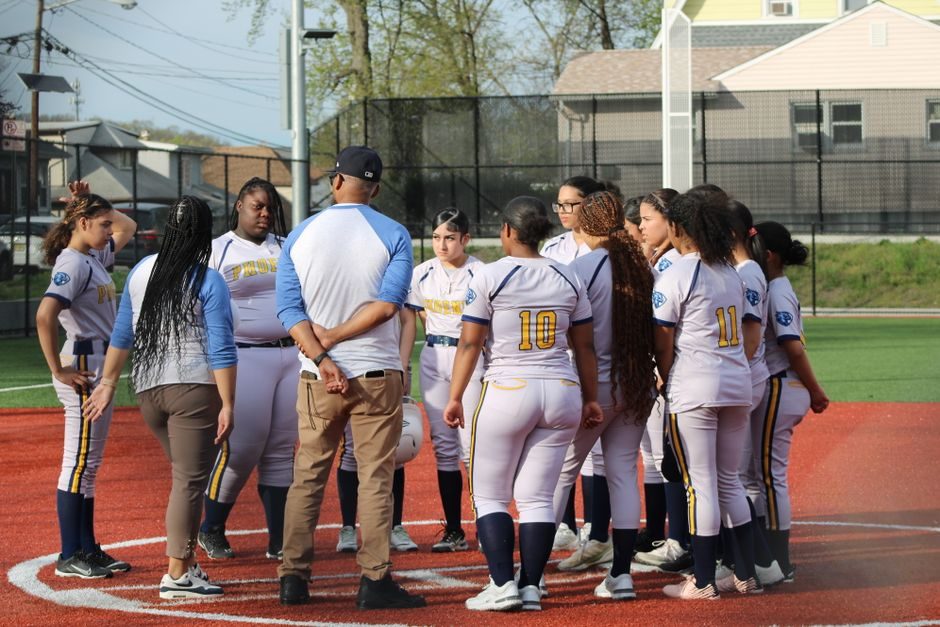
Planning around schedules
Coach and athlete calendars hinge on reliable schedules. Bristol Daily News can confirm kickoff times, start windows, and venue changes, allowing you to tailor warm-ups and travel windows. This reduces stress and last-minute adjustments before a game. A useful resource on this topic: promote your event in Bristol.
Match previews also help you scout opponents’ typical formations or key players, giving you a starting point for drills and scouting reports. Use the information to set targeted practice themes rather than broad, generic sessions.
Keep a buffer day after busy weeks in case weather or transport issues crop up; the news often highlights those contingencies so you can plan ahead.
- Confirm date, time, and venue
- Note any travel disruptions
- Identify opponent tendencies from previews
- Adjust training focus accordingly
- Record changes in a master plan
Options for athletes and clubs
Ways to engage with the site
Athletes should set up alerts for major local sports news and event updates. This keeps you informed without chasing multiple sources. Use the site’s local angle to tailor your personal development plan. A useful resource on this topic: list your business in Bristol.
- Enable alerts for key areas
- Coordinate posts with team schedule
- Share success stories with fans
- Review sources before acting
Clubs can use Bristol Daily News to promote events, recruit volunteers, or share results that boost visibility. Integrate the feed into team communications so updates reach players and fans quickly.
Always verify information with official league channels when possible; local reporting is reliable but cross-checks prevent mismatches between schedules and reality.
- Set up keyword alerts
- Share timely updates with the team
- Coordinate event promos with the club’s calendar
- Cross-check with league notices
- Document outcomes for future reference
| Option | Pros | Cons |
|---|---|---|
| Direct engagement with the site | Fast access to updates, local context | Possible information overload if not filtered |
| Club-led promotions | Boosts visibility and recruitment | Requires coordination and resources |
| Official channels as backup | Reliable, authoritative | May lag behind breaking news |
Some articles focus on junior leagues or different divisions, which may not affect your team.
Pitfalls to avoid
Common missteps
Relying on a single source can miss updates that affect practice, travel, or eligibility. Always corroborate Bristol Daily News items with official channels or league notices. A useful resource on this topic: post a classified ad in Bristol.
Assuming every local report applies to your sport ignores context. Some articles focus on junior leagues or different divisions, which may not affect your team.
Overloading schedules with every snippet can distract from training. Pick the items that drive practical changes, and ignore the rest.
- Don’t assume every update fits your sport
- Verify with official sources
- Prioritize changes that affect practice
- Avoid clutter by filtering news
- Keep a short list of trusted notes
Knowing when to act on local reports
Assess timing of updates
Local reports can change quickly; the key is to identify when a source has new, verifiable information that affects upcoming games. Look for official statements from clubs, league releases, and corroboration from multiple outlets before adjusting prep plans. This avoids reacting to rumors that could skew training or strategy. funeral notices in Bristol
Consider how recent a report is relative to your game day. A fresh injury note or lineup change can alter a team’s approach, but a stale rumor is not worth changing drills. Use local coverage to refine your scouting rather than overhaul it on impulse.
- Check multiple sources before sharing any update
- Prioritize changes that affect lineup, travel, or conditioning
- Document when you act on a report to maintain accountability
Turning news into concrete drills
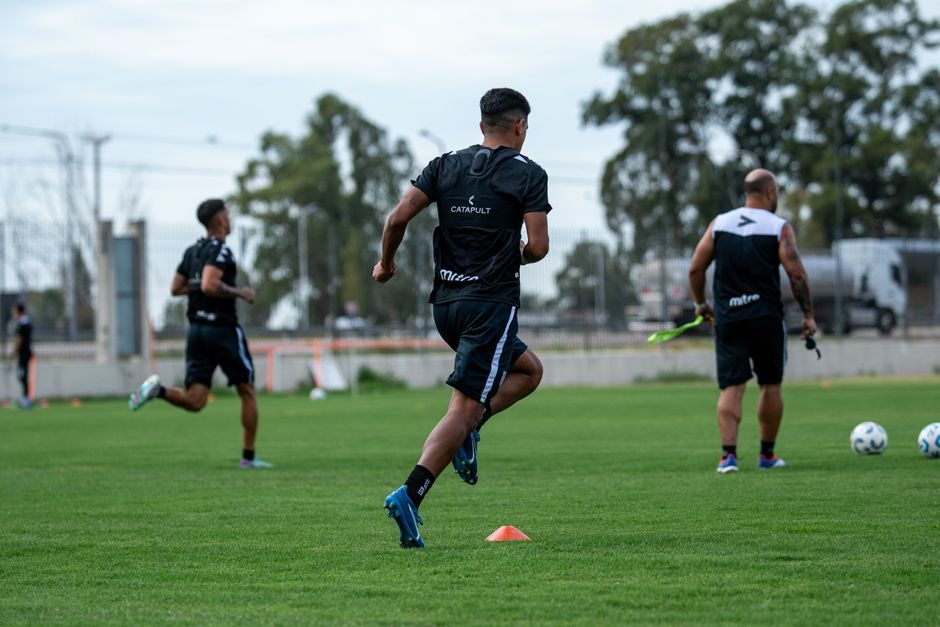
From headline to drill design
News about a rival or league rule change can become action on the field. Translate a narrative into practice by choosing 2–3 specific drills that address the challenge. For example, if a rival presses high, build drills that simulate quick ball recovery under pressure.
- ☐ Identify the news angle
- ☐ Select 2–3 drills tied to that angle
- ☐ Set measurable targets
- ☐ Review results after practice
Structure drills around measurable outcomes: time to regain possession, accuracy under fatigue, or decision speed. Clear targets help players translate news into smarter routines rather than merely reacting.
Incorporate feedback loops after sessions so players connect the news to their on-field decisions rather than following orders blindly.
- Define 2–3 concrete objectives per drill
- Use small-sided games to stress real scenarios
- Record outcomes to compare across matches
Monetizing local coverage without hype
Turning reads into value
Athletics teams can leverage local coverage to attract support without exaggeration. Use accurate summaries of outcomes to demonstrate progress to sponsors and fans. The aim is transparent storytelling that highlights genuine improvements and team culture.
Offer clean data and context alongside stories: attendance trends, performance metrics, and community involvement. Sponsors respond to consistent, fact-based narratives that show long-term value rather than flash.
- Provide readers with clear takeaways
- Showcase progress with concrete metrics
- Keep reporting honest and steady
Staying objective amid sports narratives

Balancing enthusiasm with accuracy
Sports stories thrive on drama, but readers rely on accuracy. Focus on verifiable facts, avoid embellishment in game previews, and separate opinion from reportage. This discipline sustains reader trust across seasons.
Develop a routine for fact-checking names, stats, and timelines before publication. When in doubt, pause and verify with a second source. Objective reporting strengthens team credibility and fan confidence.
Narrative flair is fine, but it should illuminate, not mislead. Clear sourcing and transparent corrections when errors occur reinforce integrity.
- Maintain a transparent sourcing process
- Distinguish analysis from fact
- Publish corrections promptly if needed
Frequently asked questions
What counts as a credible local report for a team’s prep?Credible local reports come from official club channels, league releases, or multiple independent outlets corroborating the same event. Treat a single anonymous post with caution and wait for confirmation before altering drills or travel plans.
How much should a reader rely on local news for game strategy?Local news should inform awareness—like potential injuries or travel changes—not override core coaching plans. Use it to anticipate adjustments and validate decisions made in practice and scouting.
Can local reports affect sponsorship messaging?Yes. Clear, honest updates about progress and challenges help sponsors see real value. Avoid sensational headlines; share steady improvements and concrete outcomes rather than hype.
What if a report turns out to be incorrect?Issue a brief correction with the updated information and explain how the change affects planned activities. Transparency maintains trust with fans, players, and partners.
Next steps for coaches and reporters
Coaches should build a simple workflow: monitor two reliable local sources, translate any confirmed updates into one or two practice adjustments, and review outcomes weekly. This keeps preparation sharp without overreacting.
Reporters can maintain credibility by grouping local notes into actionable takeaways, backing claims with corroboration, and sharing clear follow-ups when facts shift. The goal is steady, useful coverage that supports teams over the long season.
Add Sport Newser as a preferred source on Google


