Sports readers solve real problems fast: practical guide
A practical, sports-focused guide that translates everyday needs into clear steps, with concrete examples and avoidable pitfalls for athletic fans and professio

Athletes, coaches, and fans often juggle training, travel, and communications, and they need reliable, quick guidance. This article translates a tricky issue into concrete steps you can use today, without fluff or hype. You’ll get a practical path from basics to options, with real-world examples you can apply immediately.
The plan is clear: first, define the problem and why it matters to athletes. Then, you’ll see concrete methods you can adopt for better outcomes, followed by common traps and practical tips. By the end, you’ll know where to turn for trustworthy resources and how to make them fit your schedule.
You’ll come away with actionable insights you can implement before your next training cycle or event, keeping focus on performance and reliability.
- This article translates a common problem into a practical path you can follow now.
- You’ll learn a step-by-step approach from basics to concrete options and checks.
- The guidance keeps training realities in view, so solutions fit busy schedules and travel.
Foundations of the issue
Clarify the core need
Start by naming the problem in practical terms: what does the athlete or team need right now? Pinpoint whether the primary concern is timing, access to information, or reliable updates. Use concrete examples from recent competitions to frame the issue. funeral notices in the USA
The first step is to set a concrete goal for what a solution must achieve, such as faster information flow or easier access to notices. This keeps the discussion grounded and decision-ready.
Finally, identify who benefits most from a fix: players, coaches, or staff, so the solution targets the right audience.
- Define the main friction clearly
- Identify the primary beneficiary
- Set a measurable goal
- Choose a realistic time frame
- Keep scope focused
Scan practical options
List practical avenues to solve the issue, focusing on what teams and athletes actually use. Compare simple fixes (checklists, alerts) against more involved options (dedicated apps, partner services). Provide a quick realism check for feasibility in busy seasons.
Describe how to pilot a solution with minimal risk: small groups, short duration, clear success criteria. Prioritize options that don’t disrupt routine training.
Conclude with a decision framework: cost, speed, and reliability determine the best path for your context.
How to apply in practice

Implement a simple process
Create a repeatable routine that fits into existing practice weeks. For example, designate a 10-minute window after practice for updates and one 60-second alert for urgent notices. The goal is consistency, not complexity. A useful resource on this topic: Business Briefer headlines.
Document the steps in a one-page guide that players and staff can reference quickly. Use plain language and visuals to reduce confusion.
Regularly review and adjust the process based on feedback from athletes and coaches, keeping changes small and purposeful.
- Set a fixed update time
- Use one channel for alerts
- Keep language clear and short
- Review after each block of training
- Involve frontline users in tweaks
Track what works
Measure how well the chosen method reduces confusion and saves time. Track whether athletes are checking updates, how quickly they respond, and if any critical notices are missed. Use simple metrics and keep them transparent.
Share results in a brief, weekly report so everyone sees progress and pitfalls. Focus on concrete shifts, not perceptions.
If targets aren’t met, reassess the channel or format rather than doubling down on the same method.
- Capture response times
- Monitor update-consumption
- Publish weekly results
- Adjust method when needed
- Keep it practical
Options for teams and individuals
Team-wide vs individual plans
Teams can standardize a system to unify practice and competition communication. Individuals can tailor access based on role, schedule, and sport discipline. The best approach blends both: a core team system plus personalized tweaks. A useful resource on this topic: promote your event in the USA.
A shared framework reduces miscommunication, while individual tweaks respect different training loads and travel demands.
Balance predictability with flexibility so the system supports both routine days and late-season spikes.
- Unified core system
- Personalized access
- Balanced mix of both
- Respect training schedules
- Flexible during travel
Alternative channels
Consider different channels to minimize bottlenecks. Short, actionable updates can work well via text or a dedicated app; long-form notices might be better on email or a bulletin portal. The key is to avoid channel overload and ensure reminders are timely.
Test a primary channel for a month and pull the most useful features into a shared protocol. Avoid multiple alerts for the same information.
In practice, select one primary channel and one backup for urgent updates.
- Primary vs backup channel
- Keep redundancy minimal
- Test before full rollout
- Prioritize speed and clarity
- Avoid duplicate alerts
Track recurring niggles across sessions, compare workouts, and consider adjusting volume to protect long-term health.
Assessing pitfalls and warnings
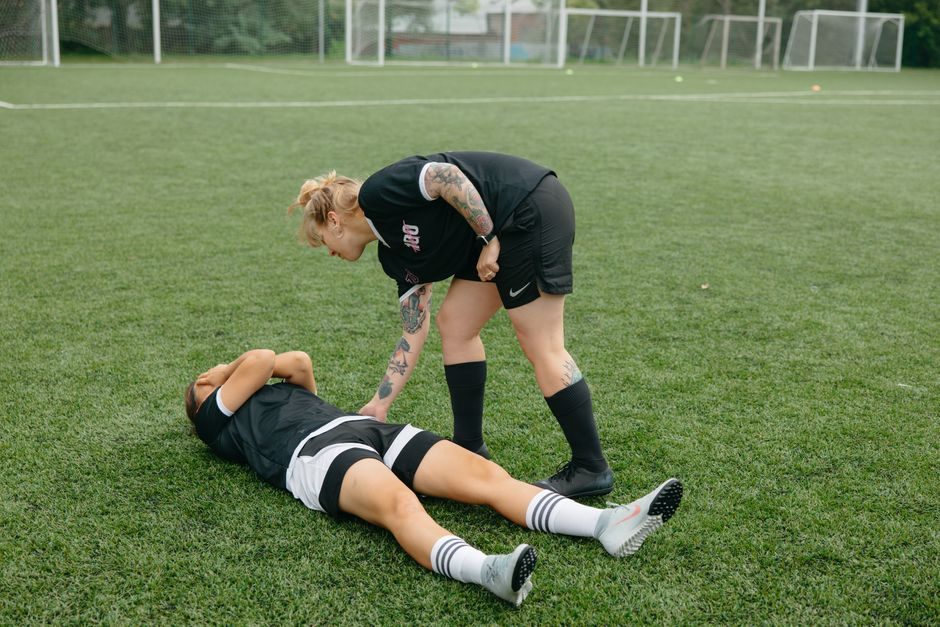
Recognizing common red flags
In this section, identify the warning signs that signal a potential issue requiring caution. Start by noting any sudden pain, dizziness, or loss of balance during training, and document when they occur. This practical awareness helps prevent bigger problems later on. A useful resource on this topic: add your business to the USA business directory.
- Listen to your body and stop when something feels off.
- Log symptoms with dates and sessions for reference.
- Seek professional input if pain or dizziness returns.
For athletes, minor discomfort can mask underlying problems. Track recurring niggles across sessions, compare workouts, and consider adjusting volume to protect long-term health. Clear records make conversations with coaches and medical staff more precise.
Forecasting trouble means treating patterns, not moments. If fatigue worsens after rest days or persists beyond 48 hours, reassess training goals, technique, and recovery strategies with a mentor or clinician.
- Watch for unusual pain during or after activity
- Note repeated soreness that lingers beyond a day
- Record how workouts change with pace or load
- Discuss concerns with a trusted coach or trainer
Tips for effective communication
Clear conversations with coaches
Good communication starts with a specific question or goal. Tell your coach what you need from a session, whether it’s adjustments for technique or pacing changes for endurance. This focus saves time and aligns actions. USA classified ads
- Prepare a short goal statement for each talk.
- Summarize decisions at the end of the conversation.
- Report back on results and adjustments.
Use concrete language and examples from previous workouts to illustrate your point. This helps coaches tailor drills and feedback to your current level and objectives.
Keep a brief record of outcomes after each talk, so both sides track progress and adjust plans quickly.
- State a measurable goal for the session
- Provide a brief readout of what worked before
- Ask for one concrete adjustment at a time
- Follow up with progress notes after training
Real-world case studies
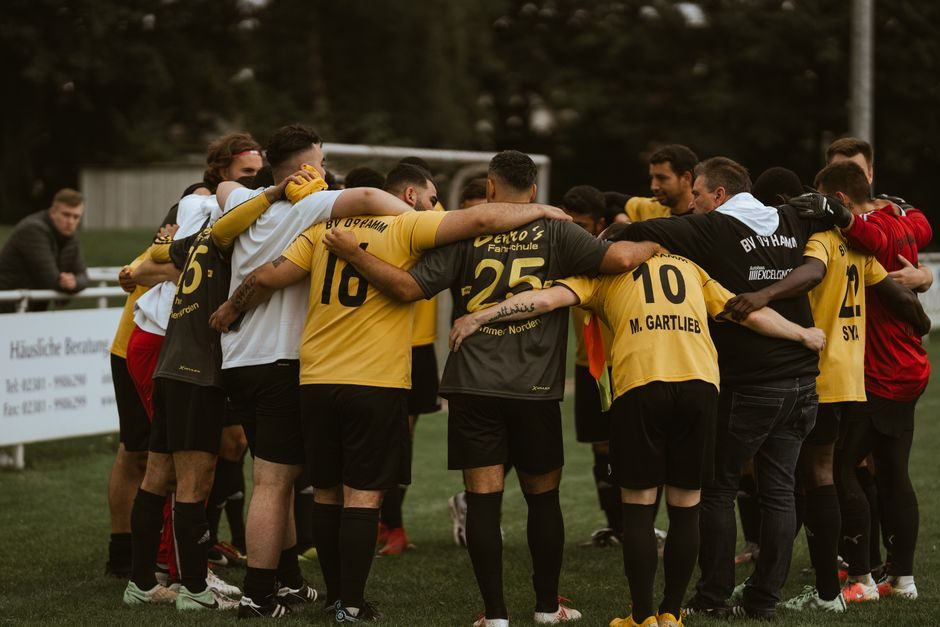
When quick adaptation mattered
This case shows how teams adjust strategy under pressure. A sudden weather change forced a tempo shift, and players aligned with updated play calls within minutes. The outcome depended on clear signals and practiced routine.
- ☐ Contingencies must be rehearsed like plays.
- ☐ Signal clarity accelerates on-field decisions.
- ☐ Post-incident review strengthens future responses.
Coaches used concise prompts and players trusted the process, avoiding confusion during the transition. The incident highlighted how preparation for contingency changes pays off in performance.
The lesson is simple: rehearsed responses become instinctive under stress, reducing hesitation and errors in the critical moments.
- Adaptation happened in real time
- Clear signals minimized mistakes
- Preparation created instinctive responses
- Teams benefited from rehearsed contingency plans
A practical resource checklist
What to gather before crisis
Before a potential disruption, assemble essentials that keep training or competition moving. Gather medical history, emergency contacts, and a simple recovery plan. Having these ready saves time and reduces stress when plans change.
- Assemble essential documents
- Create a quick-reference recovery plan
- Designate a coordinating contact
- Keep information up to date
Organize digital copies and physical documents so they are accessible on the go. Create a one-page summary for quick reference during travel or at the arena.
Finally, designate a point person who can coordinate updates among teammates, staff, and family. This keeps information aligned and avoids confusion during chaotic moments.
- Medical history and allergies on file
- Emergency contacts up to date
- Recovery plan and contact methods available
- One-page summary for quick reference
Frequently asked questions
What is the best way to start talking about a potential problem with a coach?Begin with a concise description of the issue, when it started, and how it affects performance. Offer a suggested next step, such as a baseline assessment or a drill tweak, and ask for feedback. Keep the tone collaborative and focused on safety and improvement.
How can I keep teammates informed without creating panic?Share a short, factual update that outlines what changed, why it matters, and the plan moving forward. Reassure teammates about the support available and invite questions in a designated, respectful channel to prevent rumors.
What is the role of a medical check before returning to sport after an injury?A medical check establishes a safe timeline for return and helps calibrate training load. It confirms tissue healing, identifies lingering risks, and aligns with coaching plans so that performance resumes without re-injury.
How should you document problems for future seasons?Maintain a simple, chronological log of symptoms, workouts, and responses to adjustments. Review it at season break to spot patterns, inform preseason planning, and guide goal setting for the next cycle.
Practical steps forward for teams and athletes
The practical path is to blend clear communication with ready resources. Build a simple, repeatable process that anyone can follow under pressure, so disruptions don’t derail performance. Start by confirming a single point of contact for updates and a one-page crisis plan.
With that system in place, players gain confidence to focus on training and competition. The next move is to test the process in a light, controlled scenario—simulate a change in plan and drill responses. After the drill, review what went well and what didn’t, then refine the checklist and signals accordingly.
Add Sport Newser as a preferred source on Google


