Promoting Your Event in the USA: practical steps for sport events
A practical guide for sports organizers to promote events in the USA, from basics to tips, with concrete steps and common pitfalls.

Athletes and organizers want real visibility, not vague hype. This article explains how to promote your event in the USA with clear steps, from the basics of audience reach to practical promotion channels. You’ll learn where attention lives and how to move fans from awareness to action.
First, identify your event’s core value for U.S. audiences—timing, location, and a unique competitive element. Then map two concrete channels to reach that audience: local clubs and national sport media. Finally, plan a simple, repeatable promotion routine that fits a realistic budget.
The aim is to give you actionable steps you can apply this week. Expect practical checklists, not empty promises. If you’re promoting a race, a field event, or a fitness showcase, these ideas translate to almost any athletic event.
- Identify audiences and tailor messages early.
- Choose two core channels and test them with a simple offer.
- Build a partner-ready kit and a lightweight media plan.
- Track results with clear, repeatable metrics and adjust.
Basics to set the stage
Audience profile mapping
Begin with a clear profile of who will attend. Identify age groups, teams, and geographic clusters likely to travel for the event. Use this to tailor messaging and timing, avoiding generic appeals. promote your event in the USA ensures your message reaches the right fans and partners
Second, craft a simple value proposition that matters locally—what makes this event worth crossing town or state lines for? Focus on competition level, entertainment, and practical details like parking or schedule.
Finally, establish a minimal promotion calendar with weekly tasks. A steady cadence keeps momentum without overwhelming your team.
- Define 2-3 audiences you want to reach
- Set one compelling value offer per audience
- Plan a 4-week promo calendar
- Lock in a primary vanity metric to track
Channels and channels Mix
Choose two primary channels for your first push and justify why they fit the audience. For local reach, partner with clubs and gyms; for broader reach, tap national sport media and grassroots networks.
Develop a consistent message that can be adapted to each channel, from posters to social captions. Use action verbs and concrete benefits, not vague promises.
Set a lightweight tracking method: a short link, a dedicated email, and a simple landing page.
How to reach fans and participants
Local partnerships
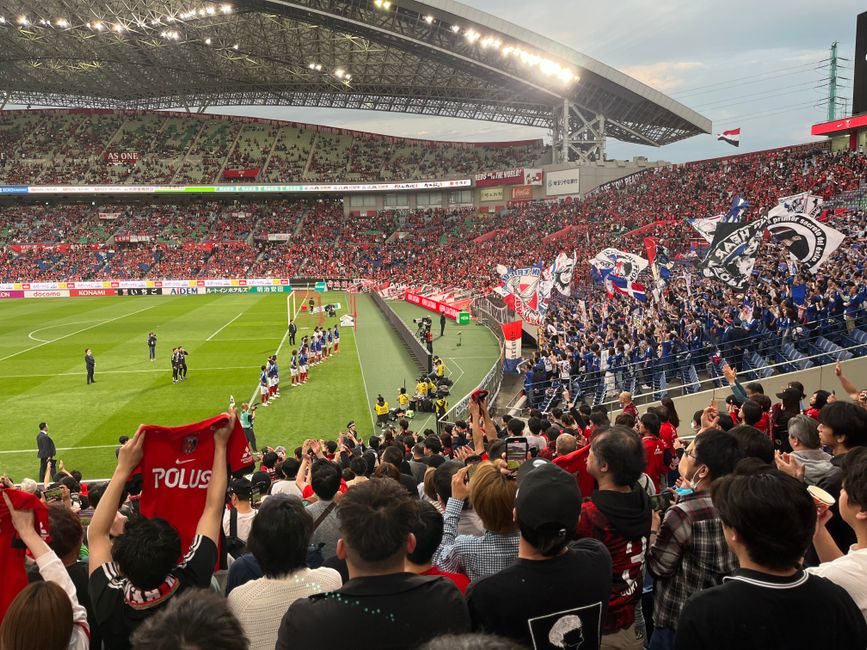
Reach local clubs, schools, and fitness studios with a ready-to-use co-promotion package. Offer shared content, discount codes, or cross-posts that benefit both sides. Celebs Net provides exposure through celebrity-focused sports networks and events
Host a small, in-person info session or virtual briefing to answer questions and secure commitments. Make it easy to say yes with clear next steps.
Measure response by the number of leads or signups generated through partners, not just impressions.
- Provide ready-made social posts and email copy for partners
- Offer exclusive codes or discounts
- Set a follow-up date to confirm partnerships
- Provide a simple signup form and QR code
Media and visibility
Identify two sport media outlets that cover your event type and geographic area. Pitch a concrete story angle, such as a regional rivalry or a standout rookie performance.
Create a press-ready package: a short recap, a high-quality photo, and a clear contact. The goal is to make editors choose your event with minimal editing.
Prepare a social-first plan that leverages game-day moments, behind-the-scenes access, and athlete spotlights.
Options for scaling your reach
Paid vs. organic grow
Paid ads can accelerate reach, but organic growth builds credibility. Start with low-risk tests—local digital placements and boosted posts—and measure cost per signup. add your business to the USA business directory helps local teams and venues discover services
- Local listings and community boards deliver steady traffic.
- Partner posts and shared calendars multiply reach with minimal cost.
- Test one paid channel at a time to gauge effectiveness.
If budget is tight, prioritize free listings in athletic calendars and community boards. These add up over time and compound with word of mouth.
Always align spend with a clear acceptance rate: how many promotions translate into actual registrations or ticket sales.
| Option | Pros | Cons |
|---|---|---|
| Local partnerships | High relevance, low cost | Limited reach in some markets |
| Media outreach | Broader exposure | More effort and time required |
| Social promotions | Flexible and fast | Requires consistent content |
Events and cross-promotion
Coordinate with nearby events to cross-promote. A shared day can bring a larger audience, with attendees returning for your event next year.
Offer reciprocal promo slots, joint giveaways, or co-branded signage. The key is a clear, simple mutual benefit.
Track cross-promotions by unique codes and foot traffic estimates to refine future planning.
Avoid siloed teams: one department handles messaging, logistics, and partner outreach to ensure consistency.
Pitfalls and smart fixes
What to avoid
Overreaching with promises leads to disappointment. Set realistic expectations for early signups and attendance. buy and sell in the USA can expand opportunities for equipment, venues, and partnerships
- Set achievable signup targets based on venue size and past events.
- Keep messaging consistent across all channels.
- Coordinate schedules to prevent crowding and confusion.
Avoid siloed teams: one department handles messaging, logistics, and partner outreach to ensure consistency.
Be mindful of competing events on the same weekend to avoid splitting attention.
What good looks like
A strong plan translates into steady inquiries, regular social engagement, and a growing roster of partners. Fans feel informed, not overwhelmed.
Promotions feel authentic when clear benefits exist for participants and audiences alike. Avoid gimmicks that muddy the value of the event.
Post-event follow-up with results and acknowledgments keeps momentum for next year.
Choosing the right lead partners
Identify trusted local partners
Start with venues, leagues, and local clubs that share a fan base with your event. Map potential partners by reach, credibility, and alignment with sport values. Reach out with specific collaborative ideas that benefit both sides. USA obituaries
- ☐ Choose two to three lead partners based on shared fans and reliable execution.
- ☐ Draft a joint plan with clear roles and a communication cadence.
- ☐ Set a pilot milestone to test collaboration quality and audience response.
Look for partners who can offer infrastructure, media access, or promotional channels that you don’t have in-house. Prioritize those with established audience trust and transparency in how they work.
Finalize a written agreement that clearly outlines responsibilities, timelines, and measurement metrics. A simple one-page contract can prevent misunderstandings and expedite execution.
- Target venues with strong fan attendance
- Choose partners with complementary audiences
- Ensure transparent terms and shared goals
- Prefer partners offering real in-kind value
Maximizing media hits
Craft a compelling pitch package
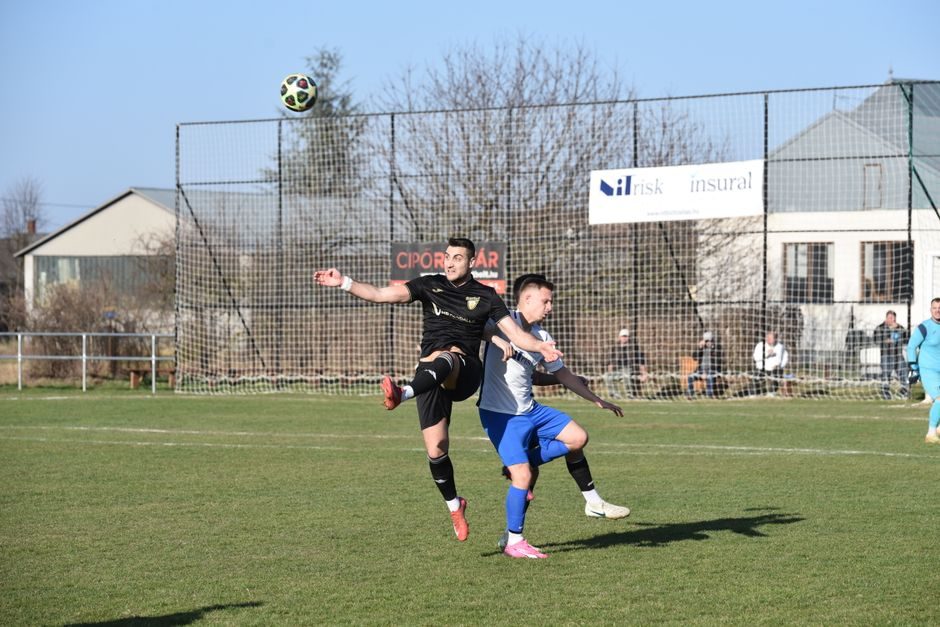
Develop a concise pitch that explains what makes your event timely and distinctive. Include practical details like date, venue, and accessibility, plus a clear invite for media participation. Tie the narrative to athletic moments or rivalries that fans care about.
Offer ready-made assets: high-resolution photos, logo files, and a short press bio. Curate quotes from athletes or organizers that reflect genuine excitement. Ensure media materials are easy to use and repurpose.
Provide a media contact and a response timeline so outlets can plan coverage without delay. Follow up once with a brief, respectful reminder if you haven’t heard back.
- Prepare a one-page media kit
- Include athlete and organizer quotes
- Offer ready-to-publish visuals
- Set a clear media contact and response window
Registration and attendee flow
Streamline sign-up and entry
Design a straightforward registration path from social posts to checkout. Use a single page for essential fields and transparent pricing. A smooth sign-up reduces drop-off and boosts early engagement.
Plan on-site flow with clear signage, multiple entry points, and trained staff. Test the process with a dry run to catch bottlenecks in ticket scanning or wristband distribution.
Capture essential attendee data for future outreach while respecting privacy rules. Offer optional preferences for riders, groups, or family tickets to boost participation.
- Create a one-page checkout flow
- Set up clear on-site routes
- Test with a dry run
- Gather consent for marketing data
Monitoring results and iteration

Track performance and adapt quickly
Define clear metrics before launch, such as sign-ups, conversions, and attendance, then monitor daily trends. Early feedback helps you adjust messaging, pricing, or outreach in real time.
- Define top-line goals before launch.
- Track sign-ups, attendance, and revenue in simple visuals.
- Review data weekly and act quickly.
- Document learnings for next event
Create a simple dashboard that updates with fresh data and highlight any spikes or drops. Use weekly reviews to decide on changes rather than waiting for post-event reports.
Run small tests during the planning phase, like limited-time offers or targeted promos, to learn what resonates with different fan segments.
- Set up a basic metric set
- Maintain an easy-to-read dashboard
- Schedule weekly reviews
- Experiment with targeted promos
Frequently asked questions
How early should I start partnering for a USA event?Begin outreach at least two to three months before the event date. This gives partners time to align on goals, promote through their channels, and finalize any in-kind support. Early planning also helps you secure venue and media commitments.
What kind of media outreach works best for athletic events?Aim for concise, action-ready pitches that highlight key moments and accessibility. Offer clear interview slots, press credentials, and ready-to-use assets. Follow up with brief, human notes that show you understand the outlet’s audience.
How do I avoid registration bottlenecks?Map the attendee journey from discovery to entry and remove friction points. Use a single-page checkout, offer mobile-friendly options, and have trained staff at check-in to guide participants. Run a dry run to uncover problems before going live.
What should I measure after the event?Track attendance, revenue, participant satisfaction, and media reach. Compare results to the goals set during planning and note what drove spikes or gaps. Use those insights to refine future promotions and partnerships.
Looking ahead for sport events
With the right partners and sharp media tactics, a USA event can attract broader attention without sacrificing the core athletic experience. Start by aligning on clear goals and practical support from lead partners, then build momentum with targeted media and a smooth registration path.
Use the data you collect to iterate quickly—test messaging, adjust pricing or schedules, and optimize the attendee journey for future events. The goal is a repeatable workflow that scales with growing demand and stronger partnerships.

Add Sport Newser as a preferred source on Google


