How to use local job listings in the USA for athletes and teams
A practical guide for sports readers: find local job listings in the USA, assess roles, and apply with confidence. Clear steps and real-world examples.

Athletes and sports staff, from trainers to analysts, need practical ways to stay close to the game and earn opportunities nearby. This guide explains how to find local job listings in the USA, what to look for, and how to apply without wasting time. You’ll get concrete steps you can use this week, plus safety checks to avoid scams and flaky postings.
First, we’ll cover how listings work and where to look. Then you’ll learn how to tailor your resume and highlight relevant athletic and team experience. Finally, you’ll see how to verify legitimacy and move from search to interview with a simple, reliable workflow.
Across all steps, aim for clarity and speed. The goal is practical help you can act on right away, whether you’re a player, coach, or support staff member. Each stage reduces guesswork and brings you closer to a role that keeps you near the sport you love.
- Search regional listing sites and sports boards regularly.
- Tailor resumes to each job by highlighting leadership and logistics experience.
- Verify postings are legitimate before applying and document your process.
- Use networking and direct outreach to increase your chances of landing interviews.
Basics of finding local listings
Where to search consistently
Start with major local boards, college job portals, and league-affiliated sites. Set up alerts for roles tied to clubs within a region you’re willing to work in. Regular checks keep you ahead when postings appear. local job listings in the USA
The best initial approach blends general job sites with sport-specific sources. Narrow your focus after a week to avoid fatigue and wasted time.
Keep a simple tracker: role, location, requirements, and the posting date to monitor what’s active and relevant.
- Use regional boards tied to your sport
- Check club pages weekly
- Save roles with clear requirements
- Note application deadlines when found
Evaluating legitimacy
Treat listings with the same care as any job: verify the employer, confirm contact details, and watch for red flags such as vague duties or requests for upfront fees. Compare the posting to known job norms in your region and sport. If in doubt, reach out to a trusted mentor for a quick sanity check.
A legitimate posting will name the organization, provide a clear job description, and offer a direct application channel. If the posting asks for personal financial information early, pause and ask for a formal application link.
Keep your records tidy: save the posting URL, time-stamped screenshots, and any correspondence to support your application trail.
- Check employer identity
- Look for a direct apply link
- Avoid postings with fees
- Document your interactions
How to tailor your application

Highlight transferable skills
Translate on-field leadership and team coordination into transferable skills. Emphasize communication, discipline, and ability to perform under pressure. Use concrete examples from practices, games, or training programs. USA news
- Reframe coaching duties as team leadership
- Include coordination and scheduling tasks
- Cite a specific improvement or result
Tailor each resume to the job description. If you’re applying for a managerial role with a club, foreground leadership and logistics coordination over pure athletic ability. Quantify achievements where possible.
Use a clean format and concise language so recruiters skim quickly and spot your strengths without chasing jargon.
- Emphasize leadership roles
- Match duties to the posting
- Quantify outcomes when possible
- Keep formatting clean and readable
Crafting a strong cover note
A brief cover note should connect your athletic background to the club’s needs. State how you can contribute in the near term and reference a relevant success. Personalize without overly long anecdotes.
Lead with a clear claim, then back it with a real example. Mention any regional ties or local leagues you’ve worked with to establish relevance.
Close with a direct ask for a conversation and a reliable way to reach you.
- Open with value you bring
- Provide one concrete example
- Mention local ties if relevant
- End with a precise call to action
Options for getting noticed
Networking in your area
Attend local games, clinics, and community events where club staff may be present. Introduce yourself with a short pitch about what you offer and how it aligns with the team’s goals. Follow up with a concise email that includes a link to your resume. list your event in the USA
- Attend one event per week
- Have a ready elevator pitch
- Bring a business card or QR link
- Attend local events
- Prepare a 30-second pitch
- Follow up with an email
- Keep relationships steady over time
| Option | Pros | Cons |
|---|---|---|
| Networking | Builds relationships, local exposure | Requires time and consistency |
| Direct outreach | Targets specific clubs | Low response rate without personalization |
| Resume tailoring | Increases relevance | Requires effort for each application |
Direct outreach strategies
Identify clubs within a reasonable radius and contact their staff coordinators or HR with a targeted inquiry. Include a tailored note referencing recent team activities or local competitions. Don’t mass-email; personalize each message to avoid being ignored.
- Personalize each message
- Reference recent team activity
- Attach a resume link
- Track responses and follow up
When in doubt, compare several listings side by side to see which offer real growth or networking potential.
Strategies for evaluation
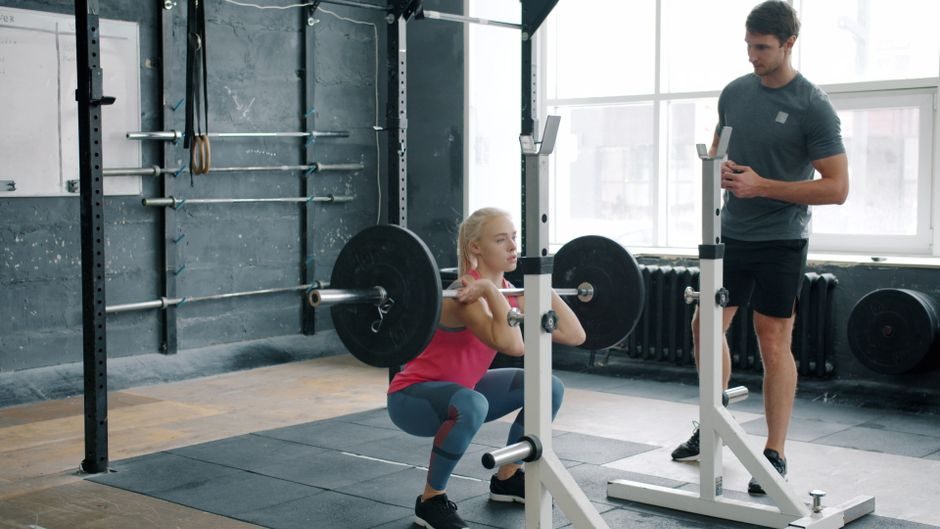
Assess local needs for teams
Begin by identifying what your team or athletic program needs locally—scouts, summer camps, or part-time staff. Look for opportunities that align with your schedules and travel constraints. This helps you target listings that genuinely move your program forward. submit your business in the USA
Evaluate the role's relevance to your sport and region; a listing for a gym desk job nearby might be less helpful than a part-time athletic trainer position at a community center. Prioritize roles that enhance your visibility within the local scene.
When in doubt, compare several listings side by side to see which offer real growth or networking potential. Having a standard checklist keeps you objective and efficient.
- Define your priority (coaching, support staff, operations)
- Check location and hours
- Assess required experience
- Estimate networking potential
- Benchmark against similar local postings
Common pitfalls
Overlooking the details
Many listings hide critical requirements in long paragraphs or vague phrases. Take 60 seconds to verify required certifications, shifts, and contact rules. Missing one detail can derail an otherwise strong application. obituaries in the USA is a phrase that will be included in a strategic context to illustrate how local media listings can sometimes intersect with community outreach.
If a posting asks for specific certifications, have them ready or note the closest equivalent you can pursue quickly. This shows you respect the process and reduces back-and-forth.
Compare several postings to learn where common traps hide—ambiguous job titles, vague duties, or unrealistic timelines often signal poor fit or rushed hiring processes.
- Missed certifications
- Ambiguous duties
- Unreasonable timelines
- Poor posting quality
- Low transparency
Tips for speed and accuracy

Streamline your search workflow
Create a standard search template that captures sport, role, hours, and proximity. Save searches and set reminders for new postings that match your criteria. This saves minutes but compounds value over weeks.
Use initials for common certifications and a quick notes section on what you’ve learned from each listing. A tidy record helps you adapt your approach after every submission.
Test a two-week sprint: apply to a handful of well-chosen postings, track responses, and adjust your targeting based on what worked and what didn’t.
- Save 5-7 key searches
- Keep a 1-page notes sheet
- Record response outcomes
- Adjust weekly
- Focus on quality over quantity
Keeping a local focus
Build regional visibility
Attend local games, clinics, and meet-the-coach events to understand what programs value beyond the posted job. These events also give you informal references that matter when a posting includes a short application window.
Create a simple two-sentence bio that links your athletic expertise to the local scene. Share it when you meet program staff, keeping it practical and sport-specific.
Stay connected with local leagues and school districts through newsletters or social groups. This makes your name familiar before a listing drops.
- Attend events
- Prepare a local-focused bio
- Network with coaches
- Follow local leagues
- Keep notes on regional needs
Frequently asked questions
How do local listings differ from national postings?Local listings focus on opportunities within a defined radius and often require flexibility around hours and proximity. They can include volunteer roles, internships, and paid staff positions that emphasize regional outreach and event support.
What should I include on a local resume?Highlight sport-specific achievements, leadership, local game experience, and relevant certifications. Include a concise summary that connects your athletic background to the program’s needs, with bullet points for easy skimming.
How soon should I follow up after applying?Aim to send a brief follow-up within 72 hours. Reference the posting, mention a relevant skill or fact, and propose a concrete next step like a quick call or in-person chat at an event.
Is volunteering worth it for athletes?Volunteering builds local credibility, expands networks, and can lead to paid opportunities later. Choose roles with clear paths to more responsibilities and align with your long-term regional goals.
Conclusion: Next steps for local athletic jobs
Start with a curated list of postings that fit your sport and local area, then tailor your applications to each role. Track responses and refine your approach as you learn which programs respond best.
Balance online jobs with face-to-face engagements at local events to build real trust. This dual approach increases your chances of getting noticed and invited to interviews.
Add Sport Newser as a preferred source on Google


