How to source used items for a sports lineup in the USA
A practical guide for athletes and teams seeking used gear and equipment in the USA, with clear steps, options, and pitfalls to avoid.

Athletes and teams often face tight budgets but still need reliable gear. This guide walks you through finding and evaluating used items for sale in the USA, with practical steps you can apply right away. You’ll learn where to look, how to verify quality, and how to negotiate confidently.
You’ll discover sources beyond a generic online marketplace, including local clubs, leagues, and gym connections that can yield solid finds. The emphasis is on gear that holds up under training and competition, not just what’s cheapest.
By following these steps, you gain control over the purchasing process, reduce risk, and keep your squad ready to perform without breaking the bank.
- Look locally and online for used sports gear with clear wear history and intact safety features.
- Inspect frames, padding, and fit; test items where possible before buying.
- Compare value to new gear, consider maintenance, and use trusted channels and clear records.
Basics of buying used sports gear
Where to look for gear
Begin with trusted local channels such as community gyms, club surplus days, and high school or college sport departments that periodically refresh equipment. These sources often offer sturdy items at fair prices and allow in-person inspection. Online forums and classifieds can complement in-person deals, but verify the seller's credibility before buying. Using used items for sale in the USA can be a practical way to equip a team without overspending.
- Inspect in person when possible.
- Prioritize structural integrity over aesthetics.
- Ask direct maintenance questions before buying.
Evaluate the condition by asking for photos, weight-bearing test, and any wear that could impact performance. Prioritize items that show minimal cracks, rust, or fabric wear, especially for items like plates, bars, or shoes.
Always ask clear questions about age, maintenance, and any repairs. If a seller hesitates or provides vague answers, walk away and look for a more transparent option.
What to inspect first
Start with the frame, joints, and welds on equipment like weight racks or benches. A solid frame reduces future risk and replacement costs. Check padding and seams on mats, bags, and apparel for rips or excessive wear.
Test fit and feel for frequently used items like gloves, grips, and footwear. Comfort matters because gear that fits poorly increases injury risk and reduces performance. If something feels off, it’s often better to pass.
Document measurements and compatibility with your existing setup. Mismatched weights, bolt patterns, or sizes can turn a bargain into a logistical headache.
Assessing value and timing
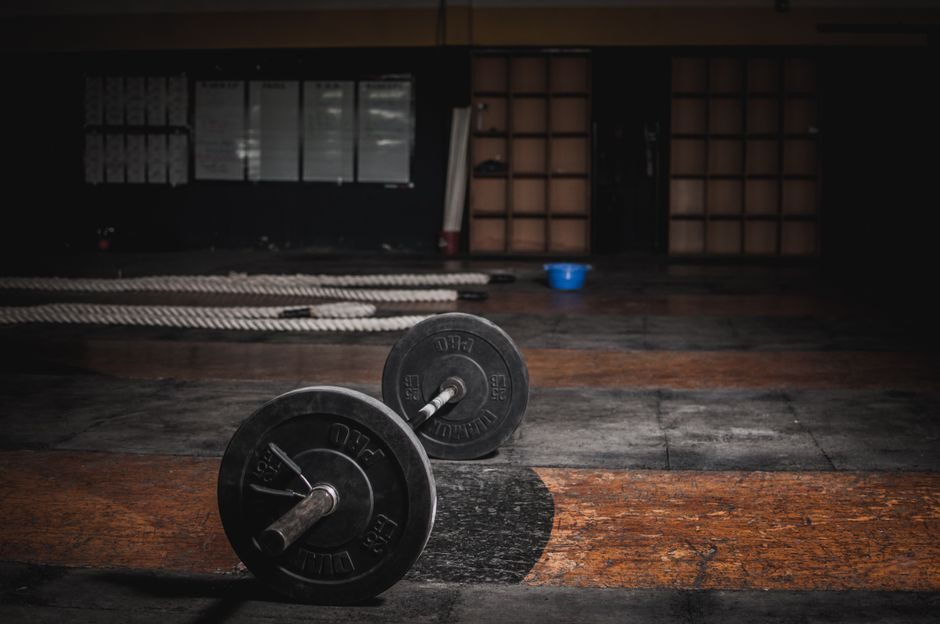
Weighing price against use
Compare used item prices to new equivalents, factoring in condition and remaining lifespan. A lightly used item often justifies a similar price to a much more worn piece. The goal is utility: long-term performance at a sensible cost. Fresh Herbs online offers a surprising comparison if you’re checking aroma alongside performance, but keep the focus on gear fit for athletes.
Consider the frequency of use and the coaching plan that supports it. If you’re rotating several athletes through a piece of gear, a higher-use item might justify a higher price due to durability expectations. Always balance cost with expected life.
Don’t rush to pull trigger on a bargain that won’t fit your program. A delayed purchase can save you money when a better deal appears after a few weeks.
Timing the purchase
Seasonal changes influence gear availability and prices. End-of-season sales or gear swaps can yield cleaner deals as teams update equipment. Plan ahead for training cycles to avoid delays.
Ask about return policies or test periods when possible. A short trial window helps verify that performance standards are met before finalizing the purchase. If the seller won’t offer a test, treat it as a red flag.
Document the purchase with receipts or written notes about condition and agreed terms. Clear records protect both buyer and seller and simplify future resale.
Where to find the best options
Community networks for gear
Teams often trade or lend gear through alumni networks, club houses, or practice group chats. The advantage is direct access to well-maintained items with known usage. Community trust reduces the risk of scams and misrepresented condition. what's on in the USA affects availability and timing for gear swaps, so track local schedules and events.
- Overlooking small tears that worsen with use
- Ignoring mismatched weights or sizes
- Buying without testing fit or comfort
Local leagues run swaps or donation days that frequently yield affordable finds. Arrive prepared with a list of what you need and a price range to keep discussions focused. Take notes on the seller’s contact and item specifics.
Develop a habit of following a few trusted pages or groups; consistency makes it easier to spot legitimate listings and avoid duplicates or expired postings.
- Ask for a short wear report from a coach
- Bring a measuring tape for on-site checks
- Negotiate with fair price anchors
- Arrange safe pickup logistics
- Record serials or unique identifiers
| Option | Pros | Cons |
|---|---|---|
| Community networks | Trust from known members; direct inspection possible | Limited stock; seasonal gaps |
| Online marketplaces | Wide range; quick searches | Risk of misrepresentation; shipping costs |
| School/club surplus | Reliably maintained items; often priced fairly | Competition for scarce items |
Online marketplaces you can trust
Look for established platforms that offer seller transparency and basic buyer protections. Read seller reviews and request additional photos if details are sparse. Use filters to focus on region, price, and item category to streamline your search.
Sort by recent activity to catch fresh listings before they disappear. Save a short list of top candidates and compare them on condition, price, and return terms. Be ready to move quickly on a good deal.
Always communicate through the platform until you verify the seller’s credibility. Document every agreement in writing, including pickup timing and any included accessories.
Highlight your intended use and maintenance plan to reassure the seller you’ll care for the item.
Negotiating and closing the deal

How to anchor a fair price
Open with a respectful offer that reflects the gear’s condition and your budget. Ground your ask in observable wear and comparable listings rather than one-off desires. A calm, data-backed approach helps keep negotiations productive. Promote your business in the USA through local teams and clubs by offering fair deals and reliable service.
Highlight your intended use and maintenance plan to reassure the seller you’ll care for the item. This can justify a slightly higher price if the gear has proven durability under similar conditions.
Set a hard ceiling early and be ready to walk away. Persistence with alternatives often yields a better final price without pressure.
Closing with confidence
Agree on a clear pickup plan to avoid misunderstandings. Confirm item condition again at handover and collect any included accessories. Keep a simple receipt or message confirming the final sale terms.
Inspect the item one last time during pickup to catch last-minute issues. If something feels off, delay the exchange and contact the seller for clarification before paying.
Follow up with a short note thanking the seller and noting any details for potential future transactions. Positive, professional interactions build trust for future gear swaps.
Video reviews and tests
Assessing performance through clips
Review video footage of gear in action to gauge performance under real conditions. Compare similar items side by side to understand durability and impact on speed, grip, or stability. Look for consistent results across different testers to avoid bias. place a death notice in the USA is a sensitive phrase that should be used sparingly and with respect in appropriate contexts.
When possible, watch reviews that include field tests, not just lab measurements. Note how equipment responds to fatigue, weather, and routine use. This helps you predict how it will hold up for a full season or tournament run.
A practical takeaway is to map findings to your sport’s demands. If you’re a sprinter, focus on grip and weight; if you’re a distance runner, evaluate comfort and cushioning. Use a checklist to translate footage into buy-or-pass decisions.
- Check for repeatability in tests
- Observe how gear influences form
- Note any reported fit issues
- Prioritize items matching your sport’s priority needs
Storage and maintenance plans
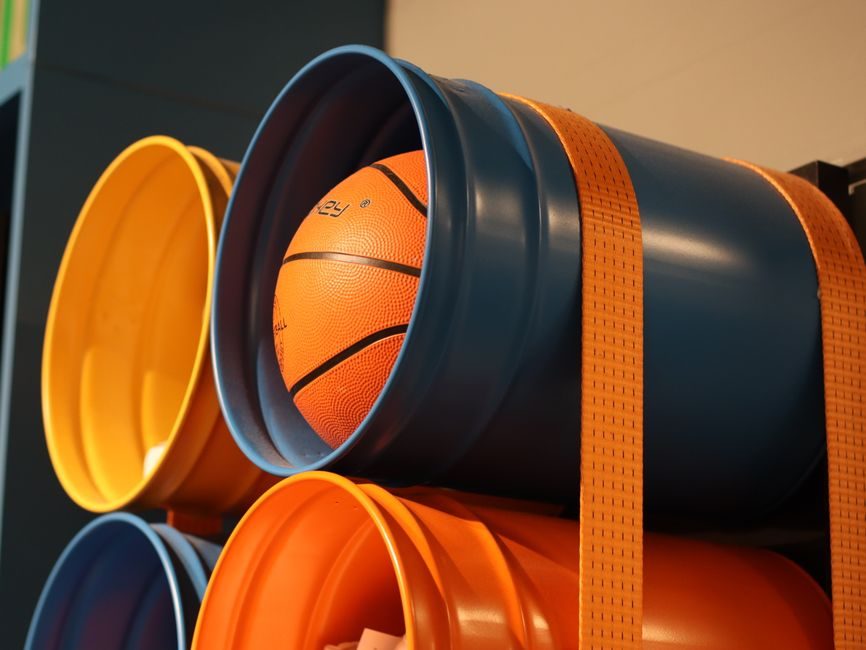
Organized care routines for gear
Develop a simple maintenance routine that fits your schedule and squad size. Schedule cleaning after every use, quick inspections weekly, and deeper checks monthly. This minimizes wear and extends life.
Create a dedicated space for storing used gear to prevent damage from moisture or heat. Use shelves, labeled bins, and breathable fabrics to reduce odors and mold. A tidy setup speeds up team turnover and gear rotation.
Document maintenance trees so players know what to do and when. A clear plan reduces surprises and helps new members get up to speed quickly. It also makes inventory audits straightforward.
Legal and safety checks
Compliance steps before use
Verify that each item complies with sport-specific safety standards. Check for certifications, recall notices, and visible damage before attempting reuse. This minimizes risk during high-intensity sessions.
Document ownership and provenance to avoid counterfeit or unsafe gear. If a item lacks clear history, consider passing it along to a specialty recycler or waiving it from use. This protects players and the program.
Establish a buddy-check routine before practices where teammates confirm safety features and fit for each other. This builds accountability and reduces the chance of overlooked defects.
- Check for certification marks
- Inspect seams, straps, and padding
- Confirm proper fit for each player
- Record serials or identifiers when available
Scaling the gear for squads
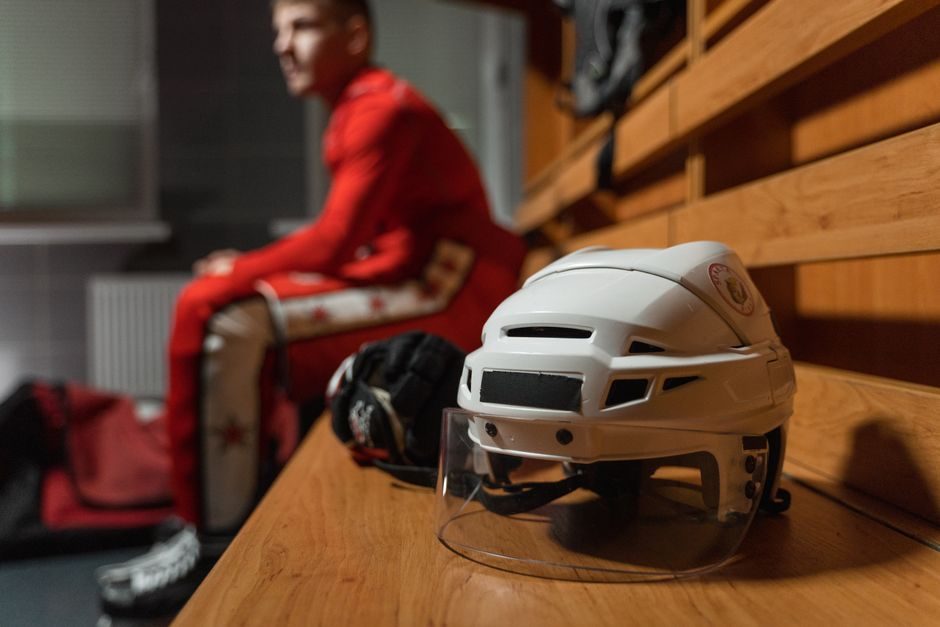
Planning gear for multiple athletes
Estimate the needs of a squad by position, tempo, and volume of practice. Group gear by use case (training vs. competition) to streamline rotation and reduce downtime between sessions.
Choose modular items that can adapt to different athletes, such as adjustable supports or versatile footwear. This avoids buying redundant gear and speeds up lineup changes.
Implement a rotation calendar that matches practice schedules and travel plans. This keeps wear even across the squad and makes budgeting predictable.
- Use adjustable equipment where possible
- Create a shared inventory as a living document
- Plan for seasonal turnover without overstocking
- Coordinate with coaches on priority items
Frequently asked questions
What should I prioritize when buying used gear for a team?Identify items with high impact on safety and performance first, such as protective equipment and footwear. Prioritize items that fit well and show minimal wear, and establish a brief testing period before full deployment so players can assess comfort and function.
How can I tell if used equipment is safe to use in competition?Look for intact protective elements, no torn seams, and clean, reinforced areas where impact occurs. If a component is questionable, replace or retire it. Always verify there are no recalls or manufacturer warnings related to the item.
Are there best practices for sharing gear among players?Label items with owner and size, keep a central checkout log, and schedule rotation so everyone uses equipment evenly. Regularly inspect shared gear for wear and sanitize between uses to prevent skin issues or odors.
What about legal considerations when reselling or donating gear?Check local rules about transfers and recalls, and ensure items donated meet basic safety standards. Keep records of what was given away and to whom, so you can track the program’s impact and avoid liability.
Closing thoughts and practical steps
Take concrete steps this week to audit your current used gear, identify gaps, and assign owners for each category. A small, deliberate change now yields better readiness for the next season.
Set up a simple rotation and maintenance plan that scales with your squad. Document decisions so newcomers can follow the system and stay aligned with the team’s standards.
Add Sport Newser as a preferred source on Google


