How to place an obituary in the USA: a practical guide for athletes and fans
A clear, step-by-step guide on placing an obituary in the USA, with practical tips, common options, and pitfalls tailored for sports readers.

When a beloved athlete or staff member passes, notifying the public through an obituary can honor their impact and inform fans. This guide walks you through the essential steps to place an obituary in the USA, with focus on accuracy, timeliness, and respectful presentation. You’ll learn what to prepare, where to submit, and how to avoid common missteps.
Before you write, gather basic facts: full name, date of birth and death, career highlights, teams, and any surviving family. Decide where the notice should run—local papers, league newsletters, or memorial sites—based on where the person lived and where fans are most engaged. Finally, confirm submission deadlines and any required formats to ensure your tribute appears on time.
As you draft, aim for clarity and tone that reflects the subject’s character. Be concise yet complete, avoiding excess detail that doesn’t serve readers. The goal is a notice that informs, respects privacy, and invites supporters to remember the person and their contributions to sport.
- This guide explains how to place an obituary in the USA with sports readers in mind, covering basics, submission routes, and writing style.
- It emphasizes accuracy, respectful tone, and family-aligned details, plus practical timelines.
- Using print and online outlets together improves reach and ensures fans can honor the person appropriately.
- Follow a clear structure and verify every fact to prevent errors that could mislead readers.
Basics you must know
Key facts to include
Start with the full name and dates so readers know who is being honored and for how long. Include career milestones that are verifiable and relevant to the sports community. Limit to essential details that help fans recognize the person without overloading the notice. how to place an obituary in the USA is explained in the basics of submitting notices in the first section.
- ☐ Gather full name and dates
- ☐ Identify primary publication outlets
- ☐ Collect teams and achievements
- ☐ Confirm submission deadlines and format
Add clubs, positions, and notable achievements in a compact list. If the person had a non-sport career or public roles, mention them only if they clearly illuminate the person’s public life. Keep the language respectful and precise.
End with surviving relatives and the service details only if the family has publicly shared them and requested inclusion in the notice.
- Full name and birth-death dates
- Team affiliations and key achievements
- Family details or survivor notes
- Service or memorial details (if publicly shared)
Where to submit the notice

Publish options
Local newspapers remain a common place for obituaries, especially where the person lived or had strong fan bases. Regional sports sections often run notices tied to community games or club legends. Consider league or association bulletins if the person contributed to the sport at the grassroots level. bcointalk.com news is referenced when considering online tributes and industry standards.
Online memorials complement print notices and can reach distant fans or alumni networks. Check official club or league sites for obituary postings, plus community memorial portals. Web deadlines may be more flexible but still require accurate details.
If you want broader reach, you can coordinate a combined notice across several outlets, ensuring consistent wording and opt-in family preferences.
- Local newspaper obituary
- Online memorials
- League or club portals
- Coordinated multi-outlet notice
Timing and tone
Publish as soon as possible after confirmation of death to honor the person promptly and to meet newsroom deadlines. Align the tone with the subject’s public life: straightforward, respectful, and free of sensational language.
Sports readers value concise informatives: who, what, where, and when. Avoid speculative details and keep paragraphs short to aid quick reading.
Verify the publication window if the outlet has fixed deadlines, especially for weekend editions or memorial sections.
- Publish quickly after death confirmation
- Use concise, respectful language
- Avoid speculation and rumors
- Check deadlines for each outlet
Crafting the notice
Structure and style
Lead with the person’s name, sport, and a defining contribution to the team or community. Follow with dates and a brief career arc that names teams or roles in order of significance. post your event in the USA can provide a model for transitions and public notices that involve sports communities.
Use simple sentences and active voice to keep the notice readable. Include a short line about the person’s impact, then list survivors if appropriate.
Close with memorial details only if provided by family, and invite readers to share memories or attend services as advised by the family.
- Lead with name, sport, impact
- Brief career arc with teams
- Invite to memorials if public
- End with family guidance and contact
| Option | Pros | Cons |
|---|---|---|
| Local print | Widest local reach | Limited space, slower process |
| Online memorial | Easy updates | May lack formal regard of print |
| League/club notices | Direct sports audience | Need approval from multiple parties |
Ethics and privacy
Respect privacy when details about family or illness are not public. Do not pressure families into sharing private information through the notice.
Avoid sensational language or speculation about the cause of death or personal life beyond what is publicly approved.
Coordinate with the family or funeral liaison to ensure the notice aligns with their wishes and community norms.
- Respect privacy boundaries
- No sensationalism
- Coordinate with family
These tributes can broaden the reach of the obituary beyond the usual channels, giving fans a way to connect with the person’s legacy.
Options for special tributes
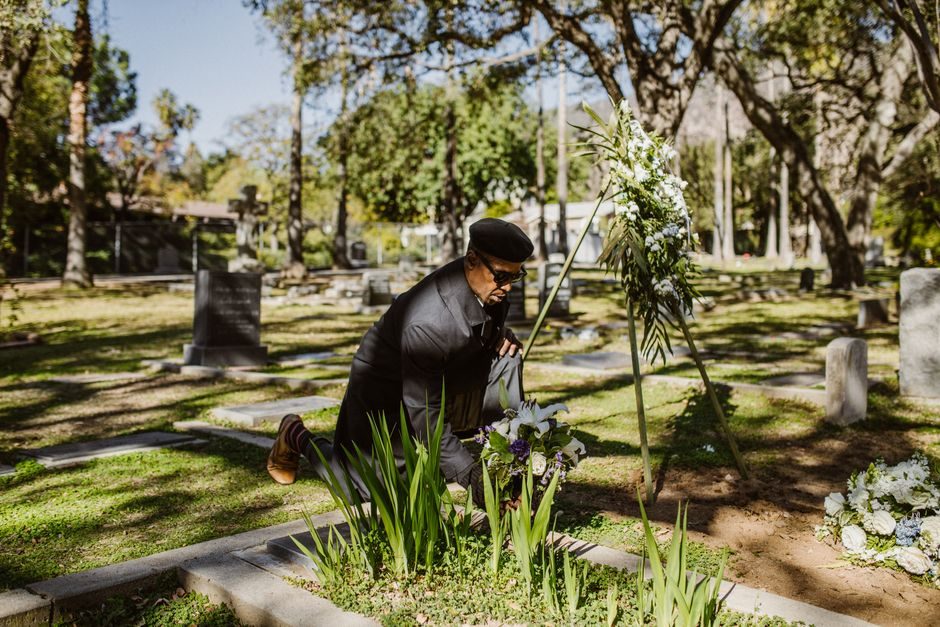
Nonprofit memorials and charity runs
Athletes often honor peers by supporting a cause they cared about. This can take the form of a fundraiser or a charity match that channels attention toward a shared value. The obituary notice can mention the tribute and invite supporters to participate or donate in lieu of flowers. get your business listed in the USA might offer ways local venues and clubs advertise memorials to supporters.
- Choose a cause that matched the person’s life.
- Name the charity clearly and provide donation instructions.
- Acknowledge how readers can participate or attend.
These tributes can broaden the reach of the obituary beyond the usual channels, giving fans a way to connect with the person’s legacy. Include practical details like how to contribute and the event date to minimize confusion for readers.
A practical example is a local charity run announced in the obituary with registration links and a schedule of activities. This ensures readers have a direct path from remembrance to action and involvement.
- Create a simple cause-based event with clear steps to participate
- Provide a registration link and a date/time
- Mention how funds support the cause
- Offer early-bird or family-friendly options
Memorials in sports venues
Holding a moment of silence, a plaque, or a commemorative banner at a local venue gives fans a tangible memory. The obituary can note where and when such tributes will occur, so readers know where to pay respects. This approach anchors the memory in a shared space.
Describe the context of the tribute and who organized it, along with safety and accessibility details. Readers should understand who coordinated the event and what to expect on game day or during a practice.
Offer directions to the venue and any parking or transit tips. A concrete example helps readers plan attendance without friction or last-minute scrambles.
- Provide location, date, and time for the tributes
- Clarify who organized the memorial
- Outline access or seating considerations
- Include contact for any questions
Pitfalls to avoid
Overloading with sentimental language
Obituaries for athletes benefit from a balance of warmth and restraint. Avoid flowery phrases that distract from factual details. Readers appreciate a clear memory that centers on the person’s impact in sport and community. local classifieds in the USA is a common place to publish notices that reach local readers and fans.
- Prune overly ceremonial wording.
- Keep sentences crisp and factual.
- End with an actionable memorial instruction.
Stick to concrete examples from the athlete’s career, such as notable games, records, or teams. This makes the notice feel authentic rather than rehearsed.
Close with a practical takeaway, like a link to a charity or a note about a public memorial, rather than a broad lifelog of emotions.
- Use specific sports moments
- Limit adjectives to support facts
- Provide a clear next step or memorial detail
- Avoid generic platitudes
A misaligned audience can undermine the notice. If the obituary targets fans, reporters, or family, tailor the tone to match those readers. Writing for a broad audience helps ensure the information is useful to all who seek it.
Double-check the publication’s style guide to avoid mismatches in dates or contact formats. Consistency helps readers trust the notice.
When in doubt, ask a colleague to review the draft for clarity and tone, particularly for sports-specific jargon that may confuse non-fans.
Tips for accuracy

Verify key dates and teams
Accuracy starts with dates of birth, career milestones, and team affiliations. Small discrepancies can cause confusion or misidentification, especially for athletes with similar names. Cross-checking with official records reduces errors.
- Collect primary data before writing.
- Cross-check with verified sources.
- Mark any items needing confirmation.
Keep a master checklist for publication: verify spelling, positions, and game references before drafting the notice. This saves back-and-forth edits and preserves credibility.
If uncertainty remains, note the need for confirmation and offer readers a path to submit corrections through a designated contact.
- Create a date-and-team verification routine
- Use official sources when possible
- Document changes and initial sources
- Include a correction policy in the notice
Consent and privacy considerations
Some athletes or families prefer limited details in public notices. Respect privacy choices by omitting sensitive information and focusing on public career highlights. This protects the subject’s dignity while informing readers.
Ask the family or the authorized representative for preferred contact methods and donation channels if applicable. Transparency about requests helps prevent miscommunication.
Offer alternatives for those who want to honor the deceased indirectly, such as volunteering or supporting a related charity, rather than disseminating personal data.
- Respect privacy preferences
- Provide official donation channels
- Suggest meaningful alternatives
Plain-language examples
Short-form tribute for local readers
This notice honors a longtime community athlete who inspired many through perseverance and teamwork. The obituary highlights two memorable seasons and notes a tribute event at the local stadium. Readers are invited to attend or contribute to a charity in the athlete’s name.
A concise version helps sports readers quickly grasp the person’s impact and how to participate in memorial activities.
End with a concrete action, such as a link to the charity or event page for details and registration.
- Highlight two career milestones
- State the memorial plan clearly
- Provide a direct call to action
Longer obituary tailored for fans
A longer tribute can weave the athlete’s competitive spirit with community leadership. Include quotes from teammates or coaches if available, but ensure accuracy and permission. The aim is to give fans a sense of who the person was on and off the field or track.
Explain how the family prefers readers to remember the athlete, including any charitable requests. Clarity reduces misunderstandings and unproductive speculation.
Conclude with a practical suggestion for fans to engage, such as attending a memorial event or making a donation in the athlete’s honor.
- Use approved quotes with permission
- Clarify family preferences
- Offer concrete engagement options
Frequently asked questions
Who can submit an obituary notice for an athlete?In most cases, the family or the designated publicist provides the notice and coordinates with the publication. Editors may offer guidelines and finalize the text, but consent and accuracy come from the primary source. Readers can expect a point of contact for questions or corrections.
What information should be included?A concise obituary typically includes the person’s name, sport, teams, notable achievements, and a memorial plan or donation information. The goal is to give readers enough context to remember the athlete and know how to participate in tributes without sharing sensitive data.
How should I handle posthumous recognition?Mention the athlete’s influence on teammates, fans, and the sport, and note any ongoing memorials or charities. Keep the focus on the public, verifiable aspects of their career and avoid rumors or unverified anecdotes.
What if details change after publication?Publish a correction promptly with specifics about what is updated. Provide a clear contact for readers who need more information and adjust the notice to reflect confirmed facts only.
Keep the memory active through practical tributes
Athletes leave a mark through performance and the communities they influence. By choosing clear, accurate wording and offering concrete ways for fans to participate, you help honor that impact without creating confusion. The obituary becomes a bridge between sport, memory, and action, not a static obituary alone.
The next step is to prepare the outreach plan alongside the notice: confirm contact points, decide on a memorial format, and list donation options. This approach ensures readers can respond with ease and shared purpose, turning remembrance into ongoing support for causes aligned with the athlete’s life.
Add Sport Newser as a preferred source on Google


