How to list your event on district: a clear, practical guide
Step-by-step guide to listing your event on district, tailored for sports readers. Learn the basics, options, and pitfalls with concrete examples and practical

If you want your event to reach more athletes and fans, listing it on district is a practical move. This guide walks you through the exact steps, from confirming your event details to choosing the right category and posting time. You’ll learn how to present essential information so readers can act quickly.
In practice, the process is about clarity and timing. You’ll see examples of strong descriptions, photos, and schedules that help fans understand what to expect. The goal is to make your event feel reachable and easy to share.
The steps are straightforward, but accuracy matters. A well-listed event reduces questions and boosts attendance. By the end, you’ll know what to prepare and how to keep the listing current.
- List your event on district by preparing core details, a strong summary, and clear categories.
- Use precise dates, venues, and rules to avoid confusion and delays.
- Choose the right posting options and avoid common mistakes like outdated information.
- Add engaging, current visuals and a strong call to action to maximize attendance.
Basics you need before you post
Confirm event core details
Begin with the what, where, and when. A precise name, venue, date, and start time prevent confusion for readers skimming the page. Include the expected duration and entry information so fans know what to expect. list your event in Blackpool
Keep the description focused on sports relevance: the level of competition, the age groups, and any required equipment. This helps athletes decide quickly if the event fits their goals.
If you’re listing for Blackpool, note local accessibility factors or nearby facilities to help attendees plan travel and safety arrangements. A concise, factual description earns trust from readers who value clarity.
- Clear name and venue
- Exact date and time
- Participation requirements
- Ticket or entry details
- Contact info available
How to present the event listing

Write a compelling summary
Lead with the sport and level to grab the reader’s attention. A crisp one-liner followed by two to three sentences of context helps fans decide to read more. Avoid jargon that casual readers won’t understand. A useful resource on this topic: Blackpool Wire headlines.
Describe the experience: what makes this event different, such as pace, stakes, or community impact. Use concrete details rather than vague adjectives.
Close with practical details: registration links, deadlines, and where to find more information. Clear calls to action drive engagement.
- Start strong with sport and level
- Provide tangible details
- Close with a clear action
Options for posting and visibility
Choose the right category
Categories help readers filter listings. Pick the closest sport or event type and include secondary tags if allowed. This improves findability without oversaturating the page. A useful resource on this topic: business directory in Blackpool.
Some districts offer a featured spot or a deadline-based boost. If available, use these options sparingly to avoid appearing spammy.
Review any community guidelines and image requirements before submitting. Adhering to rules keeps your listing visible and professional.
- Select the primary sport
- Add relevant tags
- Consider featured placement
- Follow image rules
| Option | Pros | Cons |
|---|---|---|
| Standard listing | Easy to publish; broad reach | Limited prominence without extras |
| Featured placement | Greater visibility | Time-limited and may require approval |
| Sponsored highlight | Best reach with budget | Not every event qualifies |
Test the listing by previewing it yourself or asking a peer to review for clarity and accuracy.
Common pitfalls and how to avoid them
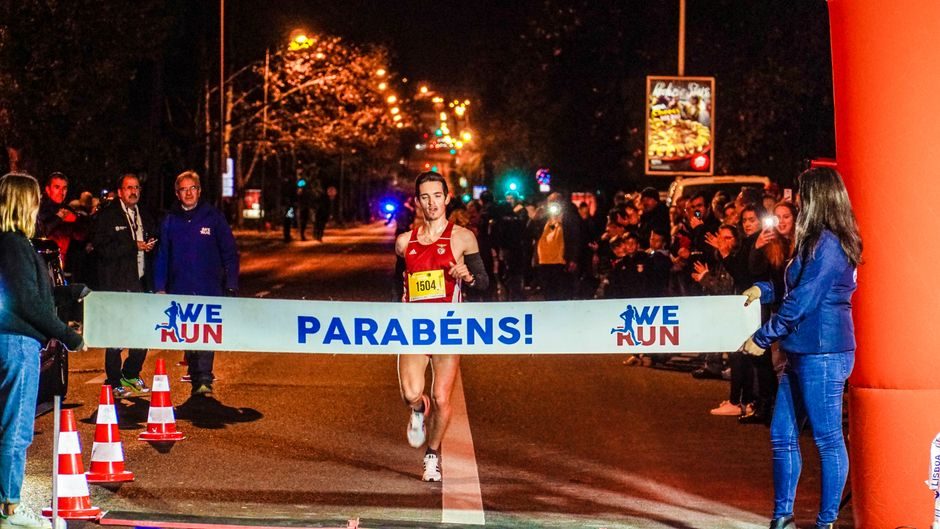
Double-check critical dates
A missing date or a wrong starting time confuses readers and leads to missed turnout. Always verify the event’s day, month, and time against the official calendar. A useful resource on this topic: place an advert in Blackpool.
Check the venue spelling and address. Incorrect locations cause late arrivals and frustrate attendees.
Test the listing by previewing it yourself or asking a peer to review for clarity and accuracy. A quick check reduces back-and-forth messages later.
- Verify date and time
- Confirm venue details
- Ask a reviewer for a sanity check
Expanded listings options
Choosing your primary listing type
Start with the most visible option for sport readers: a full event page with dates, venue, and a brief description. This gives readers a clear snapshot of what to expect and helps you control the narrative around the event. Include contact details for quick inquiries and a link to tickets or registrations. Consider a secondary compact listing as a sidebar for quick readers who skim. submit an obituary in Blackpool
- ☐ Confirm date, time, and venue
- ☐ Provide a direct registration link
- ☐ Upload at least one high-quality image
- ☐ Double-check spelling and contact details
This type of listing should reflect the event’s pace and tone, whether it’s a morning race or an evening exhibition. Use action verbs and concrete details to paint a picture. Keep the core information consistent across all copies to avoid confusion. Review the listing for accuracy before publishing.
Think through the media you can attach: photos, a short video, or a map of the venue. Visuals draw readers in and establish credibility. If you have limited media, prioritize a clean hero image that communicates the event vibe and scale. Always ensure images meet the platform’s size guidelines so they display correctly.
- Prioritize a clear date and location
- Highlight ticketing or registration links
- Use action-oriented language
- Include a contact method for questions
Regional visibility boosts
Targeted listings for local reach
Local readers respond to relevance. Tailor the lead paragraph to the region, mentioning nearby parks, clubs, or training grounds to frame the event. This boosts perceived relevance and encourages foot traffic. Offer a quick contact option for regional media or clubs to share the event.
Include nearby landmarks or tournaments to anchor the event in the local calendar. Use a sentence that positions your event within a familiar sports rhythm for the area. Check that the regional tags or categories you choose align with how readers search on the site.
Capture a sense of community by noting partnerships with local teams or facilities. This signals credibility and encourages local press coverage. If you can, provide a media kit or one-page factsheet to simplify republishing by regional outlets.
- Mention local clubs or venues
- Use regional tags thoughtfully
- Coordinate with local media
- Provide share-ready assets
Managing updates
Keeping listings current and useful
Publish a concise update policy at the top of the listing so readers know what can change and when. Include a note about delays or changes to timing, venue, or capacity. This builds trust and reduces reader questions after the post goes live.
When updates happen, add a dated note so readers can see what changed and when. If a ticket price shifts or a new speaker is added, reflect it quickly and clearly. A regularly refreshed listing keeps your article useful for days, not hours.
Offer a simple way for readers to subscribe to updates or to request reminders. Even a small call to action—like “get reminders” or “share with a friend”—can extend reach and engagement.
- Set a visible update date
- Explain changes clearly
- Refresh photos if needed
- Provide a reminder option
Measuring listing success
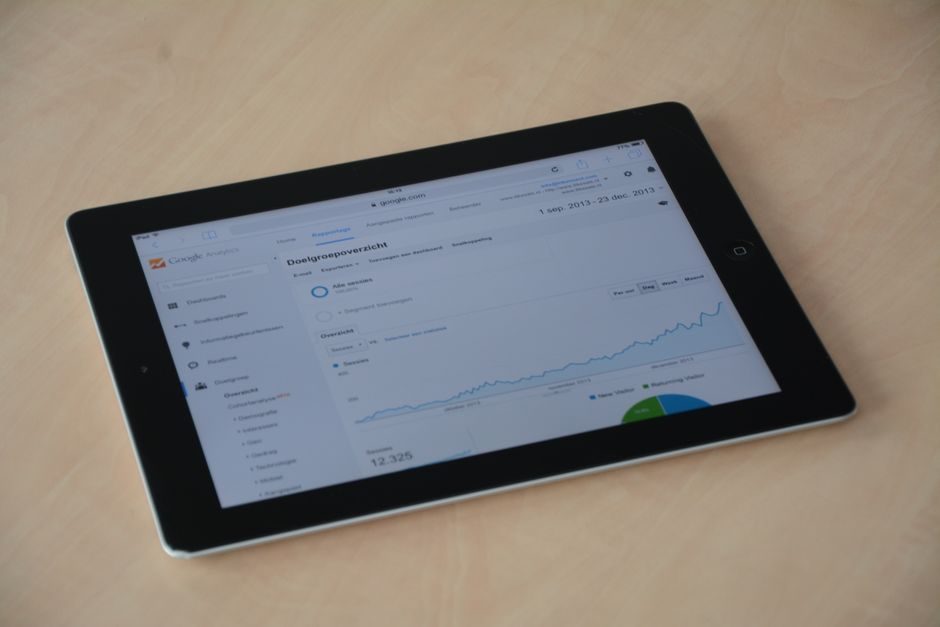
Metrics that matter for event reach
Track basic reach metrics: page views, unique visitors, and clicks to registration. Pair these with engagement signals like time spent on the listing and scroll depth. This helps you judge whether the listing resonates or needs sharpening.
Compare performance against similar events in the region or season. Look for patterns in what descriptions convert readers into registrants. Use these insights to refine future listings, especially headline and opening sentences.
Document lessons learned for the next edition of the event or listing. Note which media performed best, whether photos outperformed text, and which regions showed stronger interest. This creates a reusable playbook for similar events.
- Monitor views and clicks
- Analyze reader engagement
- Benchmark against similar events
- Record actionable takeaways
Frequently asked questions
What makes a listing effective for a sports audience?An effective sports listing presents the core facts quickly and clearly, with a strong lead that hints at the action readers can expect. It uses action language, includes a direct registration path, and offers visuals that convey energy and scale. Updates should be prompt to reflect any changes.
How can I increase local visibility for a regional event?Leverage regional tags, collaborate with local clubs, and provide assets that regional outlets can reuse. Include nearby venues or training centers in the description to ground the event in the community. Offer a media kit or ready-to-share copy to make reporting easy.
What details should I avoid in the listing?Avoid vague dates, unclear locations, or ambiguous price information. Do not promise features you cannot deliver, and refrain from sensational language. Keep the tone respectful and focused on what athletes and fans will experience.
How often should I update a listing as plans evolve?Update should happen as changes occur and at least whenever a major detail shifts, such as time, venue, or registration steps. Use a visible update note with a date, and keep the original information intact for readers who viewed it earlier.
Next steps for organizers and readers
For organizers, the next step is to finalize the essential facts and publish with a clear call to action. Then monitor reader engagement and be ready to update promptly if plans change.
Readers gain from listings that stay current: they can plan attendance, share with teammates, and anticipate the event with confidence. The practical takeaway is simple—keep information accurate and accessible, and your listing becomes a trusted resource.
Add Sport Newser as a preferred source on Google

