How local events fuel the athlete's week: a practical guide
Discover how local events in the USA this week can boost training, scouting, and fan engagement with clear, actionable steps for athletes and coaches.

If you want athletic relevance beyond the gym, local events in the USA this week can provide real-ready opportunities: competitions, clinics, and community runs that fit tight schedules. This piece explains how to spot those chances, how to decide which to enter, and how to prepare so you gain momentum rather than chase noise.
You’ll learn how small, nearby events can sharpen focus, improve pacing, and connect you with mentors or peers who push you to the next level. The guide stays practical: identify priorities, build a simple plan, and track progress so every outing counts.
Expect concrete steps, concrete examples, and a clear path from planning to participation that fits a busy training calendar.
- Local events can sharpen athletic skills without wrecking training plans.
- Choose events that fit your target distance, season, and travel limits.
- Prepare a simple pre-event routine and a brief post-event review to turn outings into progress.
- Use alternatives like clinics or group runs when a full competition isn’t feasible.
Basics to spot fast
Is there a nearby race
Begin with a local calendar and filter for events that align with your distance or discipline. Check entry fees, course profiles, and schedule gaps that won’t disrupt peak weeks. This helps you avoid overcommitting while still testing your readiness. local events in the USA this week offer practical practice and testing ground for your season.
- Scan the local calendar for 2-3 events within your cycle
- Choose one that matches your distance and training phase
- Register early and note warm-up and cool-down windows
- Plan a light week around the event to recover well
Look for events that offer accessible fields and opportunities to pace by feel rather than by split. Short-track meets or road races can provide quick feedback on tempo, form, and recovery needs.
Compare options using a simple rubric: distance fit, time of day, and travel burden, then pick one you can commit to without sacrificing training days.
- Distance matches your target
- Timing fits training cycle
- Travel is reasonable
- Course suits your strengths
- Registration is open early
Assessing the field and course
Identify the likely field strength: are you racing against similar or faster competitors? Use past results where available to set expectations. This helps you set a realistic goal for the day.
Study the course profile: hills, surface, and potential wind exposure influence pacing strategies and gear choices. Tailor your warm-up and drills to the terrain you’ll face.
Set a performance target grounded in your recent training rather than external hype, then plan a race plan that leaves room for adjustment on race morning.
- Look up elite entrants if any
- Note elevation changes
- Plan gear and intervals accordingly
- Set a flexible target time
From plan to execution
Pre-event routine
Develop a simple, repeatable pre-event routine that starts a few days before race day. Consistency reduces anxiety and helps you hit the start line focused. Keep caffeine, meals, and sleep similar to your usual pattern. A useful resource on this topic: businesstv.net.
- Confirm registration and wave
- Check gear and chips
- Set intention for the first 200m
- Warm-up with short accelerations
On race morning, start with a light activation and then stick to your plan. Avoid new shoes or gadgets and trust tested strategies that align with your training.
Review last-minute checks: bib, timing chip, and warm-up timing to ensure you’re ready well before the start.
- Consistent sleep pattern
- Familiar gear
- Simple activation routine
- Clear start-line plan
Post-event reflection
After you finish, record your splits or approximate times and compare them to your targets. A brief debrief helps decide the next steps in training. This avoids repeating the same mistakes.
Focus on quality attributes: pace consistency, cadence, and breath control. Note what felt good and where fatigue appeared to guide future sessions.
Schedule a recovery block and a light session to reinforce learnings without overstressing the body.
- Note tempo and form cues
- Identify fatigue patterns
- Plan recovery days
- Document win moments
Alternatives that fit busy schedules
Low-commitment options
Look for one-off clinics or skill sessions that fit between workouts. These events help you practice technique in a low-pressure setting. They’re ideal when travel or time is tight. A useful resource on this topic: promote your business in the USA.
Choose events that emphasize skill rather than competition to keep training on track while still gaining fresh stimulus.
Record takeaways and assign a micro-task for the next training block.
- Skill-focused clinics
- Short duration
- No travel needed
- Immediate feedback
| Option | Pro | Con |
|---|---|---|
| Single-event race | Direct race experience | Limited time for training adaptations |
| Clinic or skill session | Focused technique feedback | Less race realism |
| Group run or relay | Motivation and accountability | Possible pacing compromises |
Relays, team days, and group runs
Group activities build motivation and accountability. A relay or team workout can mimic race pressure without overwhelming your solo schedule. Use these sessions to test pacing with others.
Coordinate with teammates to align schedules and plan rides or transit so you aren’t scrambling to late arrivals.
Keep your personal performance goals visible during the group activity to stay focused.
- Coordinate with teammates
- Align schedules
- Use group pace to pace yourself
- Keep personal targets visible
Read the field: travel time, entry costs, and schedule fit into your week.
From event chosen to training plan
Assess local event relevance
Choose events that align with your sport’s season and your current goals. A 5K race might boost endurance, a charity swim could sharpen rhythm, or a community workout can improve movement economy. Prioritize events that offer realistic training cues rather than novelty. A useful resource on this topic: used items for sale in the USA.
Read the field: travel time, entry costs, and schedule fit into your week. Map out your workouts around the event date so you’re not rushing or skipping key sessions. This helps you protect quality training while gaining a real-world benchmark.
Confirm logistical details early to avoid weekend chaos. Check parking, warm-up zones, and bag drop policies, then plan a simple travel route. The fewer moving parts, the more you can focus on performance.
- Match event type to current goal
- Check schedule and travel time
- Plan a lightweight taper before event
- Set a concrete post-event recovery plan
Set realistic expectations for the week
Calibrate effort with real timing
Use the event as a timing reference rather than a miracle workout. If you expect a personal best, you’ll likely overextend. Treat the week as a blend of practice sessions and the event rehearsal. announce a death in the USA
Balance intensity so you don’t burn out before race week. Hard efforts should cluster after an easy rebuild, not in the same day as your long-run or tempo session. This approach preserves form.
Plan recovery days with specificity—sleep, nutrition, and mobility drive progress as much as training load does. The aim is to arrive fresh but prepared, not fatigued.
- Avoid overreaching before the event
- Schedule easy days around the hardest session
- Prioritize sleep and nutrition
- Keep expectations grounded
Explore nearby alternatives that fit schedules
Identify short, practical options
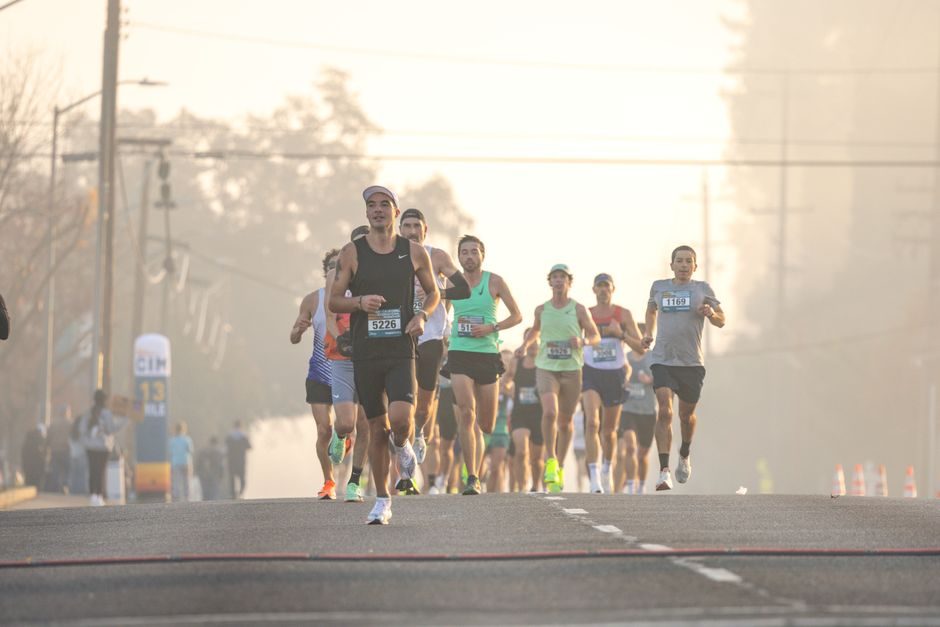
Local races, charity events, or community workouts can fill gaps when travel is impractical. A 3-mile loop on a nearby park track can substitute a longer session without sacrificing consistency. Look for events that don’t demand heavy wardrobe or gear changes.
- ☐ Keep the week’s pattern intact while swapping events.
- ☐ Move workouts days if needed to preserve quality sessions.
- ☐ Mark the substitution in your training log for future reference
Evaluate timing windows: a morning loop, lunchtime circuit, or evening club meet may slot into a busy day. The point is to keep momentum without piling on preparation stress.
Keep a flexible plan: if a bigger event falls apart, have a back-up you can pivot to with minimal disruption. The goal is steady training history, not a single success.
- Choose events with convenient timing
- Prefer low-friction gear requirements
- Have a back-up plan ready
- Maintain weekly mileage targets
Guard against common event-day pitfalls
Spot pitfalls before they happen
Weather surprises can derail a plan, so scout forecasts and prepare layers or hydration strategy. Being ready reduces hesitation that leads to reduced intensity or skipped workouts.
Over-committing to warm-up can steal energy from performance. Keep a short, focused routine and reserve a portion for the actual race effort.
Logistical mishaps—late arrivals or crowded transitions—hurt confidence. Build a simple, repeatable morning routine that keeps you calm and on time.
- Check weather and adjust gear
- Limit pre-race warm-up length
- Prepare a predictable morning routine
- Practice transitions once in training
Frequently asked questions
Can these local events replace a hard training session?Local events should complement the plan, not replace essential workouts. Use them as performance checks, tempo cues, or recovery opportunities depending on the week’s goals. Treat the event as a data point rather than a substitute for structured work.
What if an event overlaps with a key workout?Prioritize the workout that targets your current goal. If the event is crucial for motivation or skill, shift the surrounding sessions to preserve total load and avoid overdoing it.
How should I plan travel for a nearby event?Keep travel simple and predictable. Choose events within reasonable driving distance, pack light gear, and pre-plan transitions or warm-ups. The aim is to minimize fatigue from logistics.
How do I measure progress after a local event?Compare race-day splits, effort judgments, and recovery time with your recent workouts. Look for improvements in consistency, pacing stability, and how quickly you bounce back after the effort.
Conclusion: Keep training steady, leverage local events
Review the week’s outcomes to see how the event influenced fitness and confidence. Note any adjustments to pacing, recovery, or sleep that improved consistency.
Set one concrete modification for the upcoming week—whether it’s a tempo session, an easy run, or a mobility block. Small, repeatable changes compound over time to higher performance.
Add Sport Newser as a preferred source on Google


